The World Health Organisation has warned that additional hantavirus cases could emerge in the coming weeks following the evacuation of passengers from the outbreak-hit cruise ship MV Hondius, even as global health authorities maintain that the overall public health risk remains low.
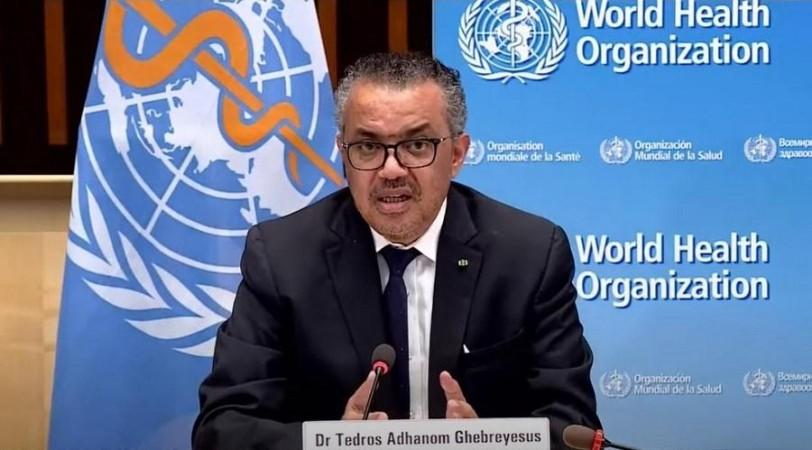
Speaking at a joint press conference in Madrid with Spanish Prime Minister Pedro Sanchez, WHO Director-General Tedros Adhanom Ghebreyesus said 11 hantavirus-related cases have so far been reported globally, including three deaths. Of these, nine cases have been confirmed as infections caused by the Andes strain of the virus, while two remain probable cases.
Tedros cautioned that because the virus has a long incubation period, more infections may still be detected in the coming weeks. WHO has recommended that all evacuated passengers undergo active health monitoring for 42 days from their last exposure date, until June 21. Anyone developing symptoms has been advised to isolate immediately and seek treatment.
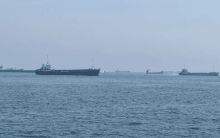
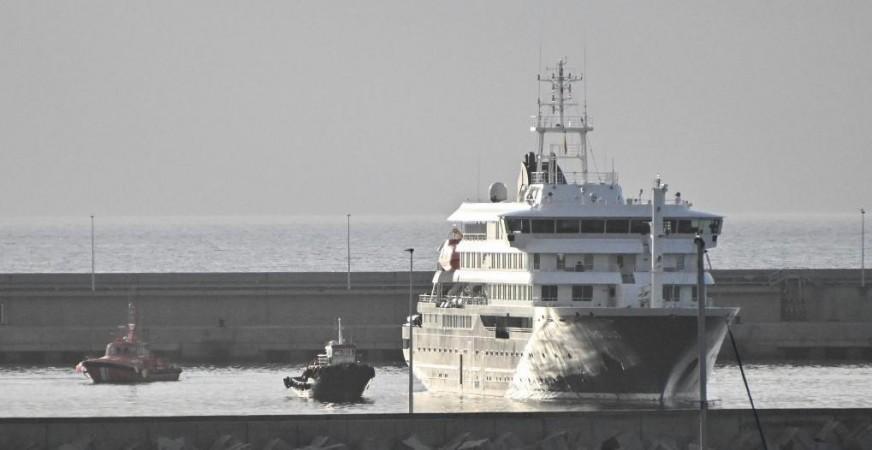
The outbreak was linked to the cruise ship MV Hondius, which departed from Ushuaia, Argentina, on April 1 and travelled across the South Atlantic. Spain agreed to receive the vessel after requests from the WHO, the European Union, and over 20 governments seeking assistance with evacuation and repatriation efforts.
The ship arrived near Tenerife on May 10 and docked at the Port of Granadilla the following day. During a tightly coordinated operation, more than 120 passengers and crew members of different nationalities were evacuated under strict health and protective protocols before being flown out of Spain on 10 special flights. Spanish authorities described the mission as a successful international cooperation effort guided by scientific rigor and transparency.
Meanwhile, South Africa has significantly expanded its contact-tracing efforts after confirming two Andes hantavirus cases linked to passengers from the cruise ship. South African Health Minister Aaron Motsoaledi said authorities have now identified 97 contacts, including exposed passengers, healthcare workers, and airline contacts. Of these, 90 people have already been reached and placed under six weeks of monitoring.
Among the confirmed cases in South Africa were a British national admitted to intensive care in Johannesburg and a Dutch woman who collapsed at OR Tambo International Airport and later died. Her husband, described as the outbreak's "patient zero," had earlier died aboard the cruise ship.
According to South Africa's National Institute for Communicable Diseases (NICD), the Andes strain is the only known hantavirus strain capable of human-to-human transmission, increasing concerns among global health authorities despite the WHO maintaining that there is currently no evidence of a wider international outbreak.
(With inputs from IANS)