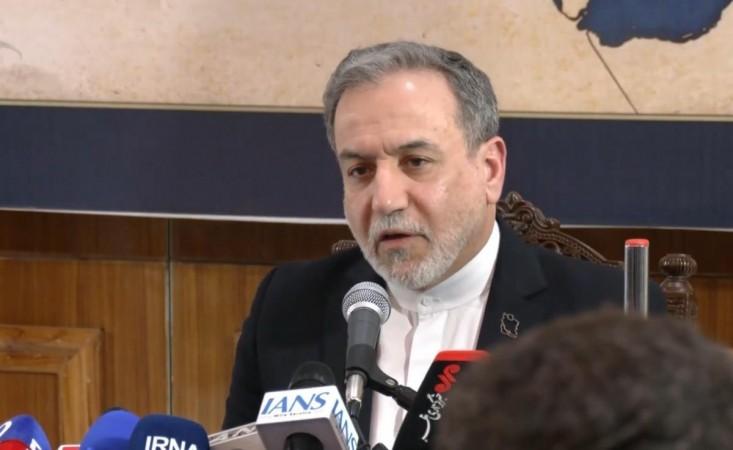
Iranian Foreign Minister Seyyed Abbas Araghchi on Friday said the Strait of Hormuz remains open to international shipping, except for vessels belonging to countries "at war with" Iran, amid escalating tensions in West Asia and concerns over disruptions to one of the world's most critical maritime trade routes.
Addressing a press conference in New Delhi during his visit for the 18th BRICS Foreign Ministers' Meeting, Araghchi described the situation in the Strait of Hormuz as "very complicated" but asserted that Iran remains committed to ensuring safe navigation through the strategic corridor.
"As much as our concern, Hormuz is open to all except those vessels of those countries who are in war with us," Araghchi said. "We are ready to help those who want to pass the strait."
He further stated that Iran would continue facilitating safe passage for ships and expressed hope that normalcy would return once hostilities in the region end.
"Once the aggression is ended, I am sure everything will go to normal," he said, adding, "We will arrange safe passage of all vessels."
The Iranian minister also underlined the strategic geography of the Strait of Hormuz, stating that the waterway lies between Iran and Oman and that "there are no international waters" in between.
During his India visit, Araghchi held bilateral talks with External Affairs Minister S. Jaishankar on the sidelines of the BRICS meeting. The discussions focused on regional developments, including the Strait of Hormuz crisis, and broader cooperation between India and Iran.
According to Araghchi, both countries share "close positions", "same concerns" and "same interests" regarding regional stability and maritime security. He said Tehran would continue coordinating with Indian counterparts to facilitate movement of ships through Hormuz.
Earlier on Thursday, Prime Minister Narendra Modi also met the Iranian foreign minister as part of diplomatic outreach efforts aimed at strengthening regional stability and multilateral cooperation amid continuing uncertainty across West Asia.
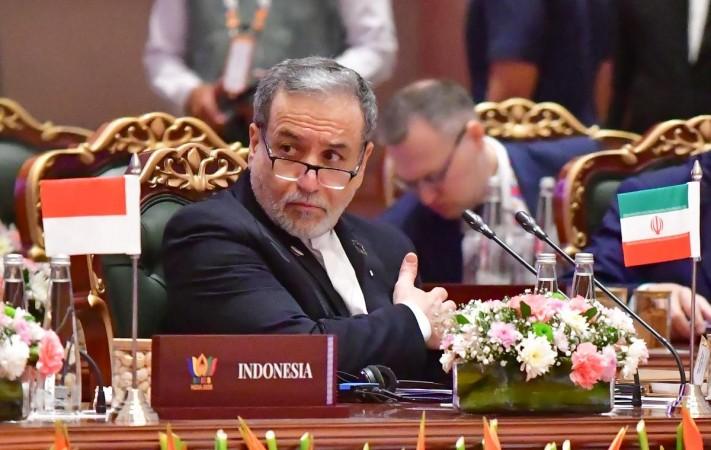
Araghchi also criticised the United States, saying Tehran has "no trust in Americans" and accusing Washington of offering negotiations only after failing to achieve its objectives through "aggression" against Iran.
"After 40 days of war, when the US became hopeless of achieving any goal in their aggression against Iran, they offered negotiation," he said. "We have every reason not to trust Americans, while they have no reason not to trust us."
The Strait of Hormuz is considered one of the world's most important shipping lanes, as a substantial share of global oil and gas supplies passes through it daily. Any disruption in the corridor can significantly impact international energy markets, oil prices and global trade flows.