India's strategic oil reserves and diversified energy imports from more than 40 countries have strengthened its ability to absorb global energy shocks, ensuring there is no immediate energy crisis despite disruptions caused by the ongoing Iran conflict, a senior government official said on Thursday.
The country also has strong macroeconomic fundamentals, including ample foreign exchange reserves sufficient to cover 11–12 months of imports. These reserves are also adequate to meet India's oil import bill for nearly five years.
Strategic stocks of crude oil and petroleum products can cover more than 70 days of domestic demand. Combined with diversified import sources, this has significantly reduced India's dependence on the Middle East, the official said.
India currently maintains about a 74-day reserve buffer and sources crude from over 40 countries, placing it ahead of many regional peers in managing the 2026 global energy shock.
The government has also adopted a multi-alignment strategy, including continued purchases of discounted Russian crude, invoking provisions under the Essential Commodities Act, and expanding supply sources without compromising strategic autonomy.
According to the official, the crisis is expected to affect economic growth more than inflation, allowing policymakers and the Reserve Bank of India (RBI) greater flexibility to maintain macroeconomic stability.
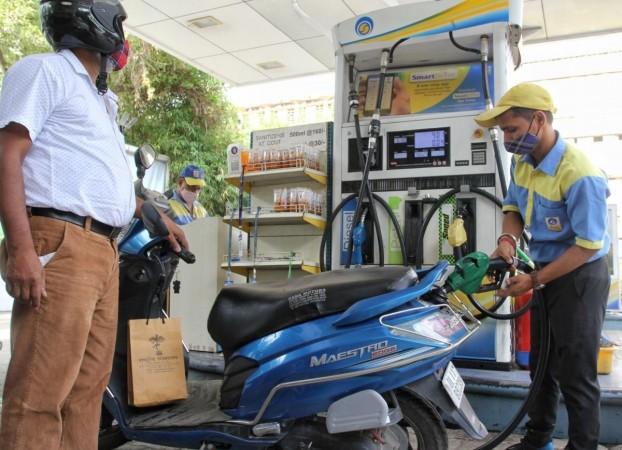
India's inflation rate, at around 2.75 per cent, remains among the lowest in major economies. Imports of discounted Russian crude, flexible fuel taxation, and regulated LPG pricing have helped keep domestic fuel prices relatively stable.
In contrast, several countries remain heavily dependent on supplies routed through the Strait of Hormuz. For instance, Japan relies on the route for 75–90 per cent of its crude imports. India has gradually reduced its dependence on the strait from around 50 per cent earlier to about 20 per cent through diversification.
Russia currently accounts for roughly one-third of India's crude imports despite Western pressure. Other major suppliers include Iraq, Saudi Arabia, the UAE and the United States, reflecting diversification rather than political alignment, the official added.
Neighbouring countries such as Pakistan, Bangladesh and Sri Lanka have oil reserves sufficient for only about 30 days or less. As a result, Pakistan has raised petrol and diesel prices by nearly Rs 55 per litre, Sri Lanka has increased fuel prices amid panic buying, and Bangladesh has introduced energy rationing.
Meanwhile, the government has approved Rs 30,000 crore as compensation to public sector oil marketing companies — Indian Oil, Bharat Petroleum and Hindustan Petroleum — for supplying LPG at subsidised prices during the financial year 2025–26.
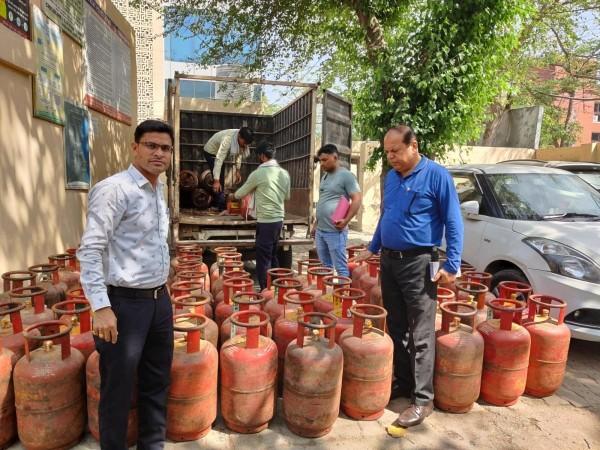
The retail price of a 14.2-kg domestic LPG cylinder currently stands at Rs 913 in Delhi. Under the Pradhan Mantri Ujjwala Yojana (PMUY), the government provides a targeted subsidy of Rs 300 per cylinder to eligible beneficiaries, reducing the effective price to Rs 613 in Delhi, Minister of State for Petroleum and Natural Gas Suresh Gopi said in a written reply in the Lok Sabha.
To boost domestic LPG availability, the government has directed refineries and petrochemical complexes to divert C3 and C4 streams towards LPG production and supply it exclusively to public sector oil companies under provisions of the Essential Commodities Act.
India has also established strategic petroleum reserve facilities with a capacity of 5.33 million metric tonnes through Indian Strategic Petroleum Reserve Limited (ISPRL) to help manage potential supply disruptions caused by the Iran conflict.
The minister added that petrol and diesel prices in India are market-determined, with public sector oil marketing companies taking pricing decisions. However, the government intervenes when necessary to adjust taxes and reduce the burden on consumers.
Central excise duty on petrol and diesel was reduced by Rs 13 per litre and Rs 16 per litre respectively in November 2021 and May 2022, with the benefit fully passed on to consumers. Oil marketing companies also cut retail fuel prices by Rs 2 per litre in March 2024.
Although excise duty was increased by Rs 2 per litre in April 2025, the hike was not passed on to consumers, the minister noted.
(With inputs from IANS)