The Baloch Liberation Army (BLA) has claimed responsibility for a series of coordinated attacks against Pakistani forces across multiple districts of Balochistan between April 15 and April 25, alleging that 42 military personnel were killed, several others injured, and one soldier captured during the period, according to local media reports on Monday.
In a statement issued by its spokesperson Jeeyand Baloch, the group said its fighters carried out improvised explosive device (IED) blasts, ambushes, raids and drone strikes targeting Pakistani security forces. It also claimed to have seized weapons and briefly taken control of several posts and facilities across different areas.
Detailing the timeline, the BLA said Pakistani forces were attacked in Kalat while attempting to defuse an explosive device. In Dalbandin, the group claimed it briefly captured police stations and rest houses, setting equipment and vehicles ablaze. On April 24, it alleged that its fighters took control of a site linked to a petroleum and gas company near Quetta, destroying machinery and vehicles. In Surab, an ambush following an IED attack reportedly caused significant casualties.
The statement further said multiple attacks were carried out on April 19 targeting convoys and checkpoints, leading to deaths and injuries among personnel. On April 18, clashes in the Shahrag area of Harnai allegedly resulted in one Pakistani soldier being captured, while a levee post in Jhal Magsi was also seized along with weapons. Earlier, on April 15, the group claimed it targeted advancing Pakistani forces in the Sohnda area using a remote-controlled IED followed by an ambush.
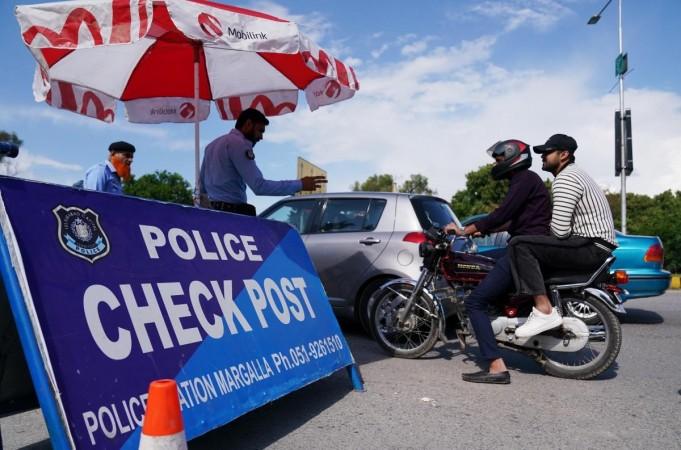
Separately, the Balochistan Liberation Front (BLF) also claimed responsibility for a wave of attacks across Balochistan, including an IED strike on a military convoy, an assault on a police station, and an attack on a military headquarters, in which two personnel were killed and others seriously injured. BLF spokesperson Major Gwahram Baloch said fighters targeted a military convoy in the Zawah area of Khuzdar on April 25 using a remotely detonated IED. In another incident on April 24, the group said its fighters briefly took control of a police station in Noshki's Mall area, damaging communication equipment and injuring one officer.
These incidents come amid a broader escalation of attacks by Baloch militant groups targeting Pakistani military and police forces in recent days, resulting in casualties and infrastructure damage.
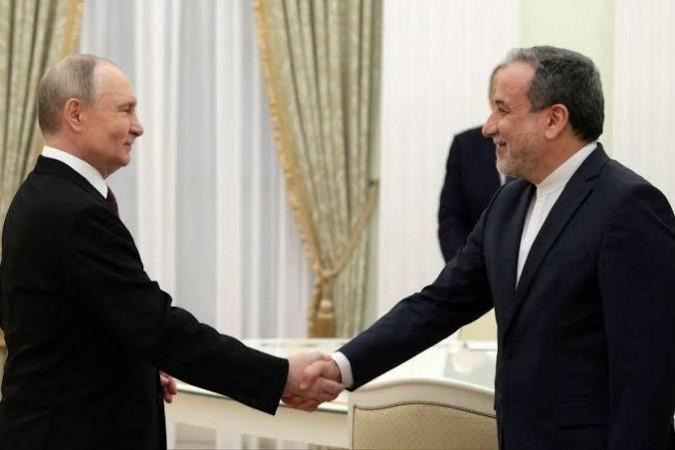
Amid these developments, regional tensions in West Asia also remain high. Abbas Araghchi arrived in St Petersburg on Monday to hold talks with Vladimir Putin, according to local media. He was received by Russian officials and Iran's Ambassador to Russia, Kazem Jalali. Jalali said discussions would focus on developments following the joint US-Israel strikes on Iran, adding that the visit forms part of "close consultations" between the two countries, which share similar positions on regional issues. He also noted that the presidents of Iran and Russia have held three phone conversations since the conflict began on February 28.
Araghchi's visit to Russia follows his trip to Oman, where he met Sultan Haitham bin Tariq to discuss bilateral ties and ongoing diplomatic efforts. During the meeting, Araghchi briefed the Sultan on Iran's position regarding the conflict and expressed appreciation for Oman's support in promoting dialogue and regional stability. The Omani leadership reiterated the importance of mediation and diplomacy to reach sustainable political solutions and reduce the humanitarian impact of the crisis.
In a statement, Iran's Foreign Ministry spokesperson Esmaeil Baqaei emphasised Iran's commitment to strengthening ties with Persian Gulf nations and pursuing constructive regional cooperation.
Tensions in West Asia escalated sharply after the United States and Israel carried out joint military strikes on Iran on February 28, which reportedly killed Supreme Leader Ayatollah Ali Khamenei and triggered a large-scale military response by Iran against Israel and US bases in Gulf nations. The conflict also led to the closure of the Strait of Hormuz, causing significant disruption to global energy markets and heightening geopolitical uncertainty.