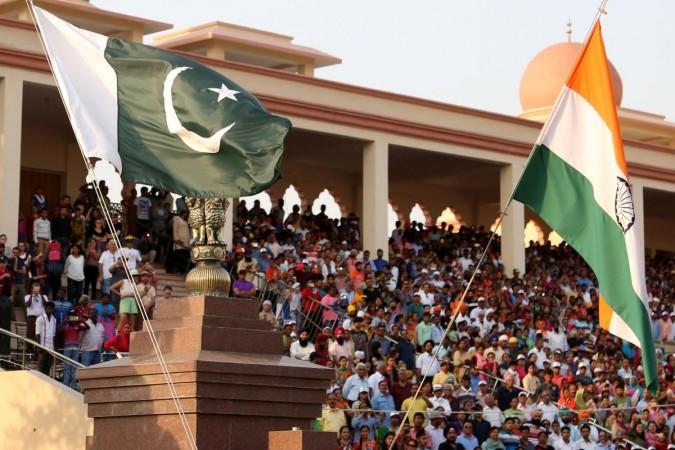
Pakistan's economy has been in a state of crisis for many years while India, a frequent point of comparison in Pakistani discourse, in sharp contrast, has surged far ahead to become the fastest growing major economy in the world, according to a new report.
An article in media outlet Amu.TV states that after the Covid pandemic, the two neighbouring economies move in different directions. In 2022, Pakistan saw a decent rebound with around 6 per cent GDP growth, but this proved short-lived.
By 2023, the country's economy had all but stalled, and the IMF forecast only 0.5 per cent growth. On the other hand, in India, the economy remained on a robust growth path with an above 6 per cent growth and was seen as the "bright spot" of the global economy.
The article also highlights that Pakistan's troubles were being acknowledged even from within its own power structure. At a business event in Islamabad, Lt-Gen Sarfraz Ahmed, the national coordinator of the Special Investment Facilitation Council (SIFC), bluntly said that Pakistan had "no growth plan," and that the country's fiscal situation had been badly mishandled.
One of the clearest signs of Pakistan's economic crisis has been inflation, which hit 37.97 per cent in between 2022 and 2023, and is said to be the highest in 30 years, that has caused a severe crisis for many with the cost of living. This high inflation has hurt many common people the most and has left many families struggling to afford basic goods, as their salaries cannot keep up with the price rise due to inflation, the article points out.
According to the World Bank, the surge in prices pushed an additional 13 million Pakistanis into poverty, and this, coupled with high unemployment rate, raised the poverty rate in Pakistan from 21.9 per cent to 25.3 per cent by 2023 to 2024, which means roughly one in four Pakistanis lives below the poverty line now across the country, and under a higher global poverty threshold, nearly 45 per cent of Pakistan's population could be considered poor, the article further states.
India also faced inflation during this period, but to a much lesser degree, mostly driven by global oil and supply problems, but it was nowhere near Pakistan's inflation rate.
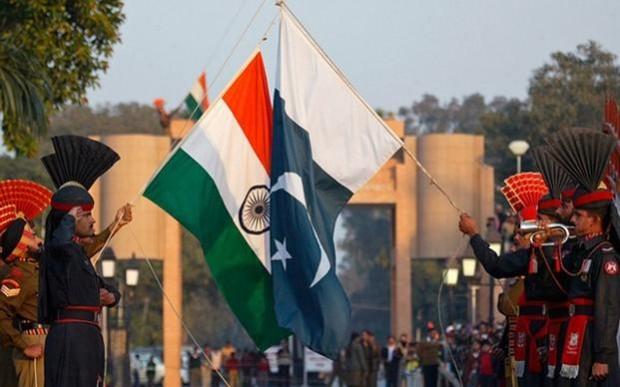
By 2023, India's inflation had come down to around 5-6 per cent, and fell further in 2024. In late 2023, India's retail inflation was below 5 per cent after food prices were brought under control. In stark contrast, an average Pakistani consumer faces price increases five times higher than an average Indian consumer, the article states.
On poverty, the World Bank has estimated that the proportion of people living in India on less than 4 US dollars a day, which is the international benchmark for extreme poverty, fell sharply from 16 per cent to just 2.3 per cent by 2023, the article added.
(With inputs from IANS)