
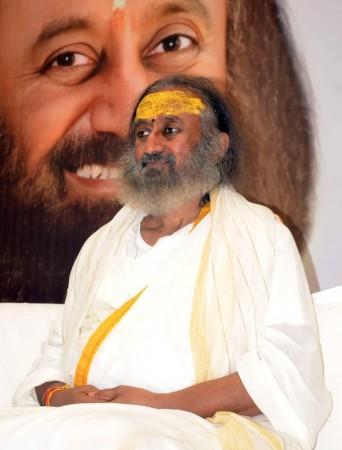
The Indian tradition of learning has always been Guru-mukhi, which literally means knowledge that has been orally passed down by the Masters. For ages, disciples and sincere seekers have sought refuge and knowledge from a Master; and over thousands of years, this has become a parampara - a tradition that has been continuing through a long lineage of Masters.
Guru Purnima is a celebration of this sacred bond. It is also an opportunity for every seeker to reflect on their own journey of growth. Here are ten insights that explain the true meaning of the Guru-Shishya tradition.
1. A Guru Is Far More Than a Teacher
The Sanskrit word Guru means "the one who dispels darkness and brings light." A Guru does much more than impart information. He removes ignorance, awakens wisdom, and illuminates even the darkest corners of the human mind through knowledge and self-realisation.
2. A Guru Awakens the Wisdom Within You
A Guru does not simply give you knowledge; he awakens the wisdom that already exists within you. While information can be acquired from books, lectures or the internet, a Guru helps you discover your true nature. Rather than filling your mind with facts, he removes ignorance, expands your awareness and enables you to experience knowledge for yourself.
3. A Guru Guides You Beyond the Material World
A true Guru is not merely knowledgeable but also lives the wisdom he teaches. Such a Master helps a sincere seeker rise above the limitations of the material world and guides them towards higher states of consciousness, ultimately leading to the experience of Samadhi.
4. Every Seeker Needs a Guru
Why does anyone need a Guru?
Gurudev Sri Sri Ravi Shankar explains:
"When you have this question, that means you need an answer for it. If you know all the answers, then you don't need anyone. When you want medicines, you need to go to a doctor. Similarly, when there are some questions about life that arise in the mind, when we want to cross all barriers in life, then we realise that we need a Guru. Guru simply means the highest, biggest nature of your being."
Just as we seek experts for physical health, we seek a Guru when deeper questions about life arise.
5. Great Seekers Have Always Walked This Path
India's cultural memory is filled with disciples whose devotion to learning became legendary. Arjun, King Janaka, Nachiket and Ekalavya continue to inspire generations because they recognised the value of a Guru and surrendered themselves to learning with sincerity and dedication.

6. Five Beautiful Changes Happen When You Come to a Guru
According to Gurudev Sri Sri Ravi Shankar, five transformations naturally begin in the presence of a Master:
● Sadness disappears.
● Happiness arises without any external reason.
● Awareness dawns and forgotten wisdom returns.
● Desires begin to manifest naturally.
● Hidden talents emerge effortlessly from within.
These are the signs that the journey of a seeker has begun.
7. Every Seeker Evolves Through Three Stages
The relationship with a Guru deepens over time.
A seeker first comes as a student, eager to learn.
Gradually, the student grows into a disciple, seeking transformation rather than mere information.
Eventually, the disciple matures into a devotee, whose love for the Guru and the Divine becomes complete in itself.
8. Learning from the Guru Happens in Three Levels
Gurudev Sri Sri Ravi Shankar explains that spiritual learning unfolds in three stages:
● First, you learn from the Guru's words (Shabd).
● Then you begin to grasp the meaning and feeling behind the words.
● Finally, you transcend even words and meanings, entering silence, where true wisdom is directly experienced.
"In silence, you get everything," says Gurudev.
9. Students, Disciples and Devotees All Have Their Place
Not everyone approaches the Guru in the same way.
A student comes to gather information and move on.
A disciple stays to transform their life, following the example of the Master and striving for wisdom and enlightenment.
A devotee seeks nothing in return. Immersed in unconditional love for the Guru, the Divine and Infinity, they no longer seek knowledge or even enlightenment; they are fulfilled simply by love itself.
Each represents a different stage of spiritual evolution, and each has an honoured place in the Guru-Shishya tradition.
10. Guru Purnima Is the Seeker's Annual Report Card
Guru Purnima is not merely a day to honour one's Guru. It is also a time for self-reflection.
It is an opportunity to ask:
● How much have I grown?
● How far have I progressed on the path?
● How stable have I become in knowledge and awareness?
The festival reminds us that while information can be gathered from countless sources, wisdom blossoms only through the grace of a Guru and the sincerity of a seeker.