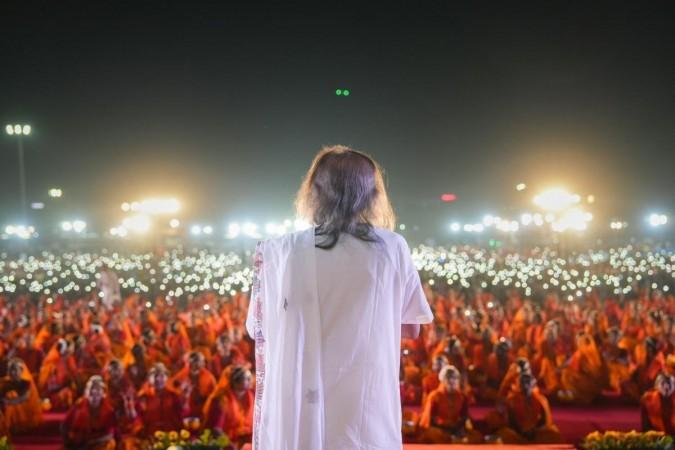
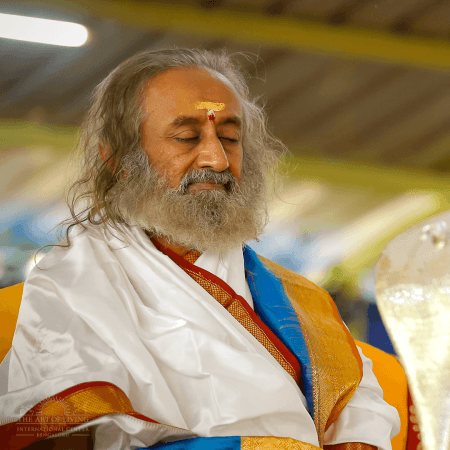
Projected as exoticism or dismissed as something fringe, meditation remained confined to a 'cult' label for a long time in the West. In the early 1980s, when conversations of inner science were barely audible in mainstream discourse, the global spiritual master and humanitarian Gurudev Sri Sri Ravi Shankar embarked on a journey that would eventually shift the world's relationship with meditation and the inner self.
Four decades later, that journey has led to a moment of historic recognition: the United Nations declaring 21 December as World Meditation Day. To mark this historic occasion, Gurudev Sri Sri Ravi Shankar was invited to guide a live, global meditation and deliver the keynote address on "Meditation for Global Peace and Harmony" at the United Nations Headquarters in New York.
It is rare for a spiritual movement to ripple across continents with this kind of cultural, scientific, and institutional acceptance. Yet that is exactly what unfolded.
Beginning of a global movement
As a boy, Gurudev would often be found slipping into deep stillness while others played around him. He'd often tell his friends, "I have family everywhere. People were waiting for me." Back then, his mother would wonder what he was talking about!
This is only too true today, when Gurudev travels to over 40 countries every year, taking his message of peace and meditation to millions from all walks of life.
This movement took shape in 1981, during ten days of silence on the banks of the Tungabhadra in Shimoga, where the Sudarshan Kriya was revealed to him. A year later, the first Art of Living course took place in Shimoga, marking the beginning of a movement that would make meditation accessible in a way the world had not experienced before.
Taking meditation abroad when world was not ready
When Gurudev began offering courses outside India in the early 1980s, meditation was often misunderstood and even maligned. In many Western countries, anything remotely spiritual was lumped together under labels that discouraged public curiosity. Gurudev stepped into this space not to argue with these perceptions, but to demonstrate the transformative power of meditation; how closely connected science and spirituality really are; meditation as a tool for good health; and meditation as a skill to have a say over one's mind and emotions, not a sectarian practice.
Switzerland in 1983, North America by 1986, and by 1988, Bengaluru hosted an advanced program with participants from thirty-seven countries, a sign that people everywhere were ready for a technique that could pull them out of stress and into peace. By 1990, Gurudev was introduced at Yale's Berkeley Divinity School as a "treasure of India."
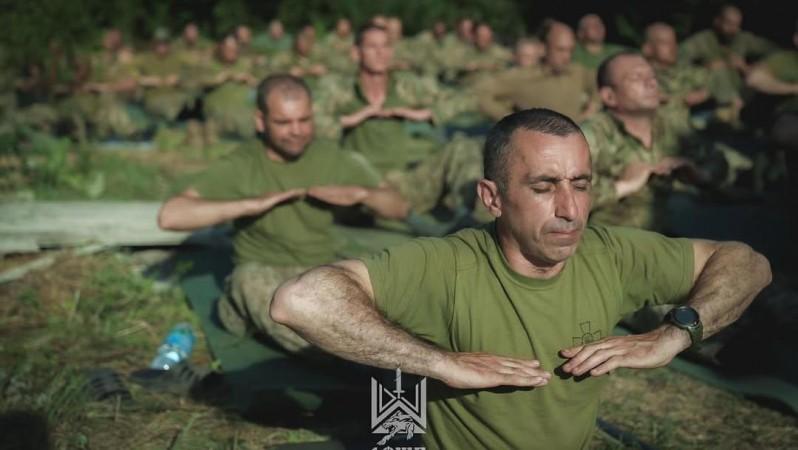
What grew from there was a global network of 10,000 meditation centers and programs that have touched the lives of over 800 million people. Farmers, corporate leaders, homemakers, teenagers, prisoners, war veterans, and people from every walk of life now stand empowered with meditation techniques and inner peace to deal with myriad challenges life throws our way.
Meditation as a force for peace
Alongside personal transformation, Gurudev's meditation and stress-relief techniques have reached and impacted some of the world's toughest and unlikeliest spaces, which, albeit, needed them the most. In Sri Lanka, Iraq, Venezuela, and Colombia, he has facilitated conflict resolution that brought people who had not spoken for years to a consensus never before seen. Meditation has the power to not just calm the mind but also open one's heart to new points of view and dialogue.
His role in Colombia in this has stood out as an extraordinary example. In 2015, during the peace negotiations in Havana, he led both sides into meditation, helping dissolve layers of anger and distrust. His counsel to the FARC leadership on non-violence became a turning point that contributed to the 2016 peace agreement ending a fifty-two-year conflict.
During the pandemic, when uncertainty was at its peak, Gurudev led live meditations twice a day for more than two months with millions joining in. In 2022, his "I Stand for Peace" tour across Europe and the US offered cities still reeling from conflict and crisis a moment of collective calm.
Impact across institutions and communities
Governments, corporations, and public institutions have adopted his meditation programs as part of their wellness offerings. Over 615 companies, including Tata Group, Reliance Industries, Google, and IBM, have integrated these techniques to support mental health and productivity at workplaces.
Apart from the workplaces, his initiatives have transformed the lives of more than 800,000 prisoners across 60 countries. War veterans in the US found relief from trauma through Project Welcome Home Troops, with 94 percent reporting a significant drop in stress and anxiety levels.
In rural India, meditation became part of the Sri Sri Rural Development Program, helping farmers come out of their despair and find renewed hope and energy to tackle challenges present in front of them. Combined with river rejuvenation and natural farming initiatives that have impacted over 30 lakh farmers, the effects have been both emotional and economic.
Global family woven by bringing cultures together
Some of the largest cultural gatherings in recent history are tied to Gurudev's vision of a world bound by shared humanity. From the Silver Jubilee celebrations in Bengaluru to the World Culture Festivals in Delhi, Washington, D.C., and other cities, millions of people from over 180 countries joined together in celebration of meditation as a collective prayer, as these events became a global stage for the world's unique and rapidly disappearing cultural traditions.
In Buenos Aires, 150,000 people meditated with him in 2012. The "I Meditate Africa" campaign, launched in 2013, has reached millions across the continent. In London's Royal Albert Hall, an auditorium known for classical concerts, complete silence filled the room as Gurudev guided the audience into meditation.
Historic moment at the United Nations
After 43 years of introducing millions to the beautiful and timeless practice of meditation and bringing inner peace as a real experience, the powers began to take note. They acknowledged that these techniques are the only answer we have for the ubiquitous question of mental health and the rising stress epidemic. The UN General Assembly unanimously passed the resolution to observe December 21 as World Meditation Day. The first commemoration in 2024 carried the theme "Meditation for Global Peace and Harmony." The global event led by Gurudev set a Guinness World Record for the most viewers of a guided meditation live stream.
The journey from a quiet boy meditating in South India to this moment on the world stage talks of the possibility of hope and positivity. Gurudev often says, "Meditation is the most powerful movement the world has ever seen." Four decades of work have shown what that looks like in real time.
[This World Meditation Day on December 21, millions will meditate together again with Gurudev on his official YouTube channel. A global moment, born from a simple intention: to bring a smile to every face.]