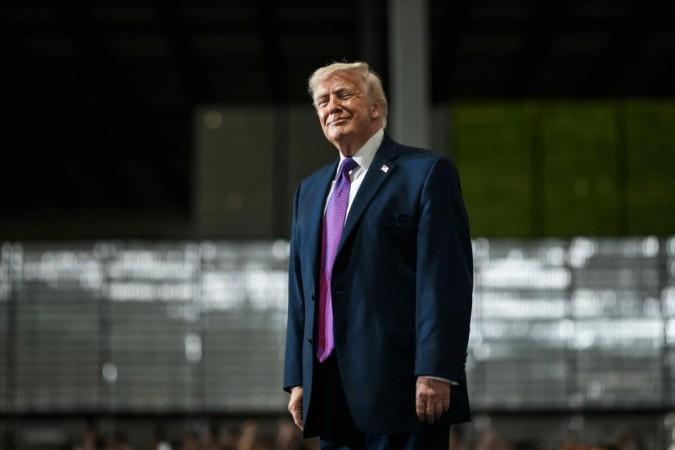
US President Donald Trump has sharply criticised NATO allies for refusing to support Washington's efforts to secure the Strait of Hormuz during the ongoing conflict with Iran, calling their stance a "foolish mistake."
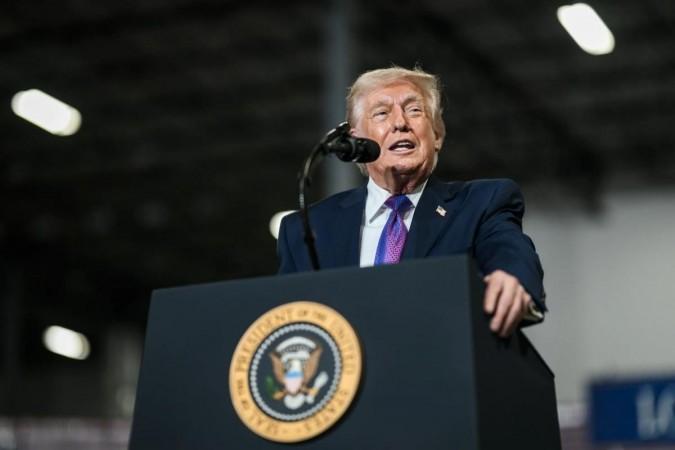
Speaking at the White House alongside Irish Prime Minister Micheál Martin, Trump said most NATO members had informed him they did not want to get involved in what many view as an "illegal war." Despite expressing frustration, he maintained that the United States does not require allied assistance to manage the situation.
In strongly worded remarks, Trump singled out the United Kingdom for criticism, accusing it of failing to support US-Israeli strikes on Iran. He remarked that the historically strong US-UK relationship had deteriorated under Prime Minister Keir Starmer. However, when asked about possible retaliatory measures, Trump said he had "nothing currently in mind."
The US president also expressed dissatisfaction over what he described as a lack of reciprocity from allies, pointing out that the US has spent billions supporting Ukraine against Russia. "We will protect them, but they will do nothing for us," he said, calling the situation "unfair," particularly during a time of crisis.
The conflict has severely disrupted shipping through the Strait of Hormuz, a critical passage that handles nearly one-fifth of global oil supply. Since hostilities began on February 28, only a limited number of vessels—mainly carrying Iranian oil to countries such as India and China—have managed to pass through. Several commercial ships have also been struck, heightening concerns over maritime security.
Despite US efforts, no allies have publicly committed to escorting vessels through the strait. Key nations including Germany, France, Australia, Japan, and the UK have declined involvement, stressing that the conflict is not theirs and urging de-escalation.
French President Emmanuel Macron stated that France would not participate in any operations to reopen or secure the strait, emphasising that it is not a party to the conflict. Similarly, EU foreign policy chief Kaja Kallas said Europe does not wish to be "dragged into" the war, noting that the region was neither consulted nor involved in its origins.
With allies unwilling to participate, Trump appears to have stepped back from efforts to build an international coalition, asserting that the US can act independently following its military actions in Iran. Meanwhile, Iran remains defiant, insisting the waterway is open and rejecting ceasefire demands.
The situation has raised broader questions about the limits of US influence and whether unilateral pressure will be enough to shift Tehran's position in one of the world's most strategically vital maritime corridors.