
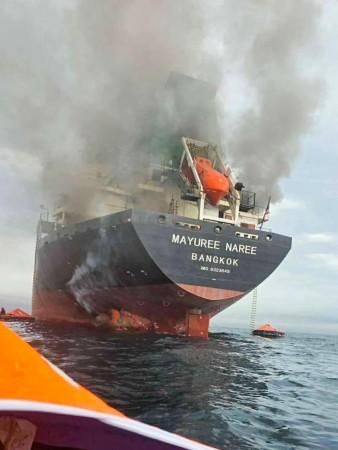
The Strait of Hormuz has become one of the most volatile waterways in the world. Following the outbreak of war between a US-led coalition and Iran over the past two weeks, this crucial shipping route—which carries nearly 20% of the world's crude oil—has effectively been choked.
While Iran's foreign ministry insists the strait is "not closed," it has restricted passage to a limited number of non-hostile vessels under "special conditions," citing the need to prevent "enemy ships" from strengthening their military presence.
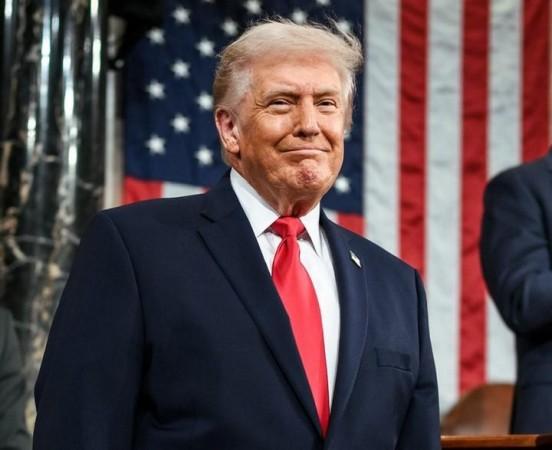
Amid the resulting global energy concerns, US President Donald Trump has urged several countries—including China, France, Japan, South Korea, and the United Kingdom—to deploy warships to help "police" the waterway. He argued that these nations benefit the most from oil flowing through the strait.
However, despite rising oil prices and fears of a global economic fallout, the proposal has been met with caution and, in some cases, outright rejection.
Countries have cited political, legal, and strategic concerns in declining or delaying participation. Japan and South Korea are exercising restraint, with Tokyo reportedly reviewing the request within its strict legal framework, while Seoul has said any decision would follow careful consultations with Washington.
The United Kingdom, led by Prime Minister Keir Starmer, has emphasised diplomacy over military involvement. Meanwhile, Australia has ruled out sending naval support, and Germany has firmly stated it will not participate in any military effort, noting the conflict is unrelated to the NATO alliance.
A key reason behind the hesitation is that several nations did not support the conflict with Iran from the outset. As noted by Middle East analyst Rodger Shanahan, joining a "protection operation" in the strait could effectively draw them into a broader war they did not endorse.
China finds itself in a particularly complex position. President Trump has linked Beijing's cooperation in the Strait of Hormuz to his planned summit with Chinese President Xi Jinping, even suggesting a delay if support is not forthcoming.
Despite this, China has maintained a cautious stance, with its officials emphasising de-escalation rather than military involvement. Given its stable ties with Iran and relatively stronger capacity to withstand energy disruptions, Beijing has little incentive to commit military resources to a US-led conflict.
Beyond political considerations, practical challenges also limit immediate action. Deploying naval forces to secure a contested waterway like the Strait of Hormuz requires time, coordination, and strategic planning. Warships cannot be mobilised instantly, and any coalition effort would involve complex logistics and operational risks.
(With inputs from IANS)