India's universities are far more than teaching institutions; they are the crucibles where the Republic forges its future leaders, scientific temper, social cohesion, and intellectual legitimacy. Any regulatory intervention in higher education must therefore be measured not merely by noble intent, but by constitutional sophistication, institutional wisdom, and fidelity to long-term national interest.
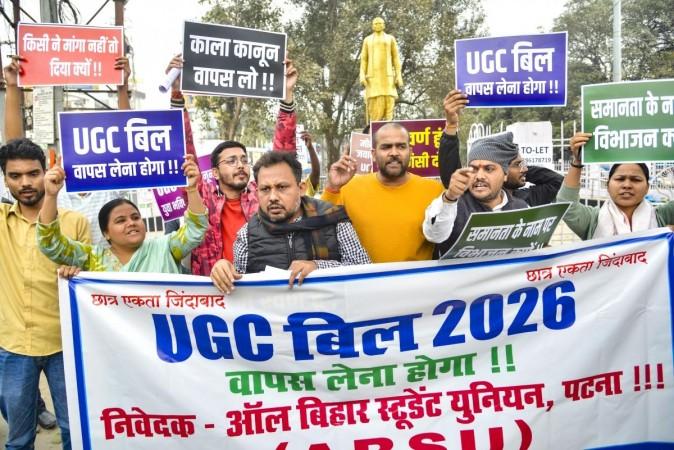
The University Grants Commission (Promotion of Equity in Higher Education Institutions) Regulations, 2026, notified in January and stayed by the Supreme Court within weeks, aimed to combat discrimination and advance equity on Indian campuses. Yet the outcome was swift and severe: nationwide protests, acute social polarisation, institutional disquiet, and a Supreme Court intervention that branded the rules vague, prone to misuse, and potentially divisive. The Court has restored the 2012 framework pro tempore, offering not rejection but a rare opportunity for genuine reset.
This episode compels three piercing questions:
- Were these regulations truly necessary?
- Were they genuinely urgent?
- Do they serve India's enduring national interest?
The answers, though uncomfortable, are indispensable.
Necessity Without Craftsmanship Is Policy Malpractice
India undoubtedly grapples with persistent equity deficits in higher education: first-generation students navigating alienation, uneven institutional empathy toward social disadvantage, silent dropouts masking unvoiced grievances, and inconsistent grievance resolution.
These are real, enduring challenges, not inventions. Yet India was never in a regulatory void. Before 2026, the arsenal included:
- Constitutional bulwarks (Articles 14, 15, 16, 17)
- The SC/ST (Prevention of Atrocities) Act
- The UGC's own 2012 Anti-Discrimination Regulations
- Statutory grievance mechanisms
- A vigilant judiciary
The deficit was never legal absence; it was leadership failure, uneven implementation, and cultural inertia within institutions.
Strengthening equity was defensible. But legitimacy demands intelligent design. The 2026 Regulations sought to fix governance lapses through hyper-centralised mandates rather than cultural and leadership reform. Necessity existed; wisdom in execution did not.
Manufactured Urgency Undermines Legitimacy
Effective policy marries intent with timing. Here, urgency was asserted without evidence:
- No explosive surge in campus discrimination incidents
- No judicial mandate for radical overhaul
- No comprehensive white paper exposing systemic breakdown
- No broad consultation with vice-chancellors, state governments, faculty senates, or student bodies
Yet the regulations were notified abruptly, sidestepping deliberation. When urgency is proclaimed rather than demonstrated, backlash is inevitable: protests erupted across campuses, ideological trenches deepened, litigation surged, and universities froze in uncertainty.
In higher education, where trust is the true currency, imposed speed without consensus destroys more than it builds.
Structural Flaws That Provoked Judicial Rebuke
The Supreme Court's stay was not judicial activism; it was an institutional warning. The 2026 framework harbored four critical defects:
(a) Category-Exclusive Architecture
By channeling formal grievance redressal predominantly through caste (SC/ST/OBC) lenses while appearing to sideline others, the rules risked creating a perception of selective constitutional protection. Contemporary jurisprudence (in India and globally) favors harm-based, universal safeguards over identity-exclusive remedies. Discrimination is conduct, not a hereditary privilege. Selective architectures erode collective trust.
(b) Vague and Over-Elastic Definitions
Core terms like "caste-based discrimination" lacked clear thresholds, intent requirements, or proportionality tests. The Court explicitly flagged this vagueness and misuse potential, echoing global warnings against elastic norms that invite arbitrary enforcement.
(c) Inadequate Due Process
Robust safeguards against frivolous or malicious complaints (neutral panels, evidence standards, appeals, penalties for abuse) were insufficiently fortified. Absent these, grievance systems risk becoming instruments of coercion rather than justice.
(d) Compliance Theatre Over Cultural Transformation
Universities were recast as regulatory outposts rather than autonomous learning communities. Fear supplanted trust; administrative checklists displaced moral leadership.
These flaws rendered the framework unstable, precisely what the Court discerned.
What Mature Democracies Actually Do
Serious nations confront discrimination without fracturing social fabric:
United States: Universal protections (Title VI, Title IX) with identity-neutral access, rigorous due process, and evidence-based adjudication.
United Kingdom: Equality Act 2010 emphasizes institutional duty to demonstrate inclusive outcomes through governance, impact assessment, and transparency.
Germany/Finland/Canada: Mediation-first, welfare-oriented models prioritize early intervention, counselling, and support over punitive or identity-weaponised mechanisms.
No advanced democracy confines grievance systems to select groups, presumes malice by identity, subordinates due process to urgency, or treats universities as surveillance extensions.India, aspiring to global knowledge leadership, should emulate neither the worst excesses nor the selective shortcuts.
The True National Interest
India's ambition to become a knowledge superpower requires universities that:
Produce world-class talent
Attract global faculty and students
Drive frontier research
Sustain social harmony
Inspire constitutional confidence
The deeper maladies are not "equity vs merit," but:
Eroding institutional trust
Stifling regulatory micromanagement
Fear-bound administration
Politicised identity
Compliance masquerading as progress
A divisive framework does not heal; it weakens legitimacy, tarnishes global reputation, and turns classrooms into conflict zones rather than dialogue spaces.
Toward a National Higher Education Equity Doctrine
India needs not another patchwork regulation, but a coherent, constitutionally anchored doctrine aligned with global maturity.
Five foundational pillars:
Universal Protection
Every student, faculty, and staff member without exception deserves shield from discrimination. Equality before law admits no hierarchy.
Targeted Affirmative Support
Historically marginalised groups merit intensified mentoring, scholarships, counselling, and academic scaffolding delivered outside grievance machinery to avoid distorting justice systems.
Ironclad Due Process
Precise definitions, evidentiary thresholds, impartial panels, misuse penalties, and independent appeals. Justice must safeguard the vulnerable while preserving fairness for all.
Outcome Accountability Over Complaint Volume
Measure institutions by retention, inclusion metrics, campus climate surveys, not raw grievance counts that incentivise inflation.
Culture-First Leadership
Invest in faculty training, student agency, inclusive governance rewards. De-weaponise identity; elevate moral example over regulatory fear.
No statute can manufacture character. Leadership must.
A Republican Reckoning
The intent behind the 2026 Regulations may have been earnest. The craftsmanship was flawed.
As India's economy ascends, its demographic dividend peaks, and its universities become global gateways, the quality of institutional governance will shape national destiny.
Equity must fortify the Republic, not fracture it.
Justice must mend divisions, not multiply resentments.
Regulation must ennoble universities, not diminish them to compliance theatres.
The Supreme Court's timely intervention is not a setback; it is an invitation to rise higher, to craft a framework that is constitutionally mature, globally credible, socially unifying, and strategically far-sighted.
Anything less is not reform. It is recklessness.
[Major General Dr. Dilawar Singh, IAV, is a distinguished strategist having held senior positions in technology, defence, and corporate governance. He serves on global boards and advises on leadership, emerging technologies, and strategic affairs, with a focus on aligning India's interests in the evolving global technological order.]