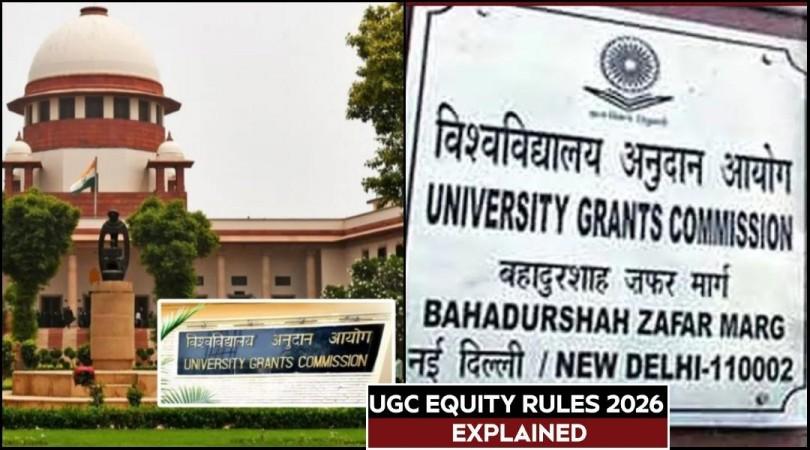
Protests demanding an immediate rollback of the University Grants Commission's (UGC) Regulations, 2026 have stormed the internet and spilled onto the streets across several states, with students and citizens voicing strong opposition to the new rules. Many student bodies, social organisations and even members of the ruling party have joined the agitation. Protesters have also announced a Bharat bandh on February 1, PTI reported.
In Lucknow, students under the banner of Chhatra Panchayat gathered at the Gandhi statue in Hazratganj, raising slogans such as UGC Roll Back and alleging that the new regulations are discriminatory. Protesters claimed the rules, introduced in the name of equity, would deepen divisions on university campuses and unfairly impact general category students while ignoring economic hardship within the category.
Why is social media protesting?
Chhatra Panchayat president Shivam Pandey described the regulations as a "black law", saying they would vitiate the academic environment. "Students eat and study together without knowing each other's surnames. This regulation is politically motivated and aimed at dividing campuses," he said.
In Prayagraj, students from multiple organisations assembled at the Chhatra Sangh Bhawan on the Allahabad University campus, alleging the new framework weakens the rights of general category students and lacks safeguards against false complaints.
In Varanasi, students from Banaras Hindu University and Mahatma Gandhi Kashi Vidyapeeth warned of intensified protests if the regulations were not withdrawn. Police stopped demonstrators from entering the district headquarters, following which they staged a dharna.
Protesters questioned why the proposed grievance redressal and equity committees mandate representation from OBC, SC-ST communities, women and persons with disabilities, but exclude members from the upper caste community. "If equality is the objective, representation must include all sections," a student said.
In Kanpur, students of Chandra Shekhar Azad University of Agriculture and Technology protested wearing black bands and carrying black flags. Sit-ins were also reported from Deoria, led by Bar Association president Pritam Mishra.
In Rae Bareli, BJP Kisan Morcha's Salon mandal president Shyam Sundar Tripathi resigned in protest, calling the regulations "harmful" and "divisive" in his resignation letter to the Prime Minister and party leadership.
Meanwhile, a video from Kaushambi showing Savarna Army district head Abhishek Pandey writing a letter to the Prime Minister with his blood, terming the regulations a "black law", went viral on social media, further fuelling the agitation.
UGC regulations 2026 SAY?
Discrimination is defined broadly to include unfair treatment based on caste, tribe, religion, gender, disability, race or place of birth, covering both direct and indirect forms.
What are equal opportunity centres (EOC)
All higher education institutions must establish an EOC to receive complaints, monitor discrimination-related issues and promote inclusive practices Institutions must form Equity Committees under the EOC with mandatory representation from SC, ST, OBC communities, women and persons with disabilities. Formal systems must be put in place to record, address and monitor complaints, along with regular internal reporting.
Penalties
Vice-chancellors and principals are responsible for compliance. Non-compliance may lead to penalties, including denial of programme approvals, exclusion from UGC schemes or withdrawal of recognition. The UGC says the rules respond to rising discrimination complaints and judicial directions, and are intended to promote equity, inclusion and equal opportunity on campuses.
All you need to know about the rules
Critics argue the regulations are vague, open to misuse and impose excessive regulatory control. There are also concerns about the absence of safeguards against false complaints and whether institutions can implement the framework fairly.
UGC's new equity rules: What changed since 2012
Notified on January 15, 2026, the regulations are positioned under the National Education Policy 2020, with the UGC saying the aim is to shift from symbolic compliance to stronger institutional accountability.
According to the regulator, the framework seeks to
Address caste-based discrimination, including against OBCs
Ensure dignity and safety for all stakeholders
Create enforceable institutional responsibility
The 2012 framework did not define false complaints, prescribe penalties for malicious allegations or mandate independent verification, relying largely on internal discretion.
The 2026 regulations widen coverage and tighten enforcement, most notably by explicitly including OBCs within caste-based discrimination protections for the first time.
According to AISHE 2021–22 data, SC, ST and OBC students together account for 60.8 per cent of total higher education enrolment, making the expanded framework applicable to the majority of students on Indian campuses.
How supreme Court's order has helped
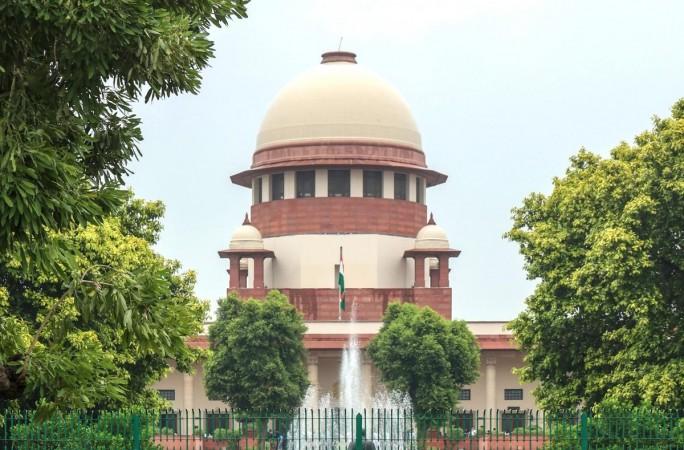
The Supreme Court on Thursday ordered that the UGC (Promotion of Equity in Higher Education Institutions) Regulations, 2026, be kept in abeyance, expressing reservations over concerns that the rules may be discriminatory towards general category students. The court suggested the framework be revisited by an expert committee.
Related