
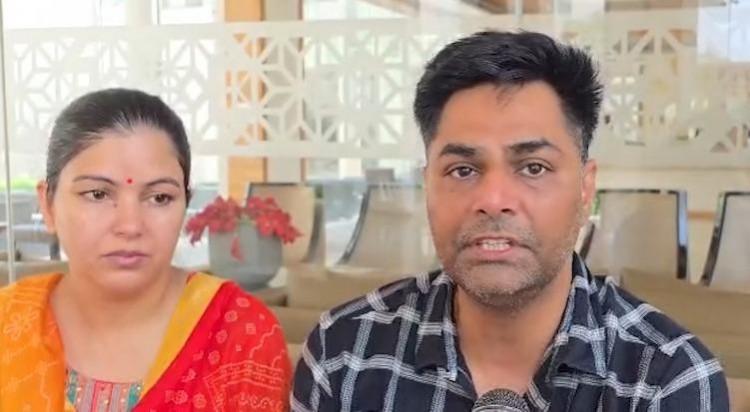
What began as a long-awaited journey to parenthood for a Delhi-NCR couple has evolved into a legal and emotional battle that raises profound questions about identity, biology and the meaning of family, themes that have long resonated in Indian cinema.
The case came to light after a Gurugram couple alleged that DNA tests revealed their twin daughters, born through in-vitro fertilisation (IVF), were not biologically related to either parent. The couple has accused a Delhi fertility clinic of a possible embryo mix-up and approached the courts, which subsequently ordered the registration of an FIR. The clinic has denied wrongdoing and maintains that all procedures were carried out in accordance with consent documents.
For the couple, the central question extends beyond legal liability.
"I carried those innocent children in my womb for nine months. Who are those children? I just want to know," the mother was quoted as saying, reflecting the emotional turmoil surrounding the case.
When Reality Mirrors the Questions Raised in 'Good Newwz'
The unfolding controversy bears striking similarities to the premise of the 2019 Hindi film Good Newwz, which revolved around two couples whose IVF treatment goes wrong after a sperm mix-up at a fertility clinic.
While the film treated the subject through comedy and family drama, it explored serious questions that are now emerging in real life: Who are the "real" parents of a child? Does biology outweigh emotional bonds? How should medical institutions be held accountable when reproductive technologies fail?

In the film, the accidental exchange creates emotional and ethical dilemmas for both families. The Delhi case, however, involves far higher stakes, with DNA reports allegedly showing no biological connection between the twins and the parents who raised them from birth.
Experts note that assisted reproductive technologies have transformed family-building possibilities for millions of couples worldwide, but they have also introduced complex legal and ethical challenges involving consent, genetic lineage and custodial rights.
A Legal Battle That Could Have Wider Implications
The case has sparked renewed scrutiny of India's fertility industry and the safeguards governing IVF procedures.
According to reports, investigators are examining whether there was an embryo mix-up during the IVF process or a possible exchange after birth. The couple has questioned the whereabouts of their biological children and alleged irregularities in documentation. The fertility centre has denied the allegations and said the treatment was conducted in compliance with established procedures.
The controversy has also reignited debate over accountability mechanisms under India's assisted reproductive technology framework. Legal experts say the outcome could influence future regulatory oversight of fertility clinics, DNA verification protocols and patient consent standards.
Like Good Newwz, the case forces society to confront uncomfortable questions that science alone cannot answer. If genetics and emotional bonds point in different directions, who truly defines a family?
For now, investigators are searching for answers. For the affected couple, however, the issue remains deeply personal: whether the children they have nurtured and loved are biologically theirs, and whether they will ever discover what happened to their own embryos.