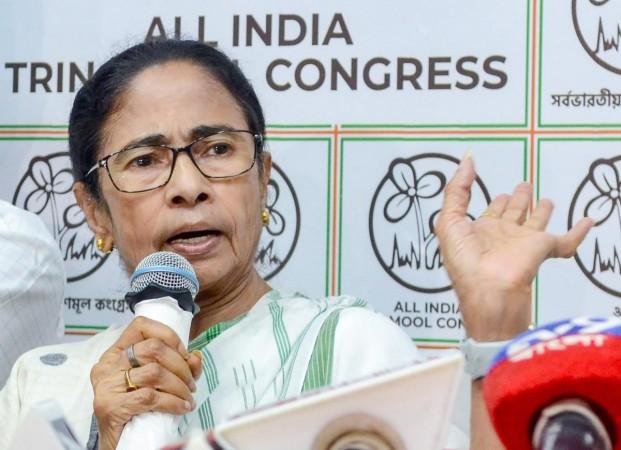
In a sweeping and decisive mandate in West Bengal, voters have delivered a clear rejection of the Trinamool Congress (TMC) government, ending Mamata Banerjee's uninterrupted 15-year rule. The verdict not only removed the party from power but also saw the defeat of a majority of her cabinet, including Banerjee herself.
For the first time, the BJP has come to power in West Bengal, securing a dominant 207 seats in the 294-member Assembly, while the TMC was reduced to just 80. Of the 35 ministers in Banerjee's cabinet who contested the 2026 elections, 22 lost — a staggering 63 per cent — signalling widespread voter dissatisfaction with the outgoing leadership.
The most symbolic defeat came from Bhabanipur, Banerjee's own stronghold, where she lost to her former aide Suvendu Adhikari by over 15,000 votes. This marked a sharper setback compared to her narrow loss to him in 2021.
A 'silent verdict' against the government
The election outcome is being described by analysts as a "silent verdict," with many voters reportedly reluctant to disclose their choices during polling. Long queues in difficult conditions reflected strong participation, but also a quiet, decisive rejection of the TMC's leadership and governance.
Key issues that appeared to influence voters included concerns over women's safety, corruption, unemployment, and lack of infrastructure. Ministers handling crucial portfolios such as education, housing, power, transport, and industry were among those defeated, pointing to dissatisfaction across sectors.
Several prominent leaders lost their seats, including Aroop Biswas (Tollygunge), Bratya Basu (Dum Dum), Chandrima Bhattacharya (Dum Dum Uttar), Shashi Panja (Shyampukur), Sujit Bose (Bidhannagar), and Siddiqullah Chowdhury (Monteswar), among others. Many of these leaders were considered close confidantes of Banerjee, making the losses politically significant.
What if a CM refuses to resign?
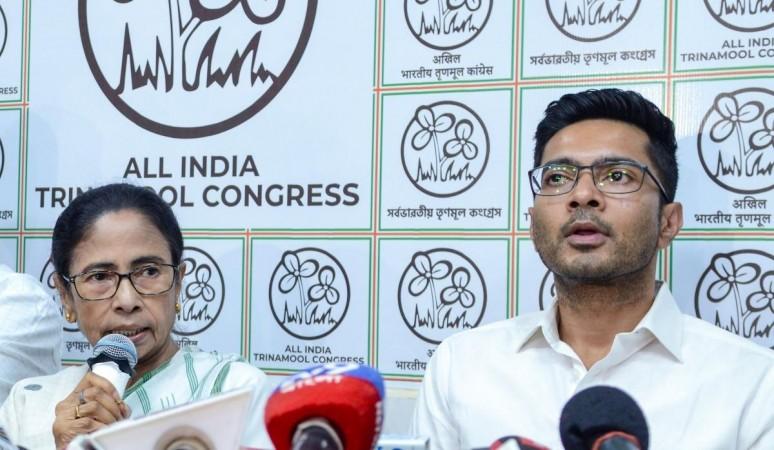
The results have also triggered a constitutional debate after Mamata Banerjee stated she would not step down, claiming a "moral victory" despite the clear electoral outcome.
Under Article 164 of the Indian Constitution, the Chief Minister holds office at the pleasure of the Governor. This means that if a Chief Minister loses majority support and refuses to resign, the Governor has the authority to intervene.
Typically, the Governor can:
- Ask the Chief Minister to prove majority through a floor test in the Assembly
- If the CM fails to prove majority, dismiss the government
- Invite the leader of the majority party (in this case, BJP) to form the government
Given the BJP's clear majority, it would be nearly impossible for Banerjee to prove her numbers in the House.
Possibility of President's Rule
If the situation escalates into a governance crisis — for instance, if there is refusal to comply with constitutional processes — it could be treated as a failure of constitutional machinery. In such cases, the Governor may recommend President's Rule under Article 356, placing the state under direct control of the Centre.
What the verdict means
Overall, the 2026 West Bengal election marks a historic political shift. Beyond a change in government, it reflects a structural and widespread rejection of the TMC's governance model. The scale of ministerial defeats and Banerjee's own loss underline the depth of voter sentiment, making this one of the most decisive electoral verdicts in the state's recent history.