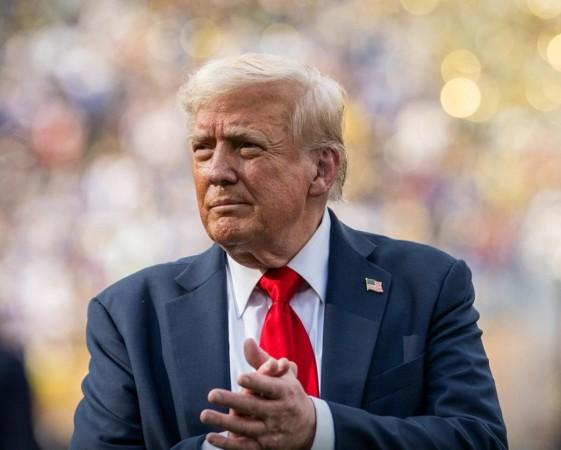
Donald Trump on Tuesday posted a cryptic warning that "a whole civilisation will die tonight" as a key deadline in escalating tensions with Iran approached. In the message, Trump said such an outcome was not his desire but could occur amid mounting military pressure. He added that a "complete and total regime change" could bring transformative leadership in Iran, calling it one of the most significant moments in world history and suggesting decades of "extortion, corruption, and death" could soon end.
Meanwhile, JD Vance said the war in West Asia could conclude soon, claiming Washington had largely achieved its military objectives. Speaking during a visit to Hungary in support of Prime Minister Viktor Orban, Vance noted that the final outcome now depends on Iran's response.
The developments come amid reports of fresh strikes on Iranian civilian and strategic infrastructure, including railway facilities in Kashan, bridges in Qom, and key installations on Kharg Island. Trump had earlier warned of the "complete demolition" of Iran's bridges and power plants if no agreement was reached by the deadline.

At the same time, Trump has increasingly invoked religious language to justify US actions in the conflict. During a White House press conference, he said he believed "God supports" the American position. "God is good... God wants to see people taken care of," he said, while adding that he does not "enjoy" the war.
US Defence Secretary Pete Hegseth also used religious imagery, describing the rescue of a stranded airman in terms of Easter symbolism, saying the pilot was "shot down on Good Friday... rescued on Sunday... a pilot reborn." Trump echoed similar sentiments, attributing the success of the mission to divine intervention, saying, "God was watching us."
TRUMP : "I will go to Venezuela and I will run for President there also"
— News Algebra (@NewsAlgebraIND) April 7, 2026
"Once I’m done here, I’ll head to Venezuela"
"I will quickly learn Spanish. I’m good with languages, won’t take long" ?
"People in Venezuela say that if I ran for president, I’d be polling higher than… https://t.co/pj2mPxBP9F pic.twitter.com/h2JBor6ouV
He also framed the conflict in moral terms, pointing to human rights concerns in Iran and asserting that its citizens "want freedom." The growing use of religious rhetoric marks a shift in US messaging, blending strategic objectives with moral and ideological justification as the conflict intensifies.