The United States and Israel launched joint strikes on Iran on Saturday, escalating tensions in the region. The conflict has so far resulted in the death of Iran's Supreme Leader Ali Khamenei, following which Tehran launched retaliatory strikes on US military installations in Gulf countries, including the UAE, Kuwait, Qatar, Bahrain, and Jordan.
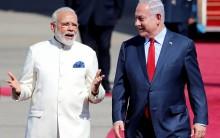
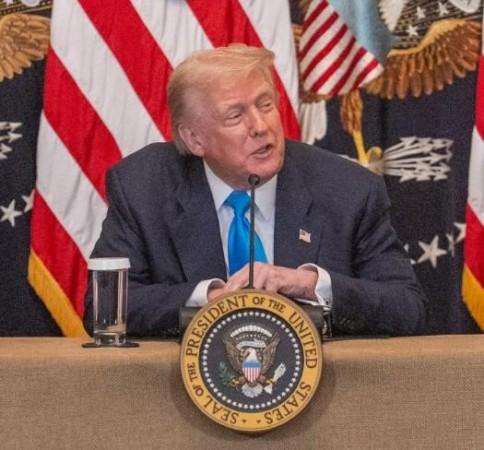
In a brief telephone interview with The New York Times, US President Donald Trump said the US and Israel intended to maintain the assault for "four to five weeks." Israeli Prime Minister Benjamin Netanyahu added that the conflict would not be "an endless war," stating, "We have prepared a general scope of weeks."
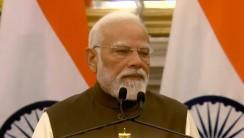
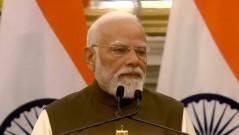
India on Tuesday called for de-escalation, while "firmly opposing" attacks on merchant ships and emphasizing the safety and well-being of Indian nationals as the highest priority. "As a proximate neighbour with critical stakes in the security and stability of the region, these developments evoke great anxiety," the Ministry of External Affairs (MEA) said, noting that Prime Minister Narendra Modi is in touch with his counterparts.
'Quick and decisive, not going to take years'
Israeli PM Netanyahu rejected the idea of a prolonged conflict, saying it could be "quick and decisive." "It may take some time, but it's not going to take years. It's not an endless war," he told Fox News' Hannity. Israeli Lieutenant Colonel Nadav Shoshani added that the duration may change depending on developments, though deployment of ground forces is unlikely.
'Won't be difficult': Trump says US has 'tremendous ammunitions'
Trump said the conflict would not be "difficult" for US and Israeli forces, noting that "we have tremendous amounts of ammunition...stored all over the world in different countries." He acknowledged the possibility of casualties, referencing the three US military personnel killed so far. "Three is three too many as far as I'm concerned," Trump said, adding, "We expect casualties."
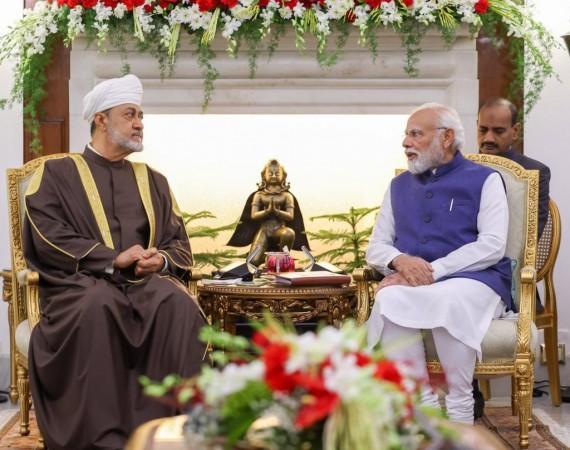
On Tuesday afternoon, Prime Minister Narendra Modi spoke with Oman Sultan Sultan Haitham bin Tariq and Kuwait Crown Prince Sheikh Sabah Al-Khaled Al-Hamad Al-Mubarak Al-Sabah to discuss the ongoing conflict and the welfare and security of Indian citizens in the Gulf.
India reiterated its call for dialogue and diplomacy, stating that it continues to closely monitor the situation and take decisions in the national interest. The MEA said, "We had expressed our deep concern at the commencement of the conflict on 28 February 2026...India had urged all sides to exercise restraint, avoid escalation and prioritize civilian safety. Unfortunately, during the holy month of Ramadan, the situation has deteriorated significantly."
The MEA noted that recent days have seen intensification and spread of the conflict, causing destruction and disruption to normal life and economic activities. With almost one crore Indians living and working in the Gulf, their safety is paramount. India is also opposed to attacks on merchant shipping, given the potential impact on trade and energy supply chains.
Indian embassies and consulates in affected countries remain in close contact with citizens and community organizations, issuing advisories and extending assistance to those stranded. The missions will continue proactive measures to address all consular aspects of the conflict.