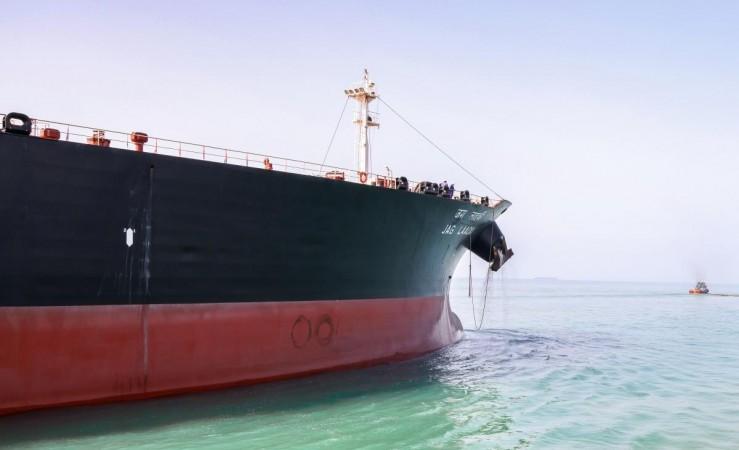
The escalating conflict between the United States and Iran has prompted India to issue a major maritime advisory, asking shipping companies to avoid deploying Indian seafarers on vessels transiting through the Strait of Hormuz until further orders.
The Directorate General of Maritime Administration (DGMA) directed ship owners, ship managers and Recruitment and Placement Service Licence (RPSL) companies to refrain from assigning Indian crew members to voyages through the strategically vital waterway, citing the deteriorating security situation in the Gulf region.
The advisory comes as tensions continue to rise following intensified US military operations against Iran, raising fears of a wider regional conflict and potential disruptions to one of the world's busiest oil shipping routes.
According to the DGMA, the decision has been taken to safeguard the safety, security and welfare of Indian seafarers after a series of attacks on merchant vessels operating in the conflict-hit region. Ships including Mombasa B, Al Bahyah, GFS Galaxy, MT WEDYAN and AL REKAYYAT have recently come under attack, significantly increasing risks for commercial shipping.
The maritime regulator has also instructed masters of vessels operating in the Persian Gulf, the Strait of Hormuz and adjoining waters to maintain heightened security vigilance, continuously monitor navigational warnings and security advisories, and strictly implement Ship Security Plans under the International Ship and Port Facility Security (ISPS) Code.
For emergencies, Indian seafarers and vessels have been advised to immediately contact the DG Communication Centre (MMDAC) or the Indian Navy's Information Fusion Centre-Indian Ocean Region (IFC-IOR). The DGMA said it is closely monitoring the evolving security situation and will issue further directions as required.
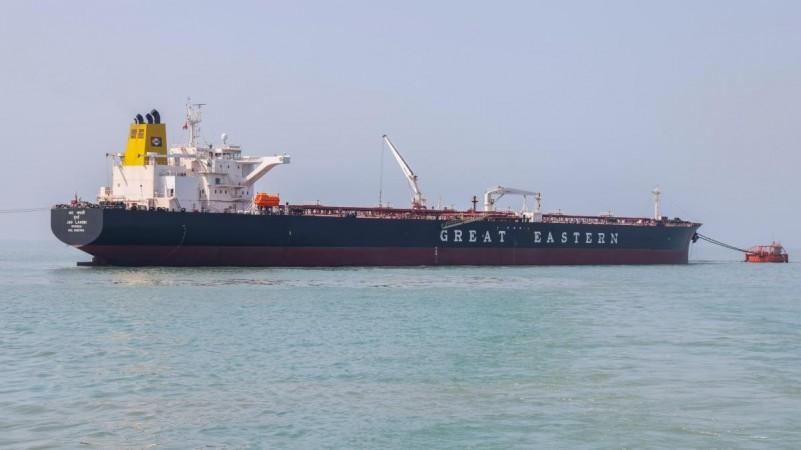
The advisory follows a sharp escalation in hostilities between Washington and Tehran. The US military has launched multiple waves of strikes targeting Iranian military infrastructure, including coastal defence systems, missile launch sites and command centres. According to US officials, the operations are intended to weaken Iran's ability to threaten commercial shipping through the Strait of Hormuz.
The latest escalation comes after the US reimposed a naval blockade on Iranian ports and reportedly disabled an oil tanker that it said was attempting to breach the blockade. The move has further heightened tensions, with Iran accusing Washington of aggression and warning of retaliation.
Iran has responded with missile and drone attacks targeting US military assets and allied facilities in the Gulf region. Tehran has also warned that it could further disrupt regional energy exports, saying it is engaged in what it described as an "existential war" with the United States.
The Strait of Hormuz remains at the centre of the crisis, with nearly a fifth of the world's oil supply passing through the narrow waterway. Any disruption to shipping is expected to have significant implications for global energy markets, with crude oil prices already climbing amid fears of prolonged instability.
Analysts warn that continued military exchanges between the US and Iran could draw more countries into the conflict, disrupt global trade routes and keep oil prices elevated, increasing economic uncertainty worldwide.