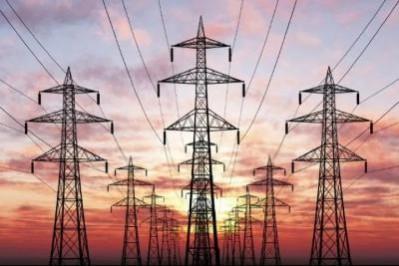
India's power demand touched record highs amid an intense heatwave sweeping across several parts of the country, prompting the government to urge citizens to use electricity "wisely and judiciously". Peak daytime power demand crossed 270 GW this week for the fourth consecutive day as soaring temperatures increased the use of fans, air-conditioners and cooling appliances across homes and offices.
As heatwave conditions intensified across India, Delhi's Dr. Ram Manohar Lohia Hospital emerged as a pioneer in heatstroke treatment by establishing the country's first immersion cooling facility — a globally recognised method that cools patients under water.
The specialised Heat Wave Centre, operational since 2024, is now being replicated at other healthcare facilities across the country, according to hospital officials.
Speaking to IANS about the initiative, Dr Ajay Chauhan said the facility was developed under the guidance of a committee formed by the Union Health Ministry under the National Programme on Climate Change and Human Health (NPCCHH), which functions under the National Centre for Disease Control.
Dr Chauhan said climate change has increased concerns over rising heatstroke cases, prompting experts to develop specialised cooling guidelines for patients suffering from severe heat-related illnesses.
"We found that the best practice globally is immersion cooling — meaning cooling under water. However, such a facility did not exist anywhere in India before. So, for the first time, we brainstormed and established it here," he said.
The Heat Wave Centre at RML Hospital has been equipped with advanced emergency treatment systems, including ice tubs, bath tubs, cooling systems, fans and air-conditioning facilities to provide immediate relief to patients affected by extreme heat and heatstroke. The centre operates round the clock to ensure emergency care is available at all times.
According to Dr Chauhan, two patients suffering from heat-related complications have already been successfully treated and discharged after recovering fully.
The senior doctor said the immersion cooling model introduced at RML Hospital is now being adopted by other institutions as India faces increasingly severe summer temperatures.
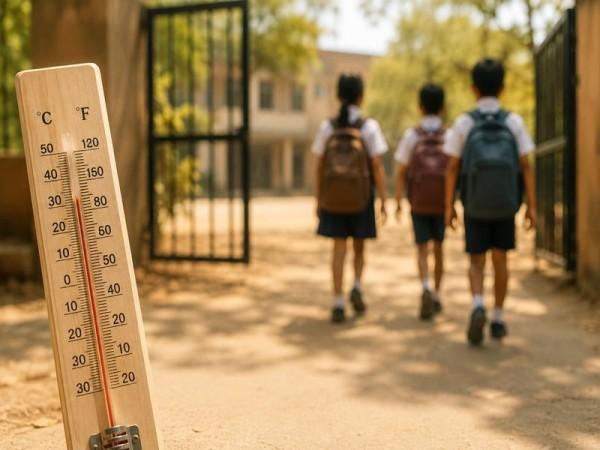
He also urged people to take precautions during the ongoing heatwave season. Dr Chauhan advised citizens to avoid stepping outdoors unless absolutely necessary and to stay hydrated by carrying cold water and consuming fluids regularly. He recommended drinks such as lassi, buttermilk and bael sherbet to maintain hydration and body temperature.
He further cautioned that elderly people and children are particularly vulnerable to heatwave conditions and should be given special care during periods of extreme heat.
Meanwhile, the Ministry of Power said the country is prepared to meet electricity requirements but appealed to consumers to avoid unnecessary usage during peak hours because of the "intense summer" conditions.
"The demand for electricity is increasing due to the intense heatwave in the country. We are prepared to supply electricity as required, but let us all try to use electricity wisely and judiciously," the ministry said.
The current surge in demand has been linked to the El Niño-driven heatwave affecting large parts of the subcontinent. Weather authorities have also forecast "heatwave to severe heatwave conditions" in Delhi and several northern and eastern states until May 27.
Several regions, including parts of Chennai, Delhi, Noida and Odisha, reportedly witnessed localised power cuts during the night as the grid came under pressure. According to Grid-India data, the country recorded a peak power deficit of around 2.57 GW on Thursday evening.
Experts say India's power infrastructure is being tested as hotter days and nights continue to push up electricity consumption levels. While solar energy is helping meet daytime demand, evening shortages remain a challenge as supply relies more heavily on thermal and hydropower sources. Analysts have also stressed the urgent need for large-scale battery storage systems to better utilise surplus solar power during nighttime hours.