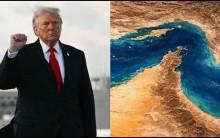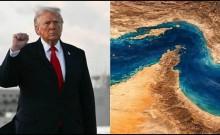
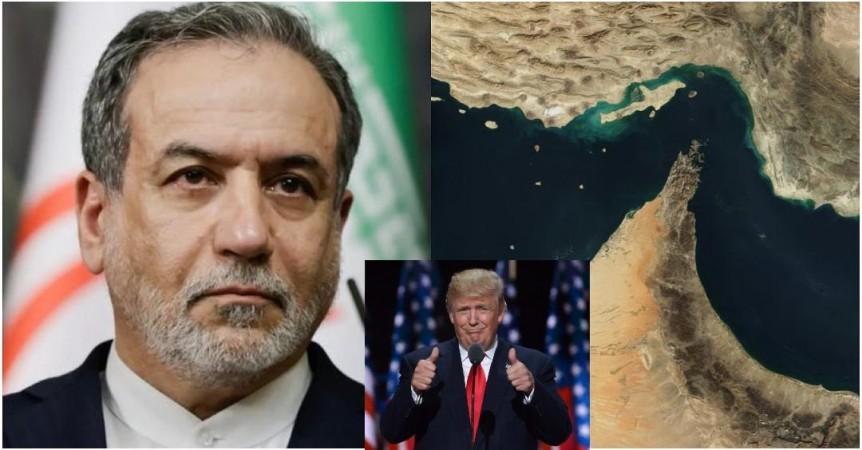
The United States on Tuesday urged its allies to step up and share responsibility for securing the Strait of Hormuz, signalling a push towards a broader international role in safeguarding one of the world's most critical shipping lanes.
US Secretary of War Pete Hegseth said Washington expects partner nations to contribute to maritime security even as US forces lead a new mission to protect commercial vessels from Iranian threats.
"The world needs this waterway a lot more than we do," Hegseth said, adding that the US is working to stabilise the situation before handing over responsibility to other countries. He said nations such as Japan, Australia and European partners are being encouraged to play a greater role, while making clear that Washington will not delay action.
"We're not waiting for them to do so. We're looking to set the conditions to hand to them," he said.
The call comes as the US implements "Project Freedom", an operation ordered by Donald Trump to ensure safe passage for commercial shipping through the Strait of Hormuz following weeks of Iranian attacks and disruptions.
Hegseth described the mission as "defensive in nature, focused in scope, and temporary in duration," with the goal of protecting "innocent commercial shipping from Iranian aggression." He stressed that US forces will not enter Iranian waters or airspace, adding, "We're not looking for a fight," but warned that Iran cannot be allowed to block international trade routes.
Joint Chiefs Chairman Dan Caine said Iran has "repeatedly threatened and attacked commercial shipping" in recent weeks, attempting to disrupt global trade and damage the economy. He noted that Iran has fired at vessels multiple times since a ceasefire, seized container ships and targeted US forces, though below the threshold of broader conflict.
Caine added that the objective of the operation is to facilitate safe passage through the strait, a vital transit route for nearly one-fifth of global oil consumption.
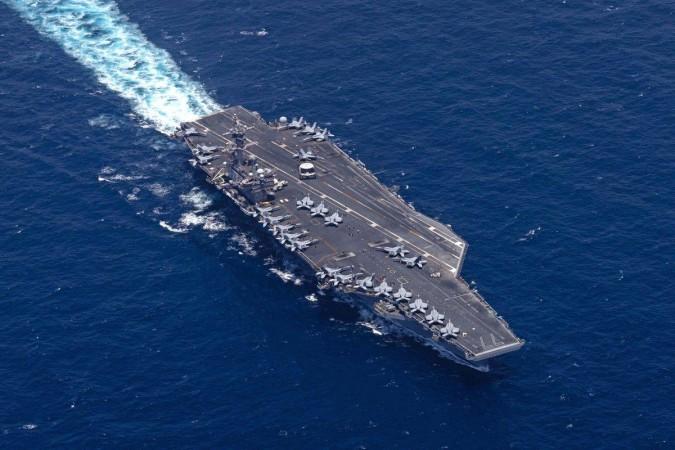
The US has deployed more than 15,000 personnel, along with naval warships, guided-missile destroyers, helicopters and over 100 aircraft to establish a protected transit corridor. An "enhanced security area" has been created along the southern side of the strait, providing round-the-clock monitoring and defence.
Hegseth described the effort as a "red, white and blue dome" over the waterway, ensuring continuous protection for commercial vessels. Officials said two US-flagged ships have already passed safely under escort, with more expected as confidence among shipping companies improves.
Despite ongoing tensions, US officials emphasised that the ceasefire remains in place and that the mission is limited, aimed at restoring stability while encouraging global stakeholders to assume a greater share of responsibility for securing the waterway.
The Strait of Hormuz handles a significant portion of the world's oil shipments, making its security a shared strategic concern for major economies dependent on energy imports.