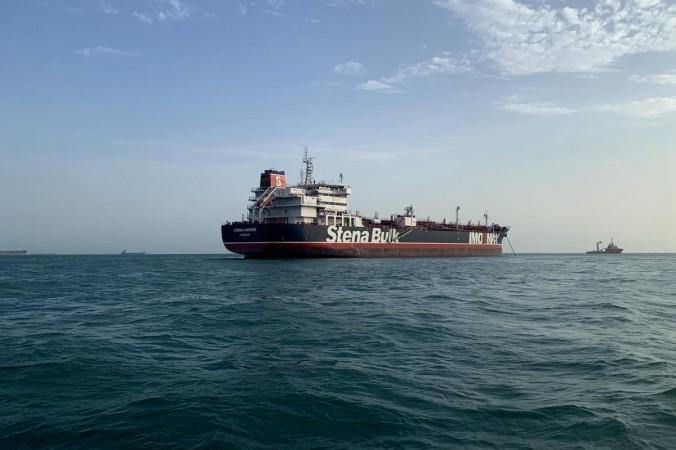
Iran and the United States have tested an already fragile ceasefire, with both sides exchanging fire in the crucial Strait of Hormuz over the past 24 hours. While US President Donald Trump declined to confirm whether the truce still holds, he warned in an interview with Fox News that Iran would be "blown off the face of the Earth" if it targets US ships.
The escalation began after Trump announced "Project Freedom," under which the US would guide commercial ships safely through the Strait of Hormuz.
"For the good of Iran, the Middle East, and the United States, we have told these countries that we will guide their ships safely out of these restricted waterways," he said in a post on Truth Social.
Iran responded with a warning that "any foreign military force, especially the invading American army... will be attacked" if it attempts to enter the strait.
UAE under attack
Amid rising tensions, the United Arab Emirates (UAE) said on Tuesday that its air defence systems were actively intercepting missile and drone attacks launched from Iran. The Ministry of Defence said explosions heard across multiple areas were the result of interceptions of ballistic missiles, cruise missiles and UAVs.
Authorities urged residents to remain indoors and follow official updates, calling the attacks a "dangerous escalation" and an "unacceptable transgression," while reserving the right to respond.
Shipping crisis and global impact
The standoff has severely disrupted global trade. US officials said over 22,500 mariners aboard more than 1,550 commercial vessels are currently stranded, unable to transit the Strait of Hormuz due to ongoing threats.
The waterway, located between Iran and Oman, carries roughly one-fifth of global oil consumption, making it one of the world's most critical maritime chokepoints. The situation has led to a growing backlog of tankers and cargo vessels, raising concerns over delayed oil shipments and wider supply chain disruptions. Freight costs and insurance premiums are also expected to rise as risks increase.
For India, which relies heavily on crude imports from the Gulf, prolonged disruption could mean higher oil prices, increased import bills and mounting inflationary pressure.
US response and military deployment
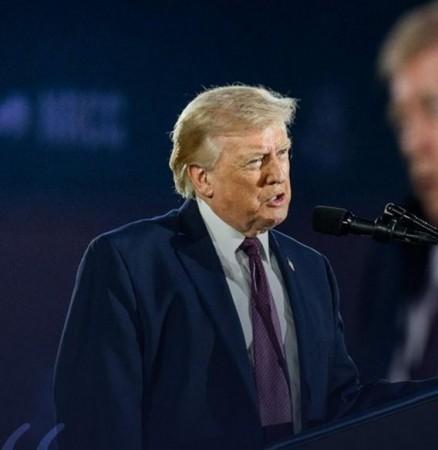
US Secretary of War Pete Hegseth accused Iran of "harassing civilian vessels" and "weaponising a critical choke point," calling it a form of international extortion. He said "Project Freedom" aims to restore the flow of commerce, with US naval and air forces escorting ships through the strait.
Two US-flagged merchant ships have already passed through under naval protection, with more expected to follow. The United States has deployed over 15,000 personnel, along with warships, helicopters and more than 100 aircraft, to secure shipping lanes.
Joint Chiefs Chairman Gen. Dan Caine said Iran has repeatedly targeted commercial shipping over the past seven weeks, firing at vessels multiple times, seizing two container ships and attacking US forces—though all incidents remain below the threshold of full-scale conflict.
Conflicting claims at sea
According to US officials, Iran launched cruise missiles, drones and small boats targeting US Navy vessels and protected commercial ships. The US military said it destroyed six Iranian boats, while Trump later claimed seven were shot down. Iran denied any such losses.
The US also stated that two American-flagged ships successfully crossed the strait with naval support, a claim Iran disputed. CENTCOM further rejected Iran's assertion that US destroyers were targeted, stating that no American ships had been hit.
Wider regional tensions
The Middle East is once again on edge. The UAE reported intercepting 19 Iranian missiles and drones, while a drone strike triggered a major fire at the Fujairah Oil Industry Zone, injuring three Indians. The UAE also accused Iran of targeting an empty ADNOC oil tanker, though no casualties were reported. Iran later said it had no premeditated plan to strike oil facilities.
Oman reported that a residential building was hit, though details remain limited. Meanwhile, Israeli forces continued strikes in southern Lebanon, adding to the broader regional instability.
Diplomatic efforts continue
Amid the escalation, Iran has sent a 14-point peace proposal to the US via Pakistan, pushing for a full settlement within 30 days. The US, however, has proposed a two-month ceasefire framework.
Iranian Foreign Minister Seyed Abbas Araghchi said the situation underscores the limits of military solutions. "Events in Hormuz make clear that there's no military solution to a political crisis," he posted on X.
Trump, while maintaining a hard stance, also signalled reluctance for further conflict. "They should do the smart thing, because we don't want to go in and kill people. I don't want to—it's too tough," he said at the Oval Office.
Despite ongoing hostilities, Hegseth said the ceasefire technically remains in place, describing US operations as "defensive in nature." However, with continued exchanges and rising regional tensions, the stability of that ceasefire remains uncertain.