
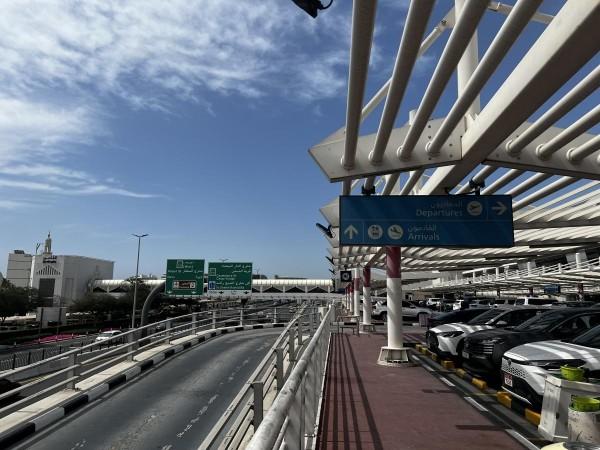
Dubai-based carrier Emirates announced on Wednesday that Iranian nationals are not allowed to enter or transit through the United Arab Emirates. Another carrier, Flydubai, clarified that Iranian nationals holding a UAE "Golden Visa" are exempt from the restriction and can enter and transit the country.
The move comes amid rising tensions between Iran and Gulf states. Last month, Israel and the US launched joint strikes on Iran, triggering retaliatory attacks that have since spread across the Middle East, including the UAE. After weeks of relatively limited action, missile and drone strikes have surged in recent days, with nearly 50 ballistic missiles, cruise missiles, and drones launched at the Emirates on Tuesday alone.
Tehran has warned it would target key civilian infrastructure in any Gulf country supporting moves against Iran, specifically naming the UAE. Dubai, long regarded as a safe haven in the turbulent Middle East, has also been affected but continues to intercept missiles and drones. So far, Iran has launched nearly 2,500 missiles and drones at the UAE—more than at any other country, including Israel. Despite this, the UAE, like other Gulf nations, has largely avoided positioning itself as a direct participant in the conflict.

Reports from The Wall Street Journal indicate that the UAE is now "willing" to join the US-Iran war, potentially becoming the first Persian Gulf country to do so directly. Diplomats have urged the US and military powers in Europe and Asia to form a coalition to reopen the Strait of Hormuz. The UAE believes countries in Asia and Europe, currently cautious, may join if the UN Security Council approves.
Gulf officials said the UAE's stance has shifted since the war began on February 28. Previously seen as a difficult but predictable neighbor, Iran's actions have now revealed a more aggressive side, with strikes designed to create panic, including attacks on hotels and airports in Dubai.