Tensions in the Middle East escalated sharply on Wednesday after Israeli attacks across southern Lebanon reportedly killed at least 31 people, while Iran accused the United States of breaching a fragile ceasefire agreement amid ongoing regional negotiations.
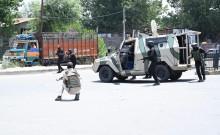
According to reports, Israeli airstrikes targeted multiple locations in southern Lebanon, including Nabatieh and areas near Tyre, as Israel intensified operations against Hezbollah. Lebanese health authorities said dozens were also injured in the strikes, with civilians among the casualties.
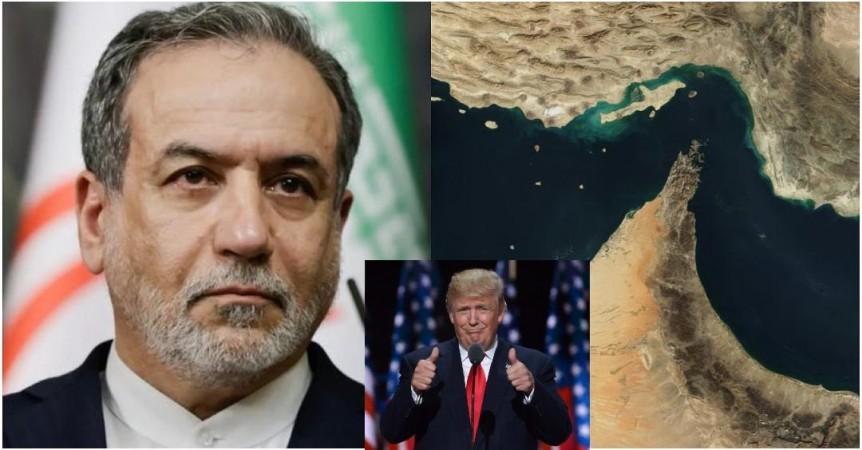
The escalation comes despite continued diplomatic efforts involving the US and Iran to stabilise the region and reopen commercial movement through the Strait of Hormuz. Iran's foreign ministry condemned recent US military actions in southern Iran, calling them a "gross violation" of the ceasefire understandings reached earlier this year. Tehran warned that it was prepared to respond if attacks continued.
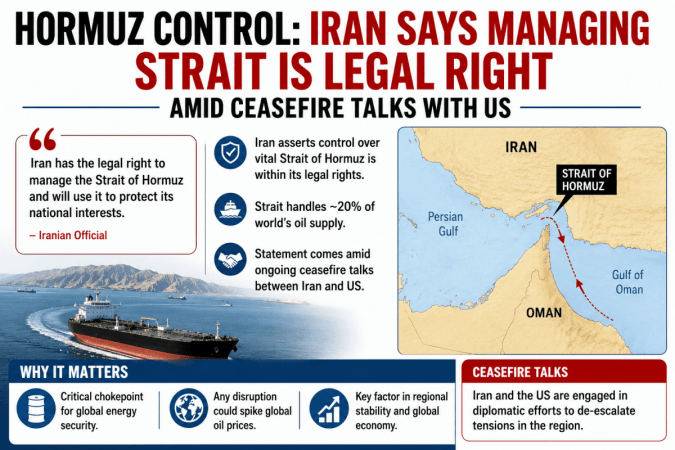
US President Donald Trump said the Strait of Hormuz would remain open to all countries and rejected reports suggesting Washington planned to ease sanctions on Iran under a new peace proposal. The White House also dismissed reports of a draft agreement involving a US military withdrawal from the region as "fabricated".
Meanwhile, Israeli Foreign Minister Gideon Saar defended the operations in Lebanon, stating that Israel's objective was to prevent Hezbollah attacks and dismantle militant infrastructure near its border.
The conflict has further strained ceasefire efforts brokered earlier this year. While Iran and some mediators maintain that Lebanon was included under the truce framework, Israel and the US have argued that operations against Hezbollah remain outside the agreement.
Analysts warn that the renewed violence could destabilise ongoing peace talks and deepen the humanitarian crisis across Lebanon and the wider region, where rising oil prices and disruptions in trade routes are already impacting global markets.