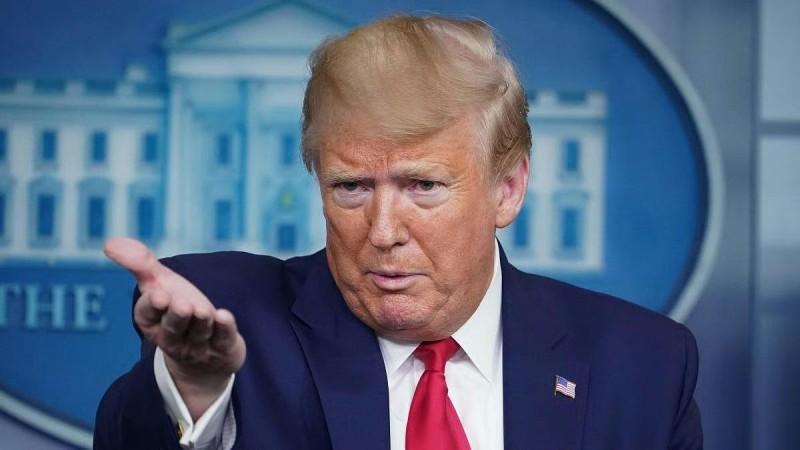
U.S. President Donald Trump on Monday (March 23, 2026) described recent interactions with Iran as "very good" talks, even as Tehran denied that any negotiations were taking place. The remarks came after Trump abruptly shelved plans to attack Iran's power plants, triggering relief in global markets — oil prices fell while stock markets rallied.
Iranian Foreign Ministry spokesman Esmaeil Baqaei said messages had been received from "friendly countries" indicating a U.S. request for negotiations aimed at ending the conflict, according to IRNA. However, Tehran maintained that no direct talks were underway, with Iran's Parliament Speaker M. B. Ghalibaf dismissing the claims as "fake news" aimed at influencing oil and financial markets.
In a day marked by conflicting signals, Trump stepped back from his earlier threat to target Iranian power infrastructure, easing concerns among regional neighbours. Iran had warned it could deploy naval mines in the Gulf and target critical infrastructure across the region — a move that could have deepened an already severe energy crisis.
"I am pleased to report that the United States and Iran have had very good and productive conversations over the last two days regarding a complete resolution of hostilities in the Middle East," Trump said, adding that he had ordered a five-day postponement of military strikes based on the "constructive" nature of the discussions.
Trump also expressed optimism about a possible settlement, claiming there were "major points of agreement," particularly on curbing Iran's nuclear ambitions. His comments coincided with a drop in oil prices and a surge in global equities.
The Strait of Hormuz has emerged as a focal point in the conflict. Trump suggested that reopening the critical shipping route — which carries about 20% of global fossil fuel flows — could be imminent, adding that its management could involve both sides.
2/ No negotiations have been held with the US, and fakenews is used to manipulate the financial and oil markets and escape the quagmire in which the US and Israel are trapped.
— محمدباقر قالیباف | MB Ghalibaf (@mb_ghalibaf) March 23, 2026
He further said that his envoy Steve Witkoff and son-in-law Jared Kushner had engaged in talks with Iranian counterparts, though he did not identify the negotiators. Baqaei reiterated that Iran had not sought talks with Washington, though indirect messages had been exchanged through intermediary countries. Badr Albusaidi indicated that Oman was working to ensure safe passage through the Strait, signalling possible mediation efforts.
Despite Trump's optimistic tone, his statements have remained inconsistent. Just last week, he ruled out a ceasefire, claiming Iran had already been weakened and lacked credible leadership for negotiations.
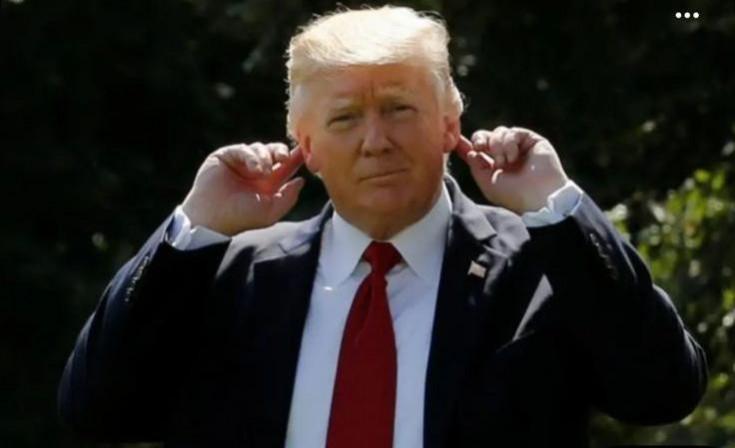
Now facing a prolonged conflict, attacks on U.S. allies, and mounting economic pressure from rising fuel prices, Trump appears to be seeking an off-ramp. With mid-term elections approaching in eight months, the political and economic stakes are rising.
What was initially projected as a swift operation targeting Iran's leadership and nuclear infrastructure has evolved into a wider regional crisis — threatening global energy supplies and forcing a reassessment of strategy in Washington.