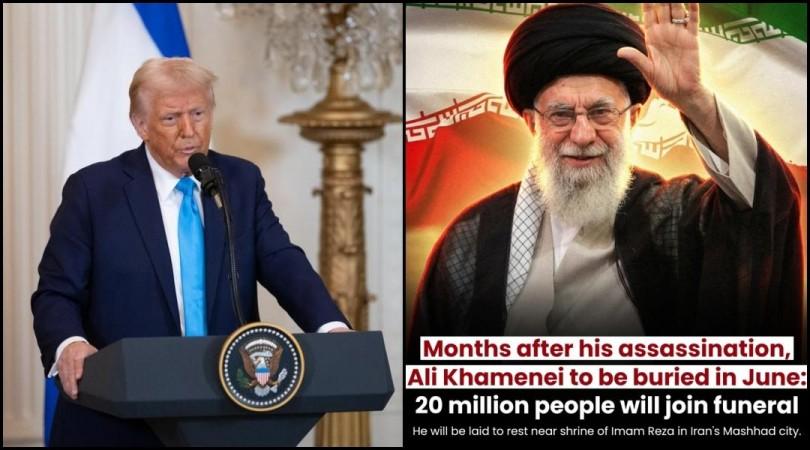
As Iran prepares for the long-delayed funeral of former Supreme Leader Ayatollah Ali Khamenei later this month, a new diplomatic twist has emerged: US President Donald Trump says he would like to meet Iran's new Supreme Leader, Ayatollah Mojtaba Khamenei, raising the prospect of unprecedented direct engagement between the two adversaries.
Trump, speaking amid ongoing US-Iran negotiations, said Mojtaba Khamenei is actively involved in talks and indicated he would be open to a face-to-face meeting if diplomatic progress continues. The US president also claimed Iran has agreed not to pursue nuclear weapons, though negotiations remain fragile following months of conflict in the region.
The remarks come as Iran finalises plans for the state funeral of Ali Khamenei, who was killed in a US-Israeli strike on February 28. Iranian authorities have announced a three-day funeral ceremony, expected to culminate around June 21, with the late leader's body to be buried near the revered Imam Reza Shrine in Mashhad, his birthplace. The funeral was initially scheduled for March but was postponed because of the war and concerns over the massive turnout expected.
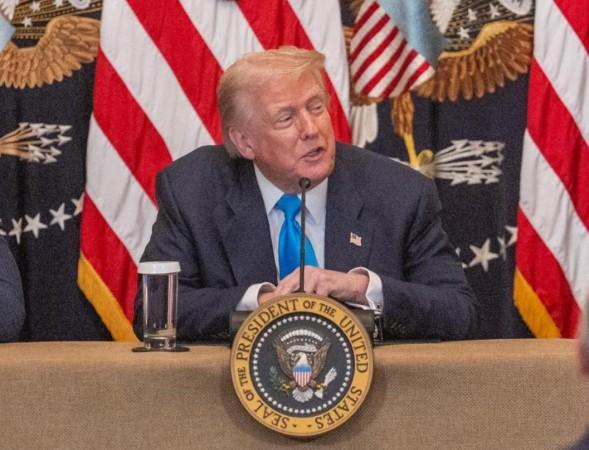
Iranian officials say funeral processions will be held in Tehran, Qom and Mashhad, with millions expected to participate in what could become one of the largest public gatherings in the country's history.
Meanwhile, Mojtaba Khamenei has begun consolidating his position as Iran's new supreme leader, calling for national unity and warning against internal divisions as ceasefire talks with the US and Israel continue.
US President Donald Trump said he would like to meet Iran's Supreme Leader Mojtaba Khamenei, adding he "probably would" at some point when asked during a New York Post podcast interview about a "gay Ayatollah."
— Iran International English (@IranIntl_En) June 4, 2026
Asked who was making decisions for Tehran, Trump said Khamenei was… pic.twitter.com/SzlgILU0fT
The convergence of Khamenei's funeral preparations and Trump's overture to his successor underscores a pivotal moment for Iran and the wider Middle East, with diplomacy and symbolism unfolding side by side.