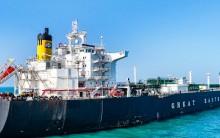
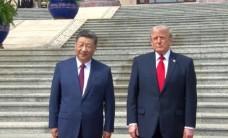
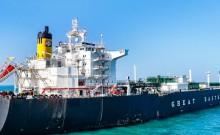
US President Donald Trump has claimed that American forces secretly conducted military operations in and around the Strait of Hormuz for weeks, ensuring the uninterrupted movement of ships and oil cargoes while targeting Iranian maritime assets ahead of a proposed agreement with Tehran.
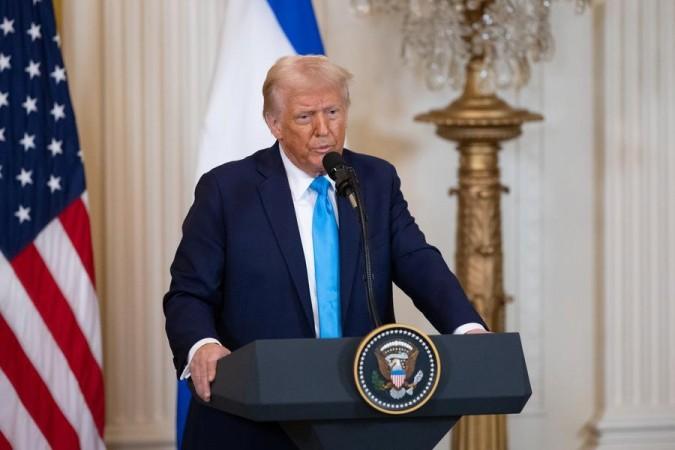
Speaking at the White House, Trump said the operations were largely carried out away from public scrutiny and helped maintain global energy supplies despite rising tensions in the Gulf region.
"The Strait will open as soon as we have it signed. Maybe it'll be Saturday or Monday," Trump said, referring to a proposed agreement with Iran.
He further asserted that US forces had already been operating extensively in the area.
"The Straits have been open for a number of months already, and you just didn't know about it. We brought many ships across and hundreds of millions of barrels of oil through, and there wasn't a thing anybody could have done about that," he told reporters.
Trump claimed US forces had repeatedly struck Iranian maritime assets over the past month.
"Over the last month, we've been taking out ships. Some nights, 25 ships, some nights, 15," he said, adding that American forces also targeted Iranian radar systems during the operations.
"We bombed their radar and everything so they couldn't see what was going on," he said.
According to Trump, these actions helped keep global oil markets stable despite concerns over disruptions in one of the world's most critical energy corridors.
"That's why oil, even before this, the market couldn't understand why it was so free," he remarked.
Proposed US-Iran Understanding
Trump said maritime restrictions linked to the conflict would be lifted once a formal agreement is signed.
Asked whether the blockade would end immediately after a deal, he replied: "Yes, that's true. It's part of the deal."
The Strait of Hormuz is a key route for oil and liquefied natural gas exports from producers including Saudi Arabia, the UAE, Kuwait, Iraq and Qatar.
Trump described the proposed understanding as a major diplomatic breakthrough, saying, "We have a deal that Iran will never have a nuclear weapon."
According to a CBS News report citing sources familiar with the negotiations, a letter of intent or memorandum of understanding between Washington and Tehran could be finalised early next week, paving the way for broader talks on a long-term agreement.
Negotiations and Trade Measures
The memorandum would reportedly launch a 60-day negotiation period, which could be extended if necessary.
Initial measures are expected to focus on restoring "freedom of trade," including demining operations and efforts to fully reopen the Strait of Hormuz.
Iran's Foreign Ministry spokesperson said major sections of a potential agreement aimed at ending the conflict were close to completion despite what Tehran described as Washington's contradictory positions and military actions.
Under the proposed framework, Iran would reportedly agree to halt uranium enrichment for 15-20 years and dismantle key nuclear facilities. In return, Tehran would receive phased financial relief tied to compliance.
Tehran Pushes Back
Despite Trump's claims, Iranian officials disputed reports that an initial agreement had been reached.
Shortly after Trump's announcement on Truth Social that he had cancelled planned strikes against Iran, Iran's Fars News Agency quoted a source close to the negotiating team as saying that "no text of the initial memorandum of understanding with the United States has been approved."
Trump said a signing ceremony could take place soon, with Vice President JD Vance expected to attend. He added that he had consulted Israeli Prime Minister Benjamin Netanyahu and several Arab leaders regarding the developments.
Regional Security Concerns
The draft framework also reportedly addresses broader regional security issues, including the ongoing conflict involving Iran-backed Hezbollah in Lebanon.
US Secretary of State Marco Rubio told the Senate Foreign Relations Committee that Iran must guarantee free navigation through the Strait of Hormuz and allow international shipping to pass without attacks or tolls.
Rubio also said any future sanctions relief would depend on Iran's compliance with restrictions on uranium enrichment and negotiations over its existing stockpile of highly enriched uranium.
Reiterating Washington's position, Trump said: "They will not have a nuclear weapon — they've agreed to that." However, Tehran has yet to publicly confirm any such commitment.