
In a press briefing, Joint Secretary at the Ministry of Petroleum and Natural Gas, Sujata Sharma, said that the Nayara refinery is expected to resume operations by mid-May following its shutdown.
She also clarified that since April 1, there has been no proposal to increase prices of petrol and diesel, including premium variants.
Meanwhile, geopolitical tensions continue to impact global energy markets. The White House said it is examining Iran's latest proposal to reopen the Strait of Hormuz, a crucial route for global oil and gas shipments.
Iran has blockaded the strait since the beginning of the U.S.-Israeli offensive two months ago, disrupting global supply chains. On Tuesday, Tehran asserted that Washington is no longer in a position to "dictate" policies to other nations. Defence Ministry spokesperson Reza Talaei-Nik said the United States must abandon what he called its "illegal and irrational demands."
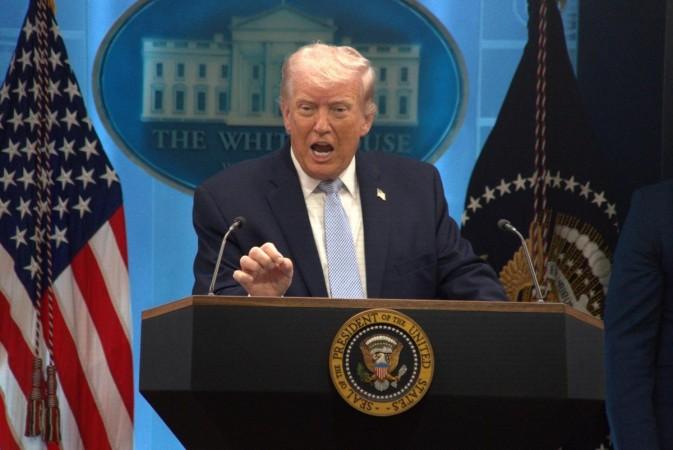
At the same time, Donald Trump claimed that Iran had recently communicated to the U.S. that it is in a "state of collapse" and is seeking a reopening of the Strait of Hormuz amid internal leadership challenges.
However, the White House has not confirmed the nature or source of this communication, including whether it was direct or routed through intermediaries.

Reports suggest that Iran's proposal — conveyed via Pakistan — includes reopening the strait in exchange for the U.S. lifting its blockade. The plan also proposes delaying discussions on Iran's nuclear programme.
This condition appears to be a sticking point. Marco Rubio indicated that any agreement must ensure Iran cannot advance toward developing nuclear weapons.
The proposal surfaced as Iran's Foreign Minister Abbas Araghchi visited Russia, a long-time ally of Tehran. The White House said President Trump's national security team has reviewed the offer, and a formal response is expected.