A fresh debate has emerged in the medical community after Dr. Thomas Seyfried, a veteran cancer researcher and MIT-trained professor, questioned the long-standing practice of routine tumor biopsies, arguing that in certain cases the procedure itself may contribute to cancer spread.
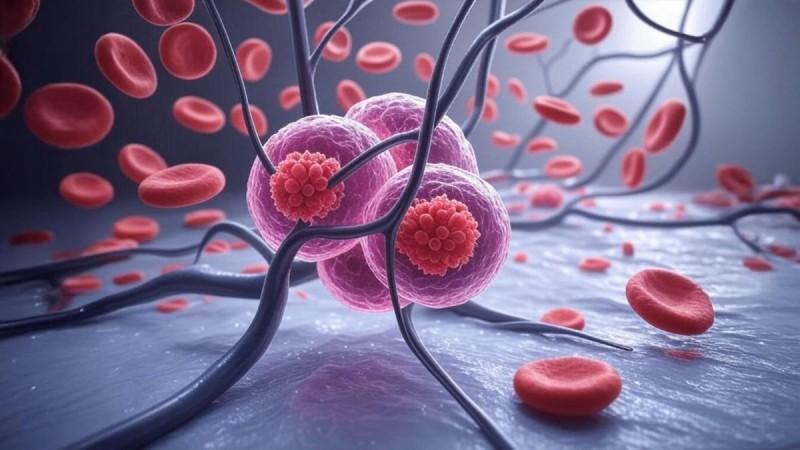
In a short video clip circulating online, Dr. Seyfried points to published studies suggesting that needle biopsies in some cancers — including breast, liver, lung and colon — have, in rare instances, been associated with "needle-track seeding," where cancer cells migrate along the biopsy path. He argues that the risk, though considered low by most clinicians, deserves greater attention.
Dr. Seyfried also challenged the conventional sequence of cancer care — diagnose, biopsy, then treat — suggesting that tumor aggressiveness is often assessed after the tissue has already been disturbed. According to him, shrinking a tumor first using metabolic or non-invasive therapies could change how pathologists later interpret its behaviour.
"We already beat it down," he said in the clip. "If you stab it early, you'll call it aggressive. If you shrink it first, the same tumor may not look dangerous at all."
The researcher advocates a more cautious approach in select cases, proposing metabolic therapies aimed at weakening tumors before surgical removal, followed by non-invasive imaging such as PET, CT or MRI to confirm success.
However, many oncologists caution against drawing broad conclusions. Medical experts note that while biopsy-related seeding is a recognised phenomenon, it is rare with modern techniques and carefully managed protocols. They also stress that biopsies remain critical for accurately diagnosing cancer type, stage, and molecular markers — information that guides life-saving, targeted treatments.
Clinical guidelines currently support biopsies in most suspected cancers, with exceptions made when imaging or other diagnostic tools are sufficient. Large-scale clinical trials have not established metabolic "pre-treatment" as a substitute for biopsy in routine care.
One of the world’s top cancer researchers just dropped a bombshell most oncologists don’t want you to hear:
— Camus (@newstart_2024) December 12, 2025
Dr. Thomas Seyfried (MIT-trained professor who’s published 200+ peer-reviewed papers) says the century-old habit of immediately biopsying tumors could actually be… pic.twitter.com/HKKUpDQ9It
The discussion highlights a growing tension between emerging cancer research and established clinical practice. While Dr Seyfried's comments have reignited public interest in alternative cancer strategies, experts emphasise that patients should make decisions in consultation with qualified oncologists, weighing risks and benefits in each case.
As cancer research continues to evolve, the debate underscores a broader call for transparency, patient education and ongoing scientific scrutiny of long-standing medical protocols.