
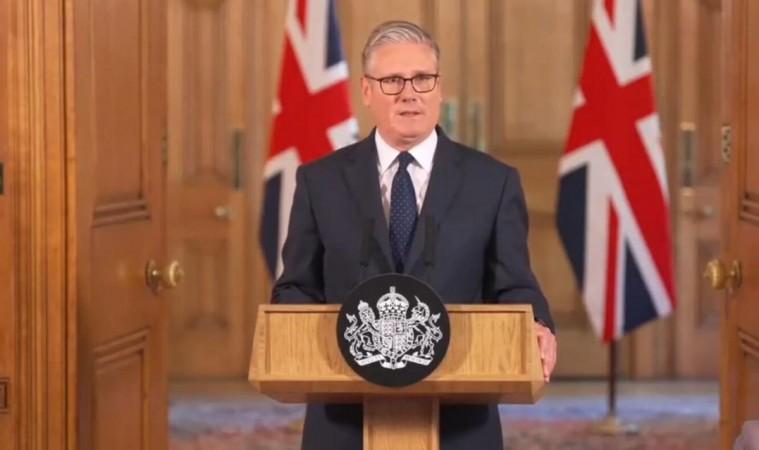
As of 13 May 2026, Prime Minister Keir Starmer is fighting to hold onto power after Labour suffered heavy defeats in the 7 May local elections in England, together with setbacks in the Scottish Parliament and Welsh Senedd contests. Nearly 80 to 90 Labour MPs have publicly called for his resignation, and several ministers have quit in protest. Starmer has rejected the pressure, insisting that no formal leadership challenge has been launched under party rules and that the public demands focus on governing rather than internal drama. He is now scheduled to meet Health Secretary Wes Streeting, a senior figure widely viewed as a potential successor, in a critical encounter that could determine the coming weeks.
This immediate turmoil is not an aberration. It reveals the United Kingdom's broader, interlocking problems: chronic leadership volatility, economic fragility, fraying societal cohesion, and a more challenging international position.
Leadership Instability: A Pattern of Persistent Churn
Britain has cycled through more prime ministers in the past decade than most G7 nations. Starmer's 2024 landslide majority has unravelled rapidly because of policy missteps, delivery shortfalls on public services, internal rebellions, and sharply falling approval ratings. The May 2026 results exposed a fragmenting electorate, with Labour losing hundreds of seats while Reform UK advanced strongly in England and other parties gained ground elsewhere. First-past-the-post voting struggles to manage this multi-party reality.
The deeper causes include short-term political incentives, weakened party discipline, and a growing disconnect between Westminster and left-behind communities. A full leadership contest would bring further paralysis at a vulnerable time. Yet Starmer's resistance risks widening internal divisions. Neither major party has yet found a reliable formula for stable, results-driven governance in these conditions.
Economic Fragility: Deep Structural Pressures
The economy shows modest resilience but faces significant headwinds. Growth forecasts for 2026 sit in a subdued range, weighed down by renewed global energy shocks from Middle East tensions. These pressures strike Britain especially hard given its high reliance on imported gas for households.
Longstanding issues compound the challenge:
- Persistent productivity stagnation linked to skills gaps, planning constraints, regional imbalances, and insufficient investment.
- Renewed cost-of-living strains, business caution, and emerging unemployment signals.
- Tight fiscal space, high public debt, and market sensitivity that limit bold action.
- Political uncertainty that deters long-term investment.
Post-Brexit adjustments, pandemic legacies, and repeated external shocks have reinforced a low-growth environment. Weak per-capita gains restrict resources for public investment and fuel widespread discontent.
Societal Cohesion: Strained Foundations
Public confidence in national unity has weakened. The unrest of 2024 and 2025 highlighted underlying tensions around rapid demographic change, pressure on housing and services in deprived areas, and cultural frictions. Many communities continue to coexist peacefully day to day, yet polling consistently shows heightened concern that change has arrived too quickly for adequate integration and consensus-building.Contributing factors include record net migration in recent years, economic insecurity in left-behind places, declining trust in institutions, reduced social mixing across backgrounds, and amplification of divisions through social media. Cases of parallel communities and unresolved cultural issues add to the strain. While government strategies address cohesion, more robust progress on integration, shared opportunity, and honest dialogue about legitimate concerns is still required to restore a stronger sense of common belonging.
International Relationships: A More Contested Landscape
In a multipolar world, the UK is hedging its position. Relations with the United States have become more transactional, with differences over policy priorities and alliance burdensharing. Cooperation with the European Union has deepened in areas such as trade, security, and energy, without reversing Brexit. NATO commitments remain firm, yet domestic instability reduces diplomatic influence and strategic clarity.
Britain retains significant strengths in intelligence, military capability, financial services, and soft power. These assets provide a solid base, but repeated domestic drama makes it harder to project consistent purpose on the global stage.
The Wider Diagnosis and Outlook
Britain's difficulties arise from long-term transitions: the shift away from industrial strengths, globalisation's uneven effects, technological disruption, cultural polarisation, and governance institutions under strain in the 21st century. Brexit intensified existing fractures in trust and identity but did not create them alone.
The country still possesses powerful advantages, including the rule of law, dynamic innovation sectors, and adaptable democratic traditions.
Breaking the current cycle requires more than leadership changes. It demands focused, steady governance that prioritises productivity and growth, well-managed integration supported by matching infrastructure, honest efforts to rebuild social capital, and pragmatic foreign policy that maximises national leverage.
The Starmer-Streeting meeting and its aftermath will indicate whether Britain can interrupt this pattern of instability. The public signal is unmistakable: citizens want competent government that delivers tangible results and restores a shared sense of direction and confidence.
[Major General Dr. Dilawar Singh, IAV, is a distinguished strategist having held senior positions in technology, defence, and corporate governance. He serves on global boards and advises on leadership, emerging technologies, and strategic affairs, with a focus on aligning India's interests in the evolving global technological order.]