

Sharad Purnima, also known as Kojagari Purnima, Raas Purnima and Kaumudi Purnima, is an important Hindu festival celebrated on the full moon day of the Ashvin month. In 2026, Sharad Purnima will be observed on Sunday, October 25. The festival holds special significance for devotees of Goddess Lakshmi and Lord Krishna, with prayers, fasting, night-long vigils and the tradition of placing kheer under the moonlight forming an important part of the celebrations.
According to Hindu beliefs, the full moon on Sharad Purnima is associated with prosperity, abundance and spiritual significance. Devotees worship Goddess Lakshmi, seek blessings for happiness and financial well-being, and observe traditional rituals to mark the occasion.
Sharad Purnima 2026: Date and timings
- Date: Sunday, October 25, 2026
- Purnima Tithi begins: October 25 at 11:55 AM
- Purnima Tithi ends: October 26 at 9:41 AM
- Moonrise: Around 5 PM, depending on the city
- Kojagara Puja: Traditionally performed during the night, with the auspicious timing depending on the local panchang
Devotees are advised to check their local panchang for city-specific moonrise and puja timings.
Sharad Purnima 2026: Significance
Sharad Purnima is associated with several religious beliefs and legends. According to Hindu tradition, the moon is believed to shine with all sixteen kalas, symbolising completeness and divine radiance.
The festival is also known as Kojagari Purnima because of the belief that Goddess Lakshmi visits the Earth during the night and asks, "Ko jagarti?" meaning "Who is awake?" Devotees traditionally stay awake, worship the goddess and seek her blessings for wealth and prosperity.
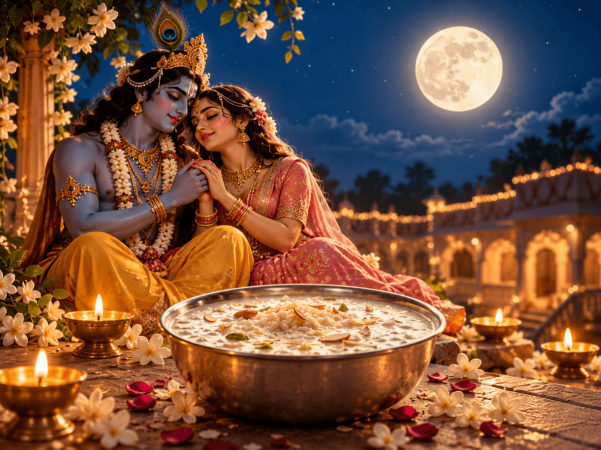
In Braj and Vrindavan, Sharad Purnima is associated with Lord Krishna's Maha-Raas, the divine dance performed with Radha and the Gopis. The occasion is celebrated with devotional songs, prayers and special rituals.
Sharad Purnima 2026: Dos and don'ts
Devotees observe several traditional practices on Sharad Purnima to mark the auspicious occasion. Here are some commonly followed dos and don'ts.
Dos to follow on Sharad Purnima
1. Worship Goddess Lakshmi
Devotees offer prayers to Goddess Lakshmi and seek blessings for prosperity, happiness and abundance. Many households light diyas and decorate their homes as part of the celebrations.
2. Offer prayers to the full moon
Moon worship is an important tradition associated with Sharad Purnima. Devotees offer prayers to Chandra Dev and express gratitude for peace, prosperity and well-being.
3. Prepare kheer and place it under the moonlight
One of the most popular traditions is preparing rice-and-milk kheer and placing it under the moonlight. According to popular belief, the moonlight is associated with divine nectar, and the kheer is later offered as prasad. This is a religious tradition rather than a scientifically established health benefit.
4. Stay awake during the night
Many devotees observe a night vigil, known as jagran, by singing bhajans, reciting prayers and reading sacred texts. The practice is associated with the belief surrounding Goddess Lakshmi's visit on Kojagari Purnima.
5. Donate food and essentials
Offering food, clothes and other essential items to people in need is considered an auspicious act. Charity is traditionally associated with generosity, compassion and the spirit of the festival.
6. Keep your home clean
Devotees traditionally clean and decorate their homes before Lakshmi Puja. Rangoli, flowers and diyas are commonly used to create a welcoming atmosphere.
Don'ts to follow on Sharad Purnima
1. Avoid disrespectful behaviour
Devotees traditionally focus on prayer, gratitude and positive conduct. Avoiding arguments and maintaining a peaceful atmosphere are commonly encouraged.
2. Do not waste food or offerings
Food prepared for the puja should be handled respectfully. Share offerings with family members and others where appropriate, and avoid unnecessary wastage.
3. Do not force yourself to fast
Some devotees observe a fast, while others follow their usual diet. Fasting practices vary by family and region. People who need regular meals or medication should prioritise their health rather than undertake a strict fast.
4. Avoid treating religious beliefs as medical facts
The tradition of placing kheer under moonlight is rooted in religious belief. There is no established scientific evidence that moonlight turns food into nectar or gives it special medicinal properties. Keep food covered and hygienic, especially when leaving it outdoors.
5. Do not ignore local puja timings
Ritual timings may differ by location and panchang calculations. Check the timings applicable to your city before planning Kojagara Puja or other observances.
Why is kheer placed under moonlight on Sharad Purnima?
Placing kheer under the moonlight is one of the best-known customs associated with Sharad Purnima. According to traditional belief, the moon's rays on this night possess special qualities and are associated with amrit, or divine nectar. The kheer is left under the moonlight and consumed as prasad, often the following morning.
The practice is particularly associated with the belief that Sharad Purnima marks a night of spiritual abundance and divine blessings. However, the belief about the moonlight's special properties is religious and cultural, not a scientifically established fact.
How is Sharad Purnima celebrated?
Sharad Purnima is celebrated in different ways across India. In many households, devotees worship Goddess Lakshmi, prepare kheer, light diyas and remain awake during the night. In the Braj region, including Mathura and Vrindavan, the occasion is closely linked to Lord Krishna's Maha-Raas.
The festival brings together traditions of devotion, gratitude, charity and family gatherings. For devotees, it is an opportunity to seek blessings for prosperity and well-being while observing customs passed down through generations.