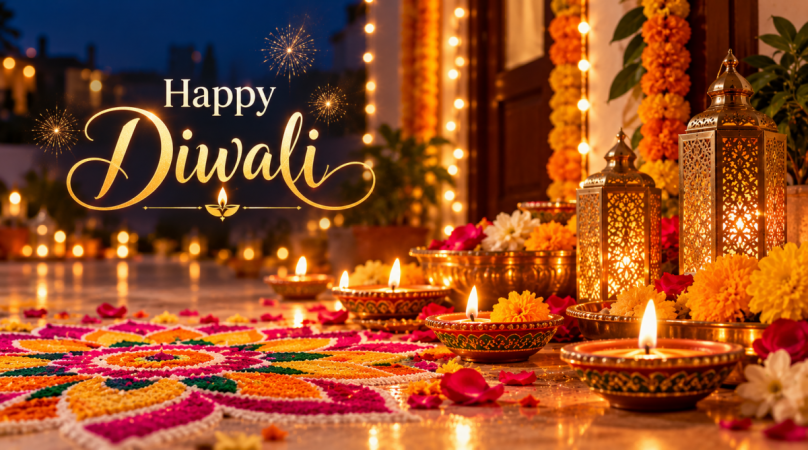
Diwali, the festival of lights, will be celebrated on Sunday, November 8, 2026, with Lakshmi Puja marking the main festivities. One of the most significant Hindu festivals, Diwali symbolises the victory of good over evil, light over darkness and knowledge over ignorance.
The five-day Diwali festival will begin with Dhanteras on November 6 and conclude with Bhai Dooj on November 10. The celebrations include traditional rituals, prayers, lighting diyas, decorating homes, exchanging gifts and preparing festive delicacies.
Diwali 2026: Five-day festival calendar
The five-day Diwali celebrations include Dhanteras, Narak Chaturdashi, Lakshmi Puja, Govardhan Puja and Bhai Dooj. Each day has its own religious significance and customs.
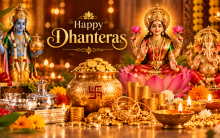
- Dhanteras – Friday, November 6, 2026: The festival begins with Dhanteras, which is considered auspicious for purchasing gold, silver, utensils and other valuables. Devotees also worship Lord Dhanvantari and Goddess Lakshmi for prosperity, health and good fortune.
- Choti Diwali/Narak Chaturdashi – Saturday, November 7, 2026: Also known as Narak Chaturdashi, the day is associated with the victory of Lord Krishna over the demon Narakasura. People traditionally light diyas and prepare their homes for the main festivities.
- Lakshmi Puja/Main Diwali – Sunday, November 8, 2026: The main day of Diwali is dedicated to the worship of Goddess Lakshmi, the deity of wealth and prosperity, and Lord Ganesha. Families light diyas, decorate their homes, exchange sweets and gifts, and perform evening prayers for happiness and abundance.
- Govardhan Puja – Monday, November 9, 2026: The day commemorates Lord Krishna lifting Govardhan Hill to protect the people of Vrindavan from torrential rains. Devotees prepare food offerings, perform prayers and celebrate the occasion according to regional traditions.
- Bhai Dooj – Tuesday, November 10, 2026: The festival concludes with Bhai Dooj, which celebrates the bond between brothers and sisters. Sisters traditionally apply a tilak on their brothers' foreheads and pray for their well-being, while brothers offer gifts and reaffirm their affection.
Significance of Diwali
Diwali holds deep religious and cultural significance across India. In Hindu tradition, the festival is widely associated with Lord Rama's return to Ayodhya with Goddess Sita and Lakshmana after 14 years of exile and his victory over Ravana.
The festival is also associated with the worship of Goddess Lakshmi and Lord Ganesha, with devotees seeking prosperity, wisdom and success. Different regions and communities observe Diwali according to their own customs and religious traditions.
How is Diwali celebrated?
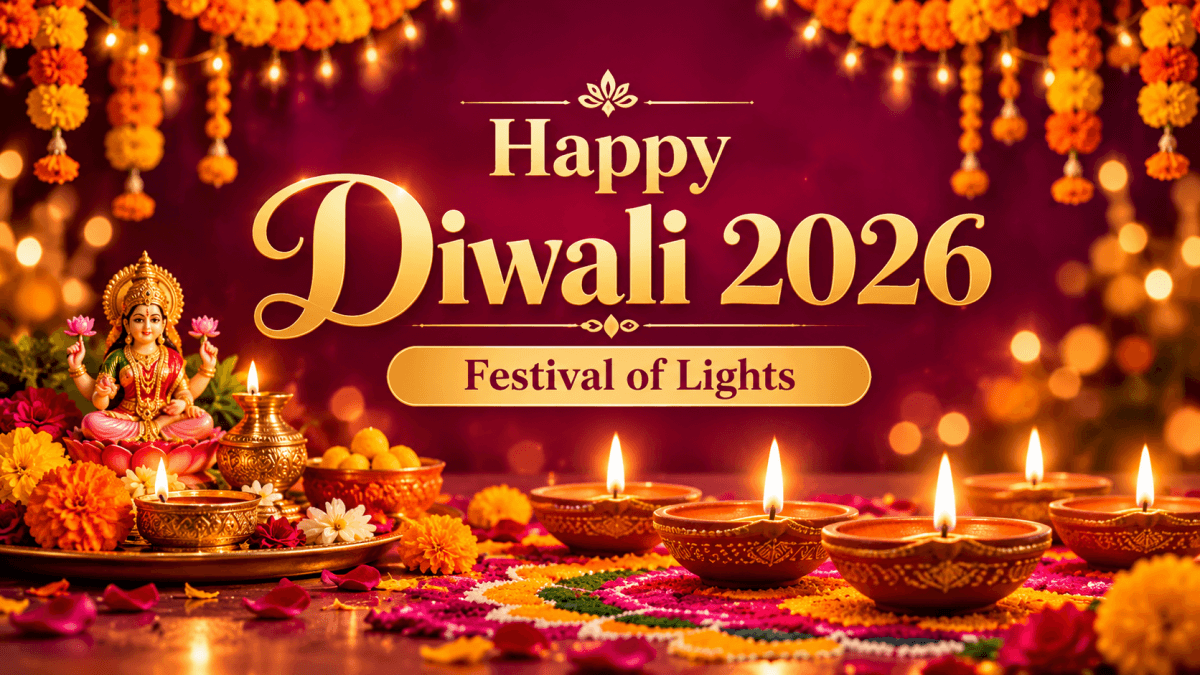
Preparations for Diwali typically begin days in advance, with people cleaning and decorating their homes, making rangoli designs, hanging decorative lights and purchasing festive items. On the main day, families perform Lakshmi Puja, light earthen lamps and candles, exchange sweets and gifts, and gather for festive meals.
Many people also visit relatives and friends, while markets and shopping centres witness increased activity during the festive season. As awareness of air pollution and firecracker-related injuries grows, some families also opt for quieter, eco-friendly celebrations using traditional diyas and decorative lights.