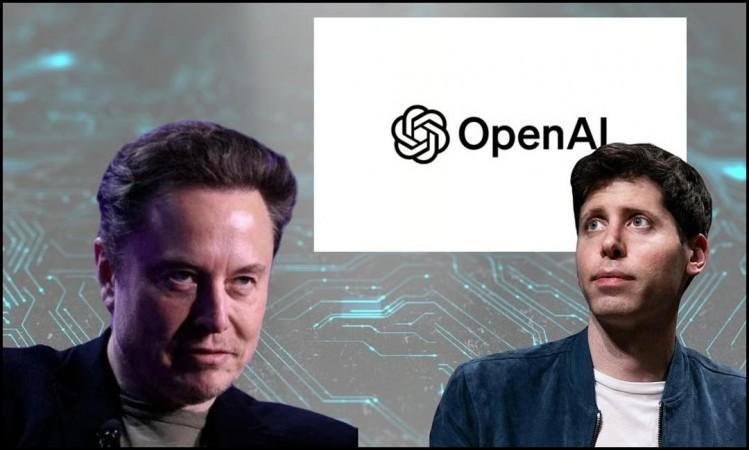
Elon Musk has testified in a high-stakes trial against OpenAI, accusing the organisation and its CEO Sam Altman of abandoning its founding nonprofit mission in favour of commercial interests.
The case, being heard in a federal court in Oakland, centres on Musk's claim that OpenAI deviated from its original goal of developing safe AI for the benefit of humanity and instead evolved into a profit-driven entity competing with major technology firms.
During his testimony, Musk said he supported OpenAI in its early years with the understanding that it would operate as a nonprofit prioritising transparency and safety in AI development. He warned that any verdict allowing what he described as the "looting" of a charity could weaken the foundations of philanthropy in the United States and set a troubling precedent for charitable organisations.
Musk also stated that he played a significant role in OpenAI's early development, including recruiting talent and facilitating partnerships with major technology players. He said his initial interest in the organisation stemmed from concerns that companies like Google were not paying sufficient attention to AI safety.
The dispute reflects a deepening rift between Musk and OpenAI, which he co-founded in 2015 before exiting in 2018. Following his departure, OpenAI established a commercial subsidiary and secured major investments, including from Microsoft, emerging as a key player in the global AI race driven by products like ChatGPT.
Musk later launched his own AI venture, xAI, and has since sought legal remedies, including structural changes at OpenAI. He has indicated that any financial compensation awarded would not be for personal gain.
In response, OpenAI has defended its structure, arguing that transitioning to a capped-profit model and raising external funding were necessary to support the high costs of advanced AI research. The company maintains that its nonprofit arm still retains overall control.
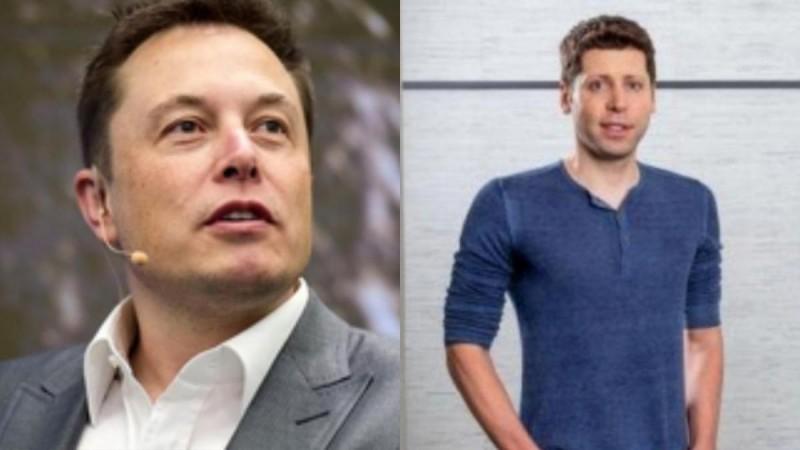
The trial has also drawn attention to escalating public exchanges between the parties. Yvonne Gonzalez Rogers, the US federal judge overseeing the case, urged both Musk and Altman to restrain their social media activity, warning them to "control your propensity to use social media to make things worse outside this courtroom."
This came after Musk posted a series of critical remarks about OpenAI on X ahead of the proceedings.
In opening arguments, Musk's lawyer Steven Molo accused Altman and OpenAI President Greg Brockman of enriching themselves and gaining power while breaching the organisation's founding principles of benefiting humanity.
The case has attracted global attention as it pits two of the most influential figures in artificial intelligence against each other, raising broader questions about the governance, ethics, and funding models of AI companies.
The court is expected to deliver its decision in the coming weeks, a ruling that could have far-reaching implications for the future of AI development and nonprofit structures in the tech industry.
(With inputs from IANS)