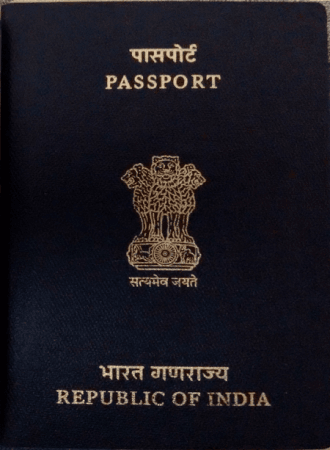
The Ministry of External Affairs (MEA) has clarified that an Indian passport is primarily a travel document issued under the Passports Act, 1967, to regulate the departure of Indian citizens from the country, amid an ongoing debate over whether passports can be treated as proof of citizenship.
Addressing the issue during a media briefing, MEA spokesperson Randhir Jaiswal said passports are issued only after due verification in accordance with the Passports Act, 1967, and the Passports Rules, 1980. However, he stressed that the purpose of the document is to facilitate international travel and regulate the departure of Indian citizens from India.
The clarification comes after recent remarks by government officials that a passport should not be treated as conclusive proof of Indian citizenship sparked political debate, particularly in the context of electoral roll verification. Opposition parties questioned which document should be considered definitive proof of citizenship if not a passport.
The MEA reiterated that passports are issued only after a prescribed verification process but maintained that their legal purpose is governed by the Passports Act. The legislation states that it provides for the issuance of passports and travel documents and regulates the departure from India of citizens and other persons.
The ministry's remarks seek to clarify the legal status of passports while distinguishing their role as travel documents from broader questions related to citizenship determination.