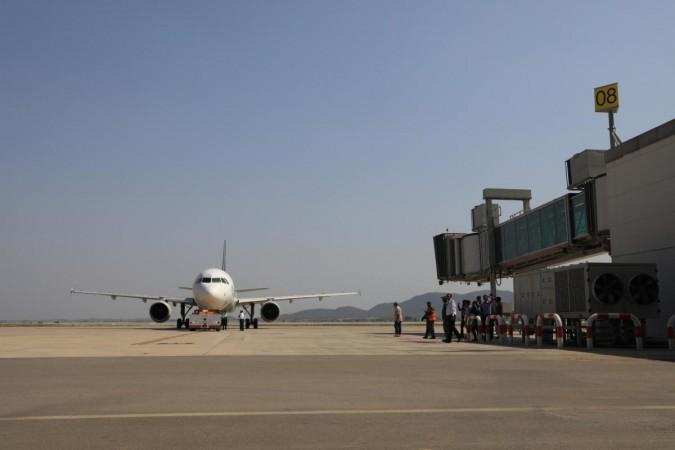
Pakistan International Airlines (PIA) has withdrawn most passenger discounts and reduced flight frequencies as soaring jet fuel prices strain its finances. Concessions are now limited to children and infants, with all other fare discounts scrapped following a review of rising costs, particularly after jet fuel (JP-1) prices surged more than fourfold in recent weeks.
According to data from the International Air Transport Association (IATA), global jet fuel prices climbed to around $195.19 per barrel, intensifying pressure on airlines worldwide. In response, PIA has cut operations, capping UAE flights at 16 per week and suspending services to several Gulf destinations (except Saudi Arabia), as well as routes to Beijing and Kuala Lumpur later in April. The airline said it could not pass the full burden of higher fuel costs onto passengers, necessitating administrative measures to limit losses.
The situation is compounded by Pakistan's broader economic challenges. Rising global oil prices—linked to disruptions from the US-Israel war on Iran—have pushed domestic fuel prices sharply higher, with petrol touching Rs 458.40 per litre at one stage. While the government briefly reduced the petrol levy to provide relief, the move has narrowed fiscal buffers and raised concerns about revenue shortfalls.

Under its programme with the International Monetary Fund (IMF), Pakistan is expected to remove fuel subsidies and maintain market-based pricing. However, recent policy reversals—such as cutting the petrol levy—have complicated efforts to meet key targets like the primary surplus. The IMF has expressed concern over pricing distortions, particularly in diesel, and is pushing for corrective measures.
Analysts warn that the government's attempt to balance public relief with fiscal discipline is becoming increasingly untenable. Weak tax collection, delayed reforms, and high public spending have left limited room to absorb external shocks, while rising fuel costs continue to ripple through supply chains, affecting businesses, transport sectors, and overall economic stability.
(With inputs from IANS)