
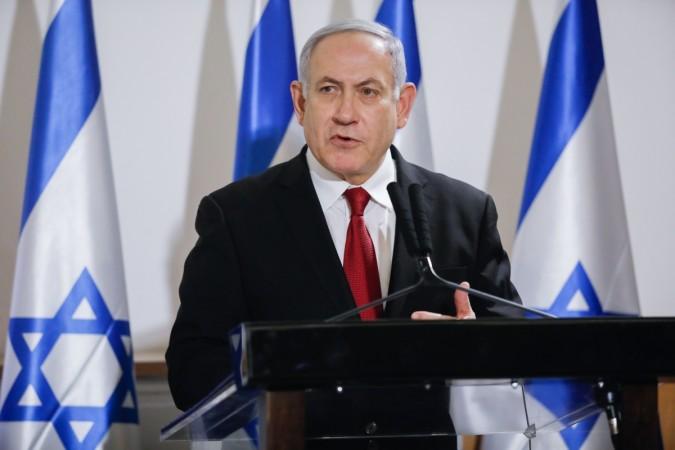
Israeli Prime Minister Benjamin Netanyahu on Tuesday explicitly rejected the idea of a protracted engagement, stating firmly that "this is not an endless war." He characterised the military action as a "gateway for peace" and downplayed concerns that forces could become "bogged down in a longer conflict," despite earlier promises of a swift and easy campaign. Netanyahu maintains that, rather than becoming a long-term drain on resources, the current military engagement is the "exact opposite of what people are saying" and will instead lead to a rapid opening for new diplomatic breakthroughs.
The prime minister's vision for the duration of the conflict is tied directly to regional restructuring. He told Fox News that the current hostilities could pave the way for further deals normalising ties between Israel and neighbouring countries. Referring to his previous collaboration with the Trump administration, Netanyahu noted that they "brought forward the Abraham Accords, which were four peace treaties with four Arab countries." He believes that by "working together against Iran," the current campaign will serve as a catalyst to "bring many, many more peace treaties" once the immediate military objectives are met.
Vice President JD Vance emphasised that this engagement will not mirror the lengthy wars of the past, asserting there is "no way Donald Trump is going to allow this country to get into a multi-year conflict with no clear end in sight and no clear objective." Vance argued that the duration is tied strictly to a "clearly defined objective," which he identified as ensuring Iran does not obtain a nuclear weapon. By maintaining this focus, Vance claimed the administration will avoid "the problems we've had with Iraq and Afghanistan," dismissing critics who suggest the president has broken his promise to avoid "endless" foreign wars.
Vance further argued that the decision to attack Iran is fundamentally different from previous US interventions. He contended that the president has "clearly defined what he wants to accomplish," suggesting that the lack of ambiguity in the mission's scope will prevent the mission creep that defined previous decades of Middle Eastern conflict. By framing the war as a surgical necessity to stop a "nuclear weapon," Vance suggested the timeline is dictated by the destruction of specific capabilities rather than an indefinite occupation or nation-building effort.
President Donald Trump provided the most specific window for the conflict's duration, saying that the administration "projected four to five weeks" for the initial plan. Speaking from the White House, he clarified that the military had originally allocated four weeks to "terminate the military leadership" of Iran. While the president admitted that the US military has the "capability to go far longer than that" if required, he insisted the mission is currently "ahead of schedule by a lot" following the confirmed deaths of several top Iranian officials and the head of the IRGC.

Trump's assessment of the timeline is also influenced by what he describes as a shifting threat level. While he claimed that previous strikes had already led to the "obliteration of Iran's nuclear programme," he justified the current duration of the war by citing a ballistic missile programme that is "growing rapidly and dramatically." He characterised the Iranian government as a "colossal threat to America" that would soon possess missiles capable of reaching the United States. Despite predicting more US military personnel deaths, Trump maintains that the "fast-growing missile programme" must be dismantled quickly to prevent what he called an "intolerable threat" to the American people.