As the war involving Iran continues to escalate, Abdel Fattah el-Sisi on Monday urged Donald Trump to intervene and help bring the conflict to an end, saying only he has the power to "stop the war."
Speaking at the Egypt Energy Show 2026 conference in Cairo, Sisi made a direct appeal: "I say to President Trump: no one will be able to stop the war in our region, in the Gulf, but you... Please, Mr President, please help us stop the war. You are capable of doing so." He added that he was speaking "in the name of humanity and everyone who loves peace," describing Trump as among those who seek stability.
Sisi noted that Egypt, Pakistan, and Turkey are working to mediate between Washington and Tehran as tensions continue to rise.
Warning of serious economic fallout, the Egyptian president said the conflict could trigger twin shocks of supply shortages and rising prices. He cautioned that targeting energy infrastructure—whether production facilities or refineries—would have severe consequences for the global economy and fuel markets. Citing market concerns, Sisi said oil prices could surge beyond $200 per barrel, stressing that such a spike would hit middle-income and vulnerable economies particularly hard, even if wealthier nations may be better positioned to absorb the shock.
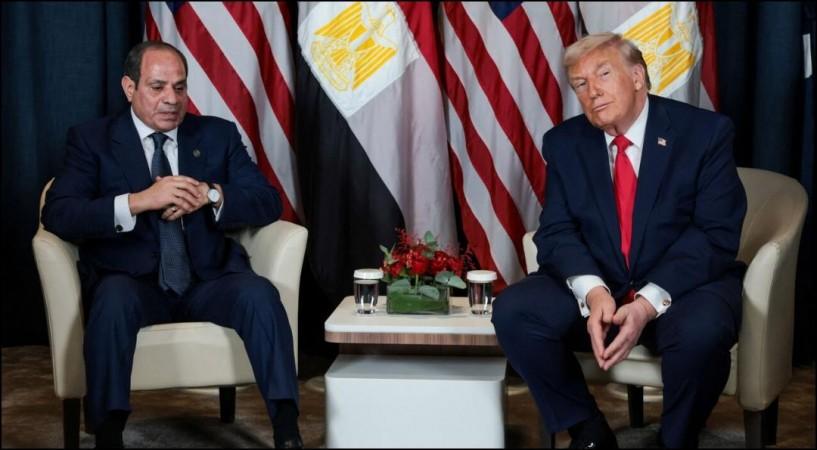
Reflecting on past conflicts, Sisi said wars inevitably lead to "loss, destruction and damage," adding that no side truly emerges as a winner. He also credited Trump with efforts to end the war in Gaza and expressed hope for renewed international efforts to de-escalate current crises.
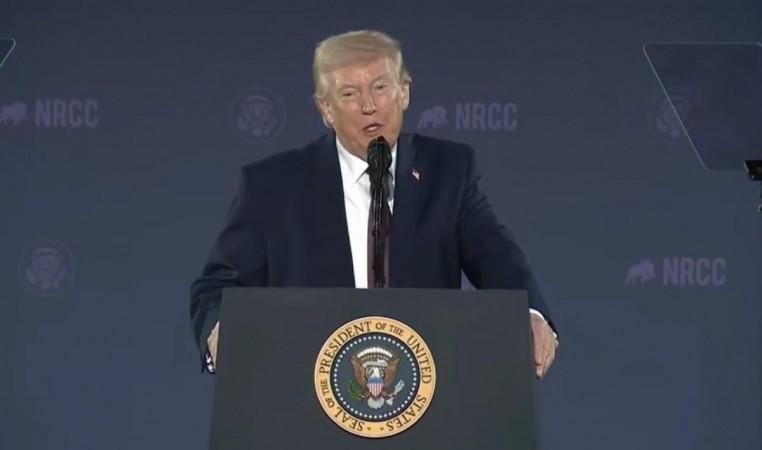
His remarks came after Trump issued a stark warning to Iran, threatening fresh strikes on key infrastructure, including Kharg Island, if a deal is not reached soon. In a post on Truth Social, Trump said that while progress had been made, failure to secure an agreement—and to ensure the Strait of Hormuz remains open—could lead to major US attacks on Iran's energy and power facilities.
He added that such action would be in retaliation for past attacks on US personnel, blaming what he described as decades of hostility from Iran's leadership.