A 31-year-old suspect, Cole Thomas Allen, has been arrested for opening fire outside the White House Correspondents' Dinner, sending shockwaves through one of Washington's most prominent gatherings of political leaders, journalists and public figures.
Investigators say Allen allegedly sent an anti-Trump manifesto to his family members minutes before the attack, in which he used inflammatory language and referred to himself as an "assassin." In the document, he wrote, "I am no longer willing to permit a paedophile, rapist, and traitor to coat my hands with his crimes," though he did not explicitly name any individual.
Authorities believe the manifesto indicated an intent to target officials from the Trump administration. It also reportedly referenced political violence and highlighted perceived security lapses, including a hypothetical scenario in which an operative could bypass checks. According to reports, the suspect described himself as the "Friendly Federal Assassin" and outlined aspects of the planned attack.
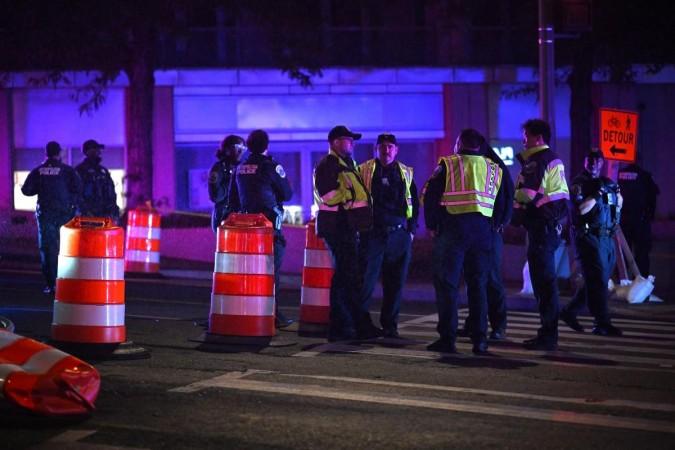
Gunshots were heard outside the ballroom of the Washington hotel hosting the event late Saturday night, prompting security personnel to swiftly move Donald Trump and other officials to safety. The suspect was apprehended near a staircase after firing one or two shots. No fatalities were reported.

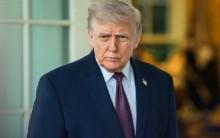
Responding to the manifesto in an interview with CBS's 60 Minutes, Trump dismissed its contents as "radicalised" and strongly denied the allegations referenced in the document. He also criticised sections of the media for amplifying the suspect's rhetoric.
Despite the breach, Trump emphasised that such an incident should not disrupt a long-standing democratic tradition. He called for the correspondents' dinner to be held again within 30 days, stressing the importance of the event as a symbol of press freedom and the relationship between the presidency and the media.
"I don't want to have a crazy person be able to cancel something like this," Trump said, adding that future events could proceed safely with enhanced perimeter security. He noted that he had even encouraged organisers to continue the dinner that night, describing a brief sense of unity in the room following the incident.
The White House Correspondents' Dinner is widely regarded as a key fixture in American public life, bringing together policymakers and the press in a rare setting that blends formal engagement with reflection on the role of journalism in democracy.
Investigations into the suspect's motives, digital footprint and manifesto are ongoing, as authorities assess the broader implications for political security and rising concerns around extremism.