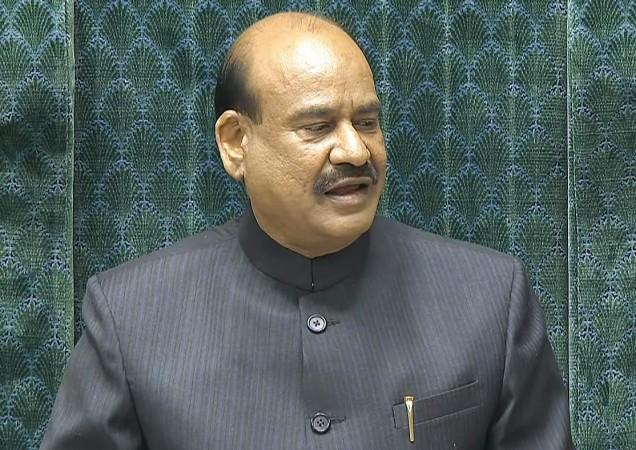
In a bold yet predictably quixotic challenge to the NDA's parliamentary dominance, the opposition INDIA bloc formally tabled a no-confidence motion against Lok Sabha Speaker Om Birla on February 9-10, 2026. This motion secured 118 to 120 signatures from key allies including Congress, Samajwadi Party (SP), and DMK. The motion meticulously lists allegations of partisan bias. It spotlights Speaker Birla's refusal to grant Rahul Gandhi speaking time on explosive issues. These include China border incursions amid 2025 skirmishes along the Line of Actual Control, revelations from General M.K. Naravane's memoir implicating political interference in military appointments, and Prime Minister
Narendra Modi's security protocols raised during chaotic February 2025 House proceedings. Set for debate on March 9 in the Budget Session's second phase from March 9 to April 2, this gambit exposes the 18th Lok Sabha's chronic paralysis. PRS Legislative Research records productivity at a dismal 40 to 50 percent in recent sessions. Over 100 adjournments and a record 146 suspensions have fueled endless logjams. These have stalled critical legislation on everything from farm reforms to infrastructure funding.
Birla's immediate response on February 10 set a precedent in restraint. "I will not sit on the Speaker's chair till the issue is settled," he declared publicly. He voluntarily stepped back from presiding. BJP leaders hailed this gesture as exemplary institutionalism. Opposition figures like Jairam Ramesh decried it as a clever sidestep of direct House scrutiny. Rahul Gandhi eschewed a personal signature for procedural decorum. He deferred to proxies such as Gaurav Gogoi and K.C. Venugopal. INDIA bloc coordinators confirmed this during their pivotal February 8 strategy huddle at the Parliament Annexe. The motion's mandatory 14-day notice under Rule 200A lapsed post-February 23. This concluded Session Part 1. It dovetailed precisely with the session calendar announced by the Lok Sabha Secretariat on January 12. This ensured ironclad procedural legitimacy amid escalating political drama.
Constitutional Foundations: Precision-Engineered Accountability
Article 94(c) forms the unassailable bedrock. "The Speaker may be removed from his office by a resolution of the House passed by a majority of all the then members of the House." This demands an absolute majority of 272 votes from the total 543 Lok Sabha seats. It presents an insurmountable arithmetic bar given the opposition's fragmented 234 seats. This provision underwent extensive debate in the Constituent Assembly. It balances the Speaker's quasi-judicial authority with democratic oversight. Lok Sabha Rule 200A operationalizes it. Forged in the fiery aftermath of the 2023 Somya Gurumurthy privilege breach case, the rule enforces rigorous discipline. It requires a full 14-day notice to the Secretary-General. Charges must be articulated factually without rhetorical flourishes, arguments, or defamatory insinuations. The Speaker must yield the chair immediately upon tabling. The Deputy Speaker or a pre-nominated panel chair then takes over proceedings.
Birla's entitlements remain robust and unequivocal. He retains the right to occupy the treasury benches as an ordinary MP. He can mount a personal defense during debate. He can cast his vote, though without the casting vote in event of ties. These privileges root in longstanding conventions codified in Speakers' Directions since 1952. A clerical date glitch marred the initial notice. This prompted a swift resubmission on February 9. The Secretariat accepted it without demurral. This underscores the motion's procedural robustness. Historical precedents and raw numbers still mock any realistic prospect of success.
Precedents: Echoes of Futile Rebellion Across Decades
No Speaker has ever been successfully ousted in India's parliamentary history. This stands as a stark testament to the inexorable grip of majority whips and party discipline. In 1969, a group of 10 MPs launched an audacious assault on Speaker GS Dhillon. They alleged Congress favoritism in allocating time and expulsions. With Hyacinth Kotiah presiding in his stead, the motion crumbled decisively by a vote of 305-114. The 1975 motion against Bali Ram Bhagat targeted Emergency excesses. It lapsed into oblivion amid orchestrated chaos. A parallel 1985 effort in the Rajya Sabha struck at HPD Keshav Rao. It met the same inglorious fate. A 1999 notice against GMC Balayogi fizzled before it could reach the floor. Lok Sabha archives and PRS Legislative Research tallies reveal opposition motions enjoying under a 20 percent passage rate overall from 1952 to 2024. These often serve more as symbolic defiance than substantive reform vehicles.
Birla's voluntary self-disqualification from the chair stands in sharp contrast to Vice President Jagdeep Dhankhar's unyielding intransigence. This occurred during the 2024 Rajya Sabha standoff over privilege issues. BJP spokesperson Sambit Patra extolled Birla's move. "Om Birla embodies true neutrality and institutional dignity," he said. Congress spokesperson Jairam Ramesh fired back. "This voluntary absence is no substitute for facing the House democratically. It is a dodge, plain and simple."
Fierce Battle Lines: Named Defenders and Challengers Gear Up
The NDA's defense will marshal a formidable cadre of parliamentary titans. It blends legal acumen with rhetorical firepower. Union Home Minister Amit Shah thundered on February 11 during a prime-time television interview. "This is nothing but the opposition's desperate ploy to sabotage the Union Budget. We will crush it resoundingly and refocus on the people's mandate." Parliamentary Affairs Minister Kiren Rijiju vowed unyielding support. "Birla has upheld the rulebook amid absolute anarchy. Those 146 suspensions were textbook enforcement of Rule 349A against proven disruptions." Nishikant Dubey, the combative BJP MP from Godda, piled on with hard statistics. "The opposition has wasted fully 50 percent of sittings. Over 100 adjournments occurred in 2024-25 alone. Birla single-handedly restored order to a House in freefall." Anurag Thakur, former Finance Minister, echoed forcefully. "Rahul Gandhi's theatrics on China and security deserved summary denial. Birla balanced those 146 opposition ejections against treasury-side discipline without fear or favor."
Birla himself may take the floor under Rule 374 to rebut charges of disorderly conduct personally. He would draw on his tenure's documented even-handedness. Opposition firebrands are no less vehement. Congress MP Gaurav Gogoi has pilloried what he calls "suspension tyranny." He notes "the expulsion of 146 MPs, a shameful post-Independence peak that hollowed out democratic deliberation." References to tea-room briefings underscore coordinated assaults on speech suppressions. These come from MPs like DMK's Dayanidhi Maran or SP's fiery rhetoricians. The INDIA bloc's February 8 pact at the Parliament Annexe unified Congress, SP, and DMK signatures. Fractures lurk, however. TMC's Derek O'Brien hedged publicly. "We back accountability in principle, but we'll prioritize Bengal's rightful funds over street theatre." AAP has offered vocal but tentative symbolic backing. With NDA's ironclad 293 seats, including BJP's 240-plus core, towering over INDIA's 234, defeat looms certain absent a seismic wave of crossovers.
Debate Inferno: Specific Grievances Collide Amid Tepid Substance
The March 9 debate, capped at 2 to 3 days per convention, promises an inferno of acrimony eclipsing substantive illumination. Opposition salvos will dissect Rahul Gandhi's thwarted interventions. These include pleas on 2025 Galwan-echoing China clashes along the LAC, unanswered queries from General Naravane's memoir on politicized Army chief selections, and blocks on Modi security protocol disclosures. They frame the record 146 suspensions as "democracy's death-knell, stripping the House of its plural voice." The treasury's riposte will be data-driven. Birla enforced parity in Rule 349A expulsions across aisles. The opposition bore culpability in pilfering 22 full hours from the 2025 Winter Session alone. This occurred through adjournments demanding probes into everything from Adani deals to farm distress. PRS Legislative Research pegs such self-inflicted paralysis at a staggering Rs 10,000 crore daily toll in forgone productivity. 2025 sessions limped at a mere 40 percent output. Slogans and marshals seem set to drown any genuine policy scrutiny once again.
Sideline frictions will only amplify the chaos. Intense haggling targets the Rs 48 lakh crore Budget 2026-27. Its ambitious Rs 11 lakh crore highways centerpiece and job-creation pivot stand under fire. Echoes of farm law agitations redux persist. Lingering Adani probe reverberations stem from Hindenburg disclosures. TMC relentlessly pushes for enhanced Bengal allocations amid rising state-center tensions.
Media Maelstrom and the Aam Aadmi's Hidden but Heavy Costs
Media amplification will be unrelenting and polarized. ANI and NDTV promise round-the-clock live feeds capturing every slogan. Indian Express offers forensic procedural deep-dives. These drive 20 percent circulation surges on high-drama days. Times of India brands it succinctly as "opposition drama to stall development." YouTube clips of the notice filings already amass 100,000-plus views in hours. Pro-opposition outlets decry "creeping autocracy in the Speaker's chair." Ruling-aligned platforms spotlight "disruptors holding Parliament hostage." This echo chamber reinforces divides rather than bridging them.
For the aam aadmi, the stakes prove tangible and onerous. Budget delays hobble time-critical infra rollouts like the Rs 11 lakh crore national highways network. They imperil flagship job schemes under strain amid 6.5 percent GDP growth forecasts. This evokes the debilitating 2011 Anna Hazare gridlock. Analysts estimate it shaved 0.5 percent off India's GDP through prolonged policy paralysis. Ordinary citizens grapple with inflation and unemployment. They deserve a functioning House delivering accountability. They do not need endless theatre at their expense.

Parliamentarian Playbooks: Nuanced Mastery for Crisis Navigation
Drawing from decades of procedural warfare, a ruling MP's playbook would prioritize evidence. It wields PRS disruption dossiers detailing over 100 opposition-led adjournments. It tables a counter-resolution for comprehensive House conduct reforms. It expedites a division vote to wrench focus back to Budget imperatives. An opposition MP should reinforce allegations with verbatim 1969 transcripts of similar bias claims. It demands recorded divisions for transparency. It swiftly pivots to a broader thrust for codified Speaker conduct norms. Birla himself should deliver a measured pre-debate address. This reaffirms his Article 95 oath of impartiality. It spotlights his 2019-24 record of bipartisan ejections across party lines. As a mature, law-abiding Parliamentarian committed to institutional health, I would invoke Rule 352. This convenes an all-party joint committee crafting bipartisan Speaker guidelines. It elevates House functionality over partisan confrontation. It restores public faith in deliberation.
Post-Mortem Path: From Cynicism to Catalyst for Enduring Reform?
The motion will inevitably fold post-March 9 debate. Birla reclaims the dais well before the April 2 session-end. Short-term fallout may mirror 2023's Rule tweaks. These codify lessons from privilege breaches. Long-term, the opposition harvests this for 2029 election fodder. It burnishes credentials as institutional watchdogs. Yet without cross-aisle pacts akin to the 1998 consensus on Speaker elections, parliamentary inertia reigns supreme. Former Lok Sabha Secretary-General T.K. Viswanathan's stark 2024 caveat endures. "Motions without accompanying reform breed public cynicism, not meaningful change. True progress demands transcending brute numbers for enduring constitutional norms." India's democratic vitality hinges not on who wins the vote tally. It hinges on whether this episode sparks a genuine pivot toward collaborative governance. Recurring gridlock could erode the House's moral authority irreparably otherwise.
[Major General Dr. Dilawar Singh, IAV, is a distinguished strategist having held senior positions in technology, defence, and corporate governance. He serves on global boards and advises on leadership, emerging technologies, and strategic affairs, with a focus on aligning India's interests in the evolving global technological order.]