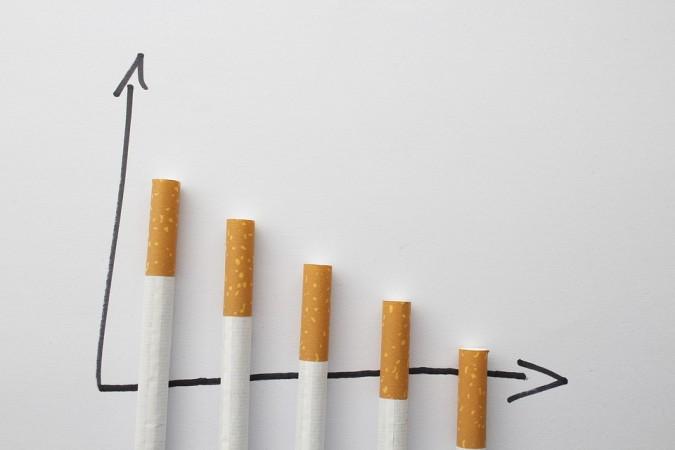
On January 1st, Indian tobacco companies experienced a decline in their stock prices due to the government's imposition of a new tax on cigarettes. This tax hike has made cigarettes more expensive for approximately 100 million smokers in India, the most populous country in the world. ITC, a prominent player in the market with brands like Gold Flake, saw its shares drop by 4.4%. Similarly, Godfrey Phillips India, the distributor of Marlboro in the country, witnessed a decline of 7.7%. At 385.25 rupees per share, ITC was trading at its lowest level since June 2024 and was on track for its worst day since February 2022.
The impact of the tax was evident across various indices. ITC emerged as the top loser on the Nifty 50 index and led declines on the FMCG index, which was trading 1.6% lower. The Ministry of Finance announced a new excise duty ranging from 2,050 to 8,500 rupees per 1,000 sticks, based on cigarette length, effective from February 1st.
Health-related issues associated with smoking have been identified as a significant burden on India's resources. Consequently, the government has taken measures such as implementing larger warning labels and periodic tax adjustments to reduce consumption.
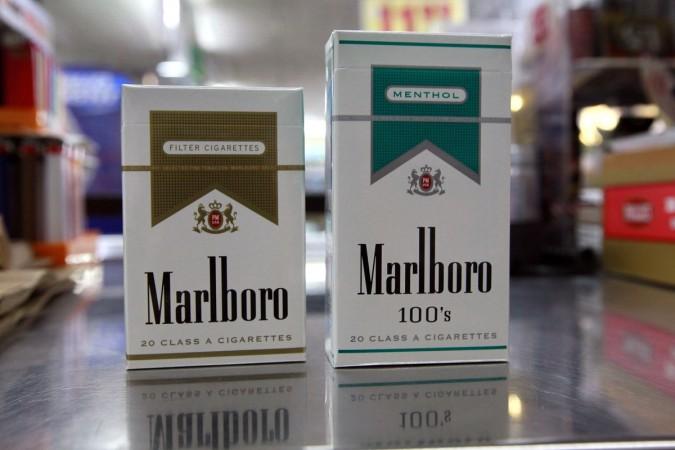
Analysts at ICICI Securities highlighted that the new duty would lead to an overall cost increase of 22% to 28% for 75-85 mm cigarettes. They also pointed out that cigarettes longer than 75 mm, accounting for approximately 16% of ITC's volumes, could experience price hikes of 2 to 3 rupees per stick due to the levy.
In addition to the existing 40% Goods and Services Tax, the new tax will be imposed according to the recent order. This development follows the government's approval of the Central Excise (Amendment) Bill 2025 in December, which replaces a temporary levy on cigarettes and tobacco products.
Although the government has not specified the direct impact of the duty revision on retail prices, analysts anticipate that higher taxes could prompt companies to raise prices. The economic standing of the tobacco industry and the habits of millions of smokers in India will likely be influenced by these recent tax changes. With the cost of cigarettes set to increase, individuals and businesses in this sector will need to adapt to the evolving regulatory landscape. The coming months will reveal how the market and consumers respond to these developments.