
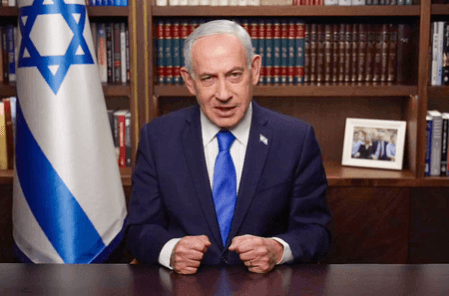
Israeli Prime Minister Benjamin Netanyahu said that Israel will maintain a 10-km security zone in southern Lebanon even after the ceasefire with Hezbollah takes effect, citing security concerns.
His remarks came after US President Donald Trump announced a 10-day ceasefire between Israel and Lebanon, agreed upon by Netanyahu and Lebanese President Joseph Aoun. The truce began at midnight between Thursday and Friday, aiming to halt over a month of escalating violence that has reportedly claimed more than 2,000 lives.
In a videotaped statement, Netanyahu said he had rejected Hezbollah's demand for a full Israeli withdrawal to the international border. Instead, Israeli forces will remain in a buffer zone inside southern Lebanon to prevent cross-border attacks, including rocket fire and anti-tank strikes on northern Israeli communities.
He also described the moment as an opportunity for a "historic peace agreement" with Lebanon, revealing that Trump plans to host talks with both leaders in the coming weeks. Netanyahu outlined Israel's key demands for any long-term deal — the disarmament of Hezbollah and a lasting peace agreement.
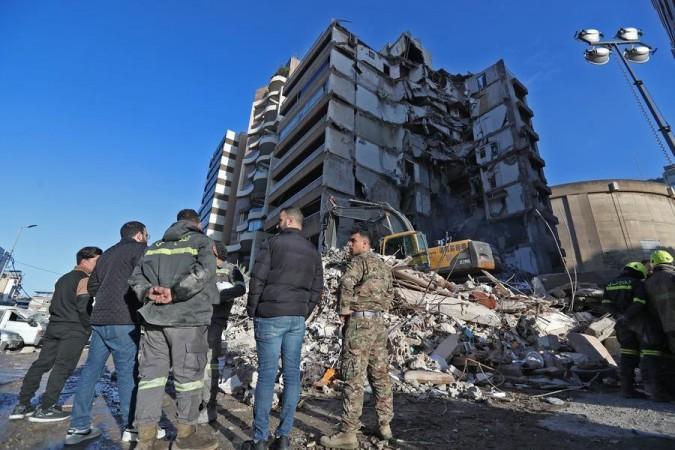
On the ground, tensions remained high even in the final hours before the ceasefire. Israel's military said it carried out strikes on more than 380 Hezbollah targets in southern Lebanon, while Israel's emergency service reported that rockets were fired from Lebanon, injuring three people shortly before the truce began.
Trump indicated that upcoming talks at the White House could mark the first high-level engagement between Israel and Lebanon in over four decades. He expressed optimism about reaching an agreement, stating that Lebanon could take steps to address Hezbollah's role.
The ceasefire is expected to temporarily pause hostilities triggered by Israel's operations against Iran-backed Hezbollah. While Lebanon is not formally at war with Israel, Hezbollah's control over parts of southern Lebanon and its attacks on Israeli territory have led to repeated retaliatory strikes.
The durability of the truce remains uncertain and will likely depend on whether both sides, including Hezbollah, refrain from further escalation during the ceasefire period.
(With inputs from IANS)







![Alia Bhatt looks sexy in beachwear, enjoys girls' getaway in Spain; changes her Instagram DP [Photos]](https://data1.ibtimes.co.in/en/full/839220/alia-bhatt-looks-sexy-beachwear-enjoys-girls-getaway-spain-changes-her-instagram-dp-photos.jpg?w=220&h=138)