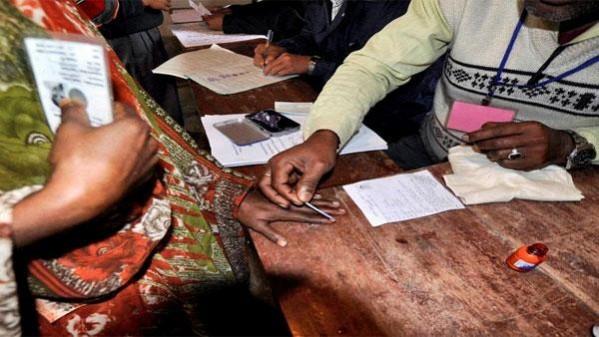
The much-delayed process for holding Panchayat and Urban Local Bodies (ULB) elections in the Union Territory of Jammu and Kashmir has moved a step closer, with the appointment of the State Election Commissioner (SEC) now imminent.
The absence of the SEC, which had emerged as a major impediment to the conduct of grassroots-level elections in the Union Territory, is set to be addressed shortly. If circumstances permit, the selection committee headed by Chief Minister Omar Abdullah is likely to convene its first meeting next week to finalise the appointment.
The post of State Election Commissioner has remained vacant since April this year, following the completion of the tenure of B.R. Sharma. The SEC is the constitutional authority responsible for conducting Panchayat and Municipal elections in Jammu and Kashmir.
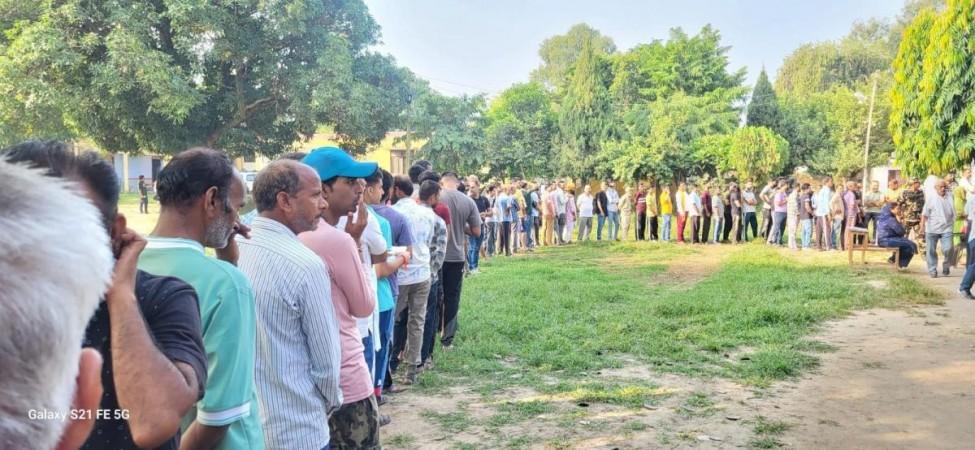
According to officials, the selection committee comprises Chief Minister Omar Abdullah, Assembly Speaker Abdul Rahim Rather, Rural Development Minister Javed Ahmed Dar, Leader of the Opposition Sunil Sharma, and Social Welfare Minister Sakina Itoo. During its maiden meeting, the committee is expected to finalise a panel of names, from which a suitable candidate will be selected and recommended to the Lieutenant Governor for appointment.
Sources revealed that three retired IAS and IPS officers are currently under consideration for the post.
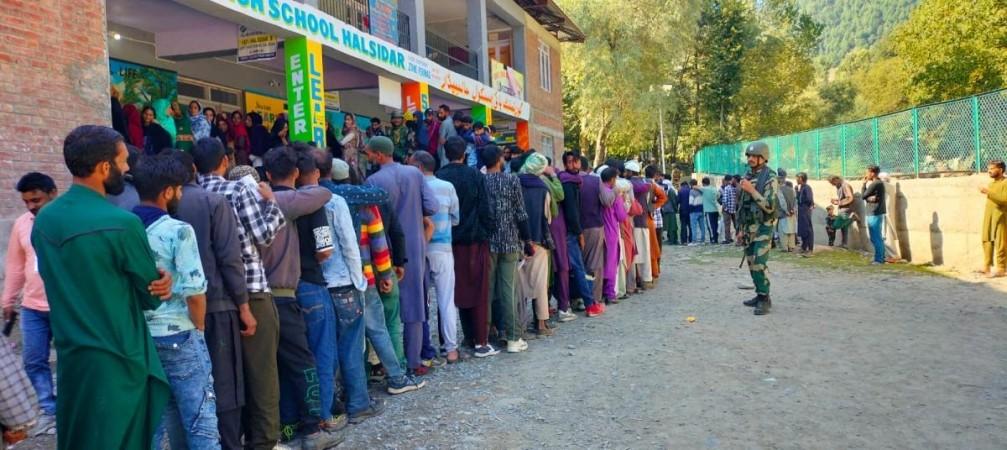
Tenure of ULBs ended two years ago
It is pertinent to note that the tenure of Urban Local Bodies across the Union Territory of Jammu and Kashmir ended in November 2023, while the term of Panchayats concluded in January 2024. The elections were deferred due to the prevailing security situation and the pending implementation of Other Backward Classes (OBC) reservation in municipal bodies and Panchayati Raj institutions. The process was further delayed after the SEC post fell vacant in April.
Recently, the government amended the relevant legislation to raise the upper age limit for the SEC from 65 to 70 years, paving the way for a wider pool of eligible candidates. Officials associated with the State Election Commission and the Rural Development and Panchayati Raj Department said that most of the preparatory work for Panchayat elections is already in place.
Following the appointment of the SEC, the election process is expected to gather momentum, with polls likely to be held in February or March, subject to the prevailing situation. Officials also noted that the tenure of the District Development Councils (DDCs) is set to expire in January 2026.
After the expiry of the tenures of Panchayats and Urban Local Bodies, administrative control at these levels has been managed by government-appointed officials—a situation that has raised questions about accountability and citizen participation in decision-making.
Local residents, particularly in rural and semi-urban regions, have voiced frustration over the lack of representation and limited avenues to address grievances.
Developmental initiatives, community welfare programmes, and infrastructure projects at the grassroots level have reportedly suffered due to the absence of elected bodies. Public service delivery and grievance redressal mechanisms have weakened, leaving citizens with limited recourse to influence policy or raise local concerns.
Political observers believe that these elections could reshape local governance dynamics and strengthen public trust in the democratic process. However, challenges remain, particularly in addressing security concerns and ensuring wide participation across remote regions.