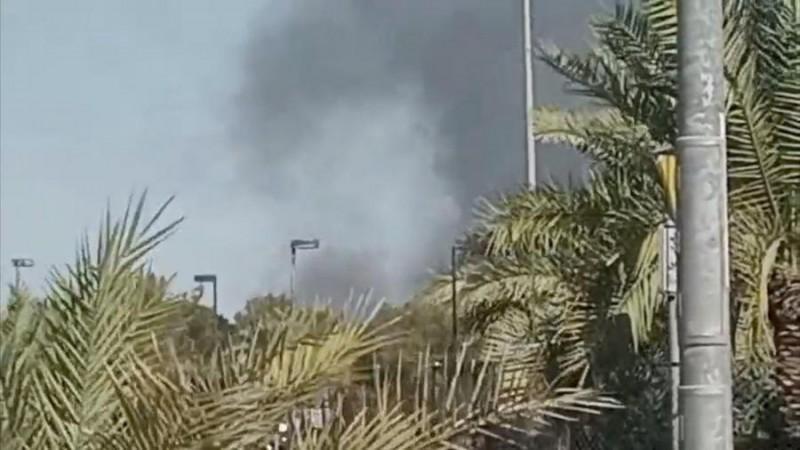
Loud explosions were reported across multiple Iranian cities, including the capital Tehran, early Monday after Israel said it had targeted military sites inside Iran. The strikes came despite US President Donald Trump's public efforts to prevent further escalation between the two regional rivals.
The latest flare-up follows Iran's missile attack on Israel late Sunday night, marking the first direct confrontation between the two sides since the April 8 ceasefire. Tehran said it launched ballistic missiles in response to Israeli strikes on Beirut and ongoing military operations in Lebanon.
According to Iranian media reports, explosions were heard in Tehran, including areas near Mehrabad International Airport, as well as in the cities of Isfahan and Tabriz. Shortly afterward, Israel confirmed that it had carried out strikes against Iranian military targets.
Iran's Revolutionary Guards (IRGC) claimed that Israel used air-launched ballistic missiles to attack targets inside the country. The exchange of fire has intensified fears of a broader regional conflict and triggered a sharp rise in global oil prices, with Brent crude futures climbing more than 3 per cent to trade above $96 per barrel.
Trump Urges Restraint
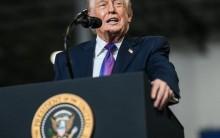
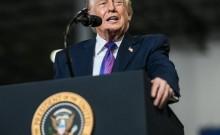
Amid the escalating tensions, Trump insisted that diplomatic efforts with Iran remain on track and urged Israeli Prime Minister Benjamin Netanyahu to avoid retaliatory action.
In an interview with the Financial Times, Trump said the latest developments would not derail ongoing negotiations with Tehran.
"It's not going to have any impact on the deal," Trump said. "I call the shots. He doesn't call the shots."
According to Reuters, Trump spoke with Netanyahu by phone for nearly 30 minutes on Sunday. Axios later reported that the US President urged the Israeli leader to refrain from additional military action, telling him that Washington was "close to doing something good in terms of a deal."
Speaking to Israel's Channel 12, Trump reiterated his position, saying the Iranian missile strikes had not caused major damage and warning that another round of attacks could prolong the conflict.
"Israel had its strike and Iran had its strike. We don't need another one," Trump said.
Lebanon at the Centre of the Crisis
At the heart of the latest escalation lies Lebanon, where Israel has continued military operations against Hezbollah despite a ceasefire agreement reached earlier this week.
Iran has repeatedly argued that any broader peace arrangement with the United States must include an end to Israeli military actions in Lebanon. Tehran views Lebanon as a key component of any lasting regional settlement.
Iran's Khatam al-Anbiya military headquarters accused Israel of crossing "all red lines" through continued strikes on Beirut's southern suburbs, known as Dahiyeh.
"We had previously warned that if the crime in the suburbs of Beirut spreads, we will attack targets in the occupied territories," the military command said in a statement.
The group further warned that any expansion of Israeli attacks or retaliation against Iran would result in "more crushing and regrettable blows."
Rising Casualties and Threats
Israel's latest strikes on Beirut reportedly killed at least two people and injured 11 others in a densely populated civilian neighbourhood. Israeli Prime Minister Benjamin Netanyahu and Defence Minister Israel Katz said the operation targeted a Hezbollah command centre.
Meanwhile, Iran's Parliament Speaker and senior negotiator Mohammad Bagher Ghalibaf warned that Tehran would not only continue negotiations but also confront any violations of the ceasefire directly.
Since Israel launched its Lebanon campaign in March, more than 3,500 people have reportedly been killed, according to Lebanese authorities.
What's Next?
The exchange of strikes has raised concerns that the fragile ceasefire could collapse completely, drawing Iran, Israel and their regional allies into a wider conflict. While Washington continues to push for a diplomatic breakthrough, both Tehran and Tel Aviv have signalled readiness for further action, keeping the region on edge.