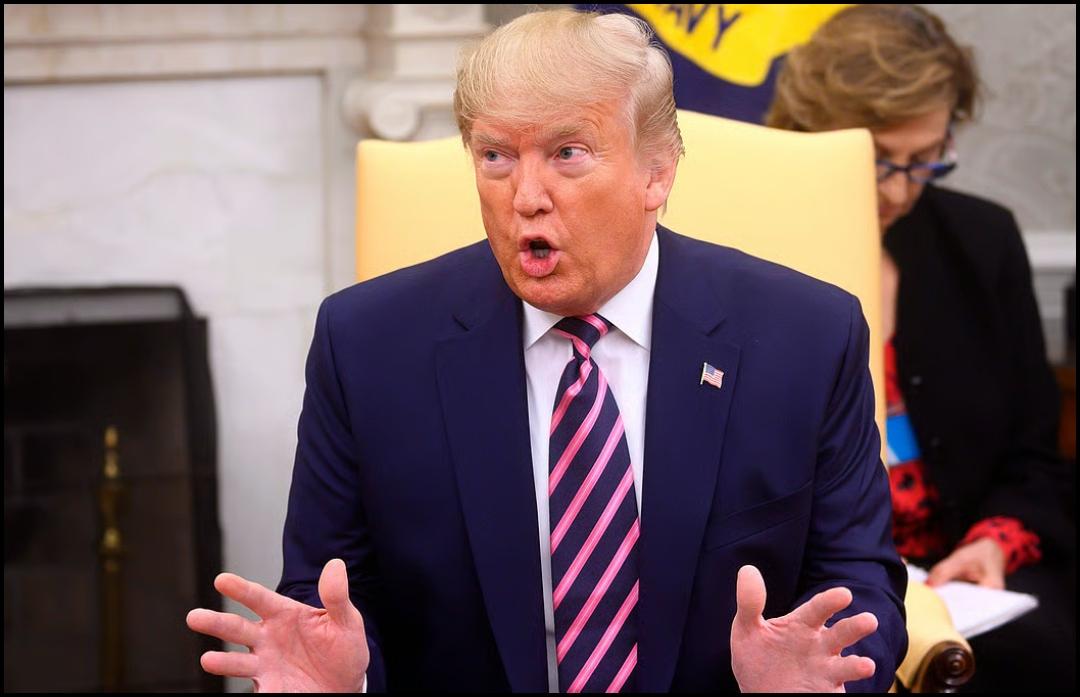
US President Donald Trump took to his Truth Social account on April 20 to clarify speculation around whether Israel influenced his decision to go to war with Iran.
In a strongly worded post, Trump rejected claims that Israeli Prime Minister Benjamin Netanyahu or pro-Israel lobbies pushed him into the conflict. Instead, he said his decision was shaped by two key factors — the October 7 attack and his long-standing stance that Iran must never acquire nuclear weapons.
What Trump said
Trump wrote that "Israel never talked me into the war with Iran," adding that the October 7 events reinforced his already firm belief on Iran's nuclear threat. He also lashed out at the media, accusing "fake news pundits and polls" of spreading misinformation and repeating his claim that the 2020 US election was rigged.
He struck an optimistic note about Iran's future, saying that if there is a regime change and "new leaders are smart," the country could become prosperous.
What happened on October 7
The reference is to the October 7 attacks, when Hamas launched a large-scale हमला from Gaza, killing around 1,200 people and taking over 250 hostages. It marked the deadliest day in Israel's history since its founding.
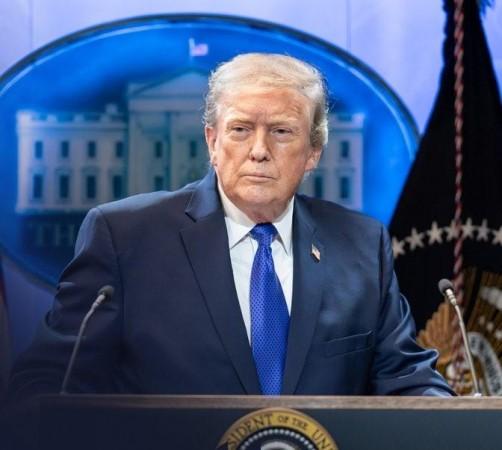
This attack significantly escalated tensions in the region and has been repeatedly cited by Trump as a turning point in shaping US policy towards Iran and its allies.
Trump:
— Clash Report (@clashreport) April 20, 2026
Israel never talked me into the war with Iran, the results of Oct. 7th, added to my lifelong opinion that IRAN CAN NEVER HAVE A NUCLEAR WEAPON, did.
I watch and read the FAKE NEWS Pundits and Polls in total disbelief. 90% of what they say are lies and made up stories,… pic.twitter.com/UunCVovLYl
Why this matters
Trump's clarification comes amid growing claims that the US entered the Iran conflict under Israeli pressure. His statement attempts to shift the narrative — positioning the decision as rooted in security concerns and long-held policy rather than external influence.
At the same time, tensions remain high in West Asia, with ongoing conflict, fragile diplomacy, and fresh talks expected. Reports suggest US Vice President JD Vance is heading to Pakistan for another round of negotiations with Iran after earlier talks failed to reach a breakthrough.

![Angry Jaya Bachchan pushes journalist's mic away during INDIA bloc protest [watch]](https://data1.ibtimes.co.in/en/full/839178/angry-jaya-bachchan-pushes-journalists-mic-away-during-india-bloc-protest-watch.jpg?w=220&h=135&l=50&t=40 "Angry Jaya Bachchan pushes journalist's mic away during INDIA bloc protest [watch]")




![Angry Jaya Bachchan pushes journalist's mic away during INDIA bloc protest [watch]](https://data1.ibtimes.co.in/en/full/839178/angry-jaya-bachchan-pushes-journalists-mic-away-during-india-bloc-protest-watch.jpg?w=220&h=138)



![Angry Jaya Bachchan pushes journalist's mic away during INDIA bloc protest [watch]](https://data1.ibtimes.co.in/en/full/839178/angry-jaya-bachchan-pushes-journalists-mic-away-during-india-bloc-protest-watch.jpg?w=220&h=135)