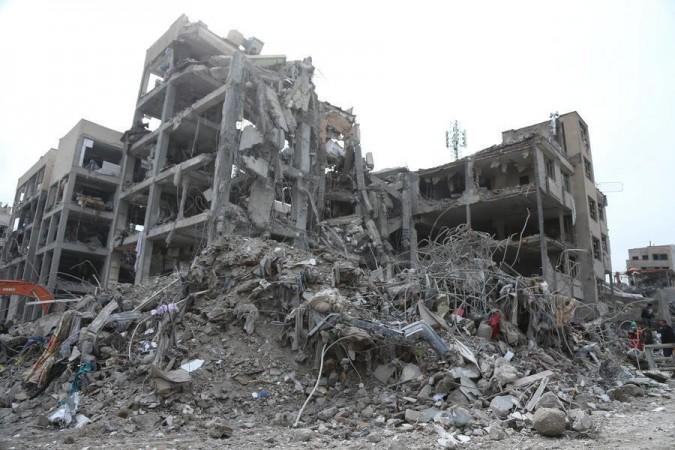
The ongoing US war against Iran has cost approximately $25 billion so far, a senior Pentagon official told lawmakers, as the conflict enters its second month.
Acting Pentagon Comptroller Jules Hurst III informed the House Armed Services Committee that the expenditure has been largely driven by munitions, along with operations, maintenance and equipment replacement costs.
"Approximately, on this day, we're spending about $25 billion on Operation Epic Fury," Hurst said, testifying alongside Defence Secretary Pete Hegseth and Chairman of the Joint Chiefs of Staff Dan Caine.
Earlier briefings had indicated that the Trump administration spent over $11.3 billion in just the first six days of the conflict, highlighting the rapid escalation in costs.
During the hearing, Republicans largely backed President Donald Trump's decision to launch military action, while Democrats raised sharp questions over the war's strategy, rising costs, and its impact on US citizens. Hegseth, however, dismissed criticism as political and declined to comment on how long the conflict may last or its final cost.
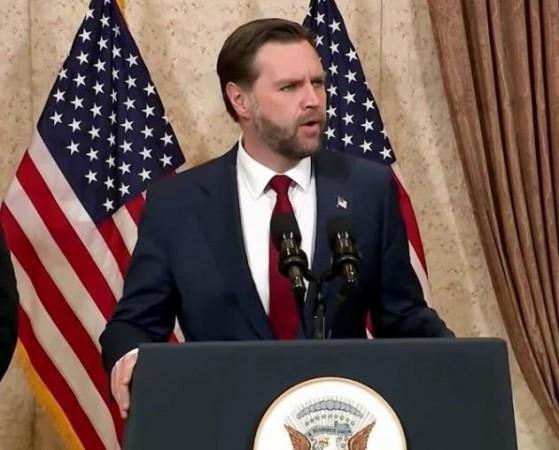
He also defended the Pentagon's proposed $1.5 trillion defence budget for FY2027, saying it would ensure the US maintains military superiority amid growing global threats.
JD Vance flags concerns over war narrative and military readiness
Meanwhile, US Vice President JD Vance is reportedly raising serious concerns about how the war is being presented within the government.
According to a report by The Atlantic, Vance fears that President Trump may not be receiving a complete or accurate picture of the situation on the ground. He has privately questioned whether Pentagon briefings fully reflect realities of the conflict.
A key concern for Vance is the state of US missile stockpiles, including:
- Interceptor missiles
- Tomahawk cruise missiles
- Joint air-to-surface standoff missiles
Officials say these reserves have been strained due to prior military support to Ukraine and Israel, coupled with slow production rates.
'Incomplete picture' and ongoing risks
Internal defence assessments reportedly suggest that official narratives may be overly optimistic. Intelligence inputs indicate that Iran still retains:
- A significant portion of its air force
- Most of its missile launch systems
- Notable naval capabilities
These findings point to a more complex and balanced conflict than publicly projected.
Despite his private doubts, Vance has continued to publicly support the administration, while actively questioning strategy and preparedness in closed-door meetings. Known for his anti-war stance, he has repeatedly cautioned against prolonged foreign military engagements.
No final peace yet
The conflict has seen cycles of escalation and temporary ceasefires, but no lasting peace agreement has been reached so far. Talks, including those held in Islamabad, have failed to produce a breakthrough.
Meanwhile, the war continues to impact global energy markets, particularly due to tensions around key oil shipping routes.