Iran has launched a new system requiring ships to seek permission before passing through the Strait of Hormuz, escalating tensions with the United States amid an ongoing maritime standoff. State-run media described the move as a "sovereign governance system" aimed at regulating traffic through the strategic waterway, through which nearly 20 per cent of the world's oil and gas supplies pass.
Under the new rules, vessels must obtain clearance via email from Iranian authorities before entering the strait. Tehran has hardened its stance since February 28, when it announced restrictions on ships linked to Israel and the United States following joint strikes on Iranian territory. Iran's parliament is also considering legislation to formalise restrictions on Israeli- and US-linked vessels while imposing tolls on other ships.
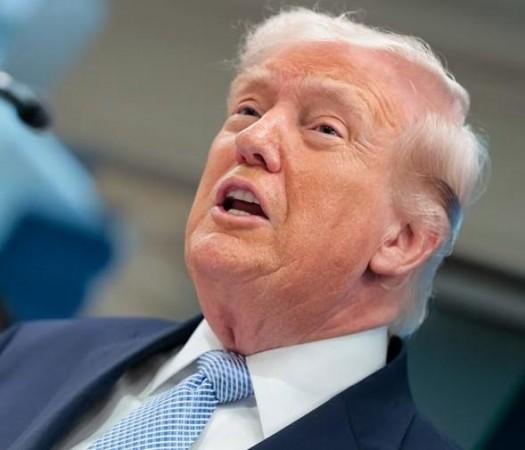
The move comes as US President Donald Trump announced "Project Freedom", under which the United States would begin escorting ships through the Strait of Hormuz. In response, Iran's Khatam al-Anbiya Central Headquarters warned that any foreign military forces attempting to enter the waterway would face attack.
Meanwhile, a group of 13 Democratic US senators has urged the Trump administration to reverse a temporary waiver easing sanctions on Russian oil exports. In a letter to Treasury Secretary Scott Bessent, lawmakers argued that rising global energy prices triggered by tensions around Iran and the Strait of Hormuz have significantly boosted Russian oil revenues.

Led by Senator Michael Bennet and backed by senators including Elizabeth Warren and Adam Schiff, the group said the administration's decision to pause sanctions on Russian oil shipments had weakened pressure on Moscow while increasing profits for Russian President Vladimir Putin.
The senators warned that elevated oil prices have pushed up US gasoline costs and strengthened Russia's ability to finance its war in Ukraine. They also criticised the administration for quietly extending the sanctions waiver despite earlier indications it would expire.
(With inputs from IANS)