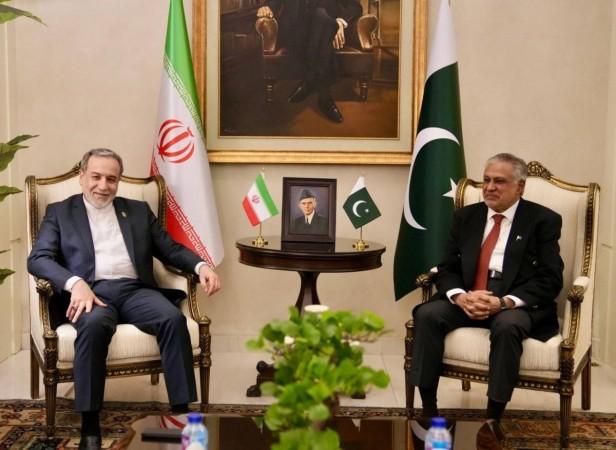
Iran has ruled out direct talks with the United States for now, opting instead to communicate through Pakistan as a mediator. The development comes as Abbas Araghchi arrived in Islamabad on Friday with a senior delegation, signalling renewed diplomatic activity despite stalled negotiations with Washington.
Warm reception in Islamabad
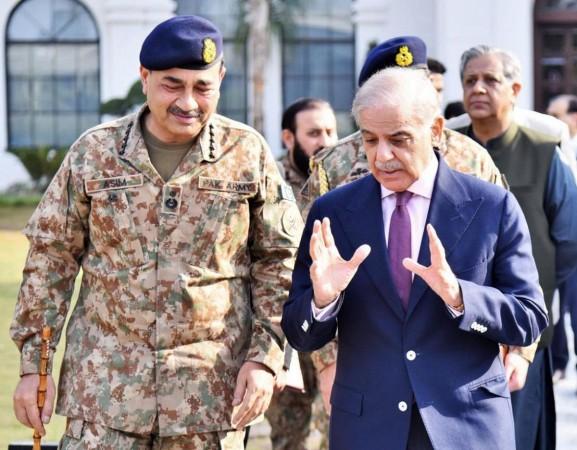
Pakistan's Foreign Minister Ishaq Dar received the Iranian delegation at the airport, accompanied by Army Chief Asim Munir and Interior Minister Mohsin Naqvi. Dar later shared visuals of the استقبال on X, underscoring Islamabad's central role in ongoing diplomatic efforts.
Iran's Foreign Ministry spokesperson Esmaeil Baqaei clarified that no direct meeting between Iranian and U.S. officials is planned during this visit. He stated that Tehran's concerns would be conveyed to Washington through Pakistani channels, as part of efforts to counter what Iran described as an "American-imposed war of aggression."
Talks aimed at de-escalation
Araghchi is expected to hold multiple meetings with senior Pakistani officials as part of Islamabad's mediation efforts to reduce tensions and revive diplomatic engagement between Tehran and Washington.
We arrive in Islamabad, Pakistan, for an official visit. FM Araghchi will be meeting with Pakistani high-level officials in concert with their ongoing mediation & good offices for ending American imposed war of aggression and the restitution of peace in our region.
— Esmaeil Baqaei (@IRIMFA_SPOX) April 24, 2026
No meeting… pic.twitter.com/1vP51xIoep
U.S. envoys to join talks
Meanwhile, the U.S. is stepping up its outreach. According to White House Press Secretary Karoline Leavitt, President Donald Trump has dispatched Special Envoy Steve Witkoff and Jared Kushner to Pakistan. The envoys are expected to participate in talks mediated by Islamabad, highlighting its growing role as a diplomatic bridge.
Pakistan's role under scrutiny
Amid these developments, Pakistan's diplomatic efforts have drawn criticism. A report by India Narrative described Islamabad's approach—led by Asim Munir—as "drama diplomacy," suggesting it is largely a face-saving exercise following the collapse of the first round of U.S.-Iran talks.
According to the report, a second round of negotiations appears fragile, with Iran unwilling to engage directly with the U.S. It argues that Pakistan is attempting to project itself as a key player in Gulf conflict management, despite having limited influence.
The broader strategic picture remains complex. Both the U.S. and Iran continue to pursue maximalist demands, leaving little room for compromise. While Washington relies on pressure tactics, Iran's asymmetric capabilities provide it with leverage to resist coercion.
The report concludes that diplomacy in the current context lacks balance and flexibility, delaying any meaningful resolution. For Pakistan, even its limited role as an intermediary is at stake, with concerns that a complete breakdown in talks could undermine its credibility in the region.