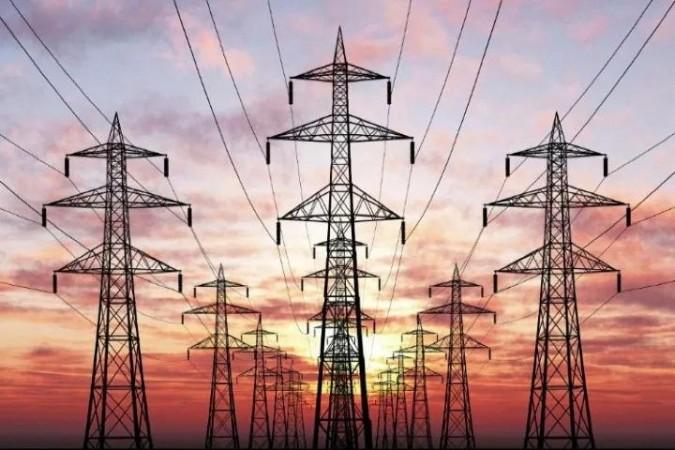
India's transmission and distribution (T&D) sector is undergoing a transformation of global significance. Driven by robust government investment, cutting-edge technology adoption, and strong private sector engagement, India is positioning itself among the world's leading power transmission markets. At present, India's transmission network spans nearly 495,000 circuit kilometers with transformation capacity exceeding 1.35 million MVA, reflecting an inter-regional capacity surge of over 230% since 2014. Its ambitious target to expand the transmission network to 650,000 circuit km by 2032 and integrate 600 GW of renewable energy exemplifies a historic growth trajectory that rivals global leaders.
Leading the charge are powerhouse Indian companies securing major orders and redefining infrastructure excellence. Transrail Lighting recently clinched Rs 548 crore in orders, marking its maiden MENA country EPC transmission project with cumulative FY26 orders now exceeding Rs 4,200 crore. KEC International bolstered its order book with Rs 1,016 crore in fresh contracts while Skipper Ltd locked in Rs 1,135 crore in orders, guided by a vision to double revenue in three years.
Kalpataru Projects International Ltd (KPIL), a dominant player in high-voltage transmission and substations, strengthened its portfolio with orders worth over Rs 2,300 crore in 2025, bringing its FY26 cumulative orders near Rs 15,000 crore. Highly specialized, RS Infraprojects Pvt. Ltd. remains a stalwart in tower manufacturing and transmission lines with multiple completed projects. RS Infraprojects Pvt. Ltd. has secured a significant transmission system contract valued at Rs 367 crore in Madhya Pradesh for evacuating power from renewable projects in Rajgarh and Neemuch SEZs.
The project involves establishing substations, augmenting transformer capacity, and constructing transmission lines under a BOOT model with a 24-month execution and a 35-year operation and maintenance horizon. This contract exemplifies RS Infra's growing presence in renewable integration and its role in India's grid modernization.
India's T&D sector exemplifies an intellectual and technological leap with accelerated adoption of world-class High-Voltage Direct Current (HVDC) lines, Flexible AC Transmission Systems (FACTS), Dynamic Line Rating (DLR), and smart meters that augment system efficiency, reliability, and resilience. The government's flagship Green Energy Corridor scheme, backed by nearly ₹9 lakh crore in investments planned through 2032, aims to seamlessly evacuate renewable energy from remote yet resource-rich locations to demand centers, ensuring power quality and stability on par with international standards.
Nevertheless, India confronts systemic challenges that require masterful resolution. Supply chain constraints particularly for high-grade steel and other raw materials alongside workforce skill shortages, remain persistent. Regulatory and logistical bottlenecks such as right-of-way acquisition and land clearances slow deployment rates.
Moreover, the absence of unified standardization continues to create inefficiencies in design and execution. India's response includes a multi-pronged strategy emphasizing innovation and R&D investments, policy reforms to rationalize tariffs, technological self-reliance initiatives aiming to reduce foreign technology dependence, and programs focused on skill development tailored to the evolving digital and renewable grid landscape.
India's T&D infrastructure is poised to play a defining role in the global green energy transition. By 2035, India's T&D market is expected to grow at a compound annual growth rate (CAGR) of approximately 4.2%, driven by urbanization, escalating power demand, and integration of renewables. Its leadership in cross-border power interconnections, digitalization of grids through AI-driven monitoring and predictive analytics, and strategic alignment with climate goals position India as a pivotal force in achieving sustainable and equitable energy access at an unprecedented scale.
In sum, India is not only expanding the quantum of its transmission and distribution capabilities but is fusing innovation, policy foresight, and business acumen to build a resilient, efficient, and future-ready electricity grid. This narrative of ambition and execution places India on the path to becoming a global exemplar of energy infrastructure modernization, generating insights and benchmarks critical for economies worldwide navigating their own energy transitions.
[Major General Dr. Dilawar Singh, IAV, is a distinguished strategist having held senior positions in technology, defence, and corporate governance. He serves on global boards and advises on leadership, emerging technologies, and strategic affairs, with a focus on aligning India's interests in the evolving global technological order.]