Six senior Indian officials have issued a coordinated warning in the space of one week. External shocks are intensifying, and India must prepare. Between September 22 and 30, 2026, External Affairs Minister S. Jaishankar, Principal Secretary P.K. Mishra, Chief Economic Advisor V. Anantha Nageswaran, Principal Secretary-2 Shaktikant Das, RBI Deputy Governor Poonam Gupta and Petroleum Minister Hardeep Singh Puri all spoke on the same theme: the benign external environment that supported India's growth is ending.
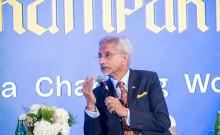
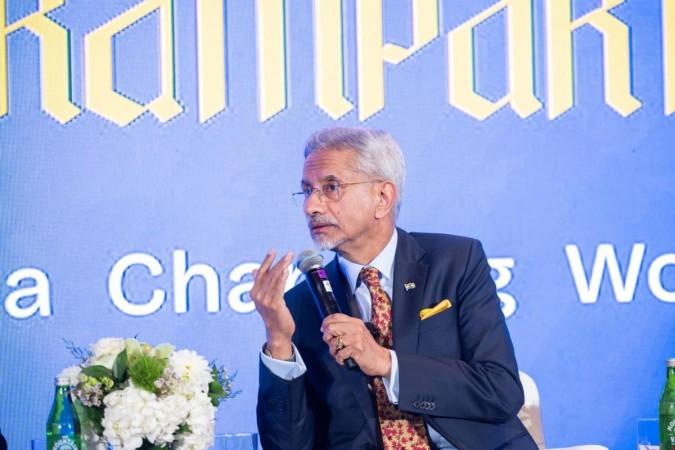
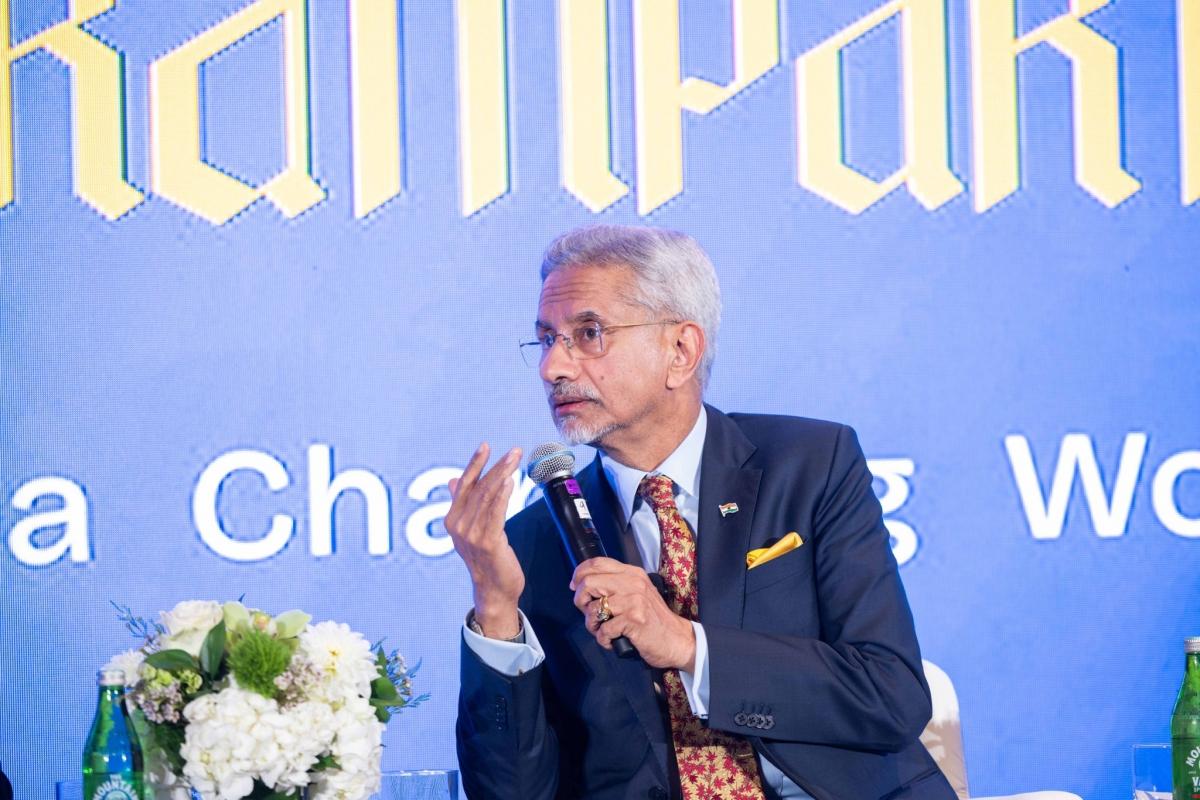
Jaishankar was the most explicit. At the UN High-Level Week in New York, he said the Ukraine conflict and Iran-Gulf crisis have disrupted grain shipments through the Black Sea and fertilizer production in West Asia and Russia. "We are looking at a very, very stressful situation," he told the Asia Society, framing a compounding "4F" crisis of fuel, food, fertilizer and finance for the Global South. He was not predicting famine in India, which remains self-sufficient in foodgrains. But as a major importer of energy and fertilizer, India cannot ignore global price spikes or logistical bottlenecks.
Mishra and Nageswaran filled in the domestic implications. At the SBI Banking and Economics Conclave, Mishra listed four risks: fragmented alliances, weaponized supply chains, import dependence and trade deficits, fickle capital, and the unfolding impact of artificial intelligence. "We cannot count on friendly tailwinds," he said. Nageswaran flagged unsettled US ties, volatile energy prices and the absence of a large-scale domestic AI capital play as near-term headwinds.
Shaktikant Das added a Global South perspective. Launching the India and Emerging Economic Order Forum on September 29, he said, "India's economic strategy has been guided by the principles of macroeconomic and financial stability, structural reforms, infrastructure creation, industrial development, and global integration." He called for deeper cooperation among developing economies on trade, technology, finance and supply chains.
Poonam Gupta offered a monetary and external-sector view. At the same SBI conclave, she said India has faced tariff, oil, El Niño and AI-outflow shocks simultaneously yet posted 7.8 percent growth. She described AI specifically as an "unspent force" for India, arguing the country will leverage AI's potential going forward much as it has leveraged digital innovation previously, while working to avoid the associated risks. She also said there is a "fair case" for the rupee to appreciate from current levels as the current account deficit shrinks and capital flows improve.
Hardeep Singh Puri addressed energy security. At the curtain-raiser for India Energy Week 2027 in Kolkata on September 28, he said, "When you consider everything, we have the capacity for more than eighty days of storage." He noted India has diversified crude sourcing to 41 countries and expanded refining capacity, import terminals and fuel outlets.
The manner of communication matters. In India's present system, major strategic diagnoses rarely emerge in isolation. When these six officials speak in close succession and in similar register, the convergence reflects a shared reading from the highest level. This aligns with Prime Minister Modi's style: aides and ministers articulate sober diagnoses of structural constraints, while the Prime Minister frames the same themes through national resolve, self-reliance and long-term ambition. The effect is seriousness without alarmism that could unsettle markets.
Treating these statements as political theatre understates their coherence. External pressures of this magnitude would confront any Indian government. The question is whether the diagnosis is matched by sustained preparation. Domestic growth drivers, competitive manufacturing, infrastructure, urbanization and skills, must carry more of the load. Strategic stocks of oil, fertilizer and critical inputs need steady expansion. Partnerships must broaden, not narrow. On AI, early investment in compute, data infrastructure, talent and applications will determine whether India captures value or absorbs disruption. Capital mobilization demands policy stability, deeper domestic markets and credible long-term frameworks.
India has navigated external shocks under different governments with macroeconomic stability and poverty reduction few major economies matched. The coming period will be harder because the external environment is less forgiving. Candid diagnosis from the centre can be treated as strength or as a nuanced warning to brace for challenges. The test is collective: convert recognition into disciplined, evidence-based preparation so resilience becomes the foundation for progress, not a defensive necessity. When senior officials speak this plainly, the responsible response is serious attention to the work that follows.
[Major General Dr. Dilawar Singh, IAV, is a distinguished strategist having held senior positions in technology, defence, and corporate governance. He serves on global boards and advises on leadership, emerging technologies, and strategic affairs, with a focus on aligning India's interests in the evolving global technological order.]