India's diplomatic outreach is helping safeguard the country's energy security amid the ongoing Middle East crisis, even as the government pushes ahead with a major transition towards cleaner fuel usage through the expansion of piped natural gas (PNG) networks.
With nearly 50 per cent of India's crude oil imports, 68 per cent of LNG imports and over 85 per cent of LPG supplies typically passing through the Strait of Hormuz, any disruption in the region poses a significant risk to the country's economy, fertiliser production, power generation and fuel availability.
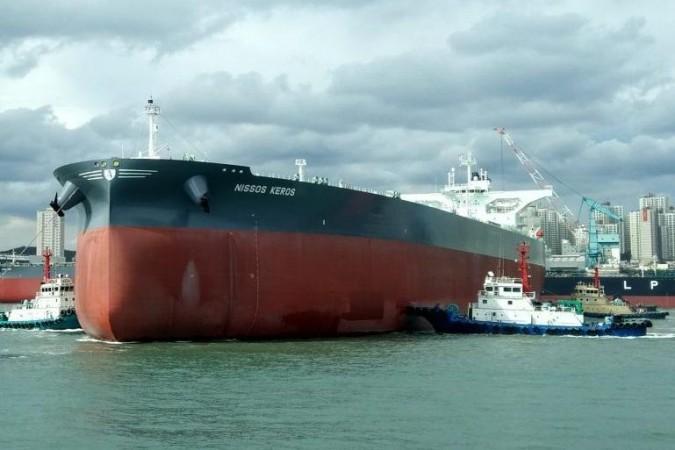
According to an article by the Centre for Peace Studies (CPS), India has actively pursued diplomatic channels to protect its interests amid the Iran conflict. Following multiple engagements between External Affairs Minister S. Jaishankar and Iranian Foreign Minister Abbas Araghchi, Iran allowed several Indian-flagged vessels, including Shivalik Nanda, Devi, Piramal and Pushpak, to safely transit through the Strait of Hormuz.
The report also noted that the Trump administration's waiver allowing India to continue purchasing Russian oil could provide temporary relief. India's Strategic Petroleum Reserve can sustain emergency crude requirements for around 10 days, while total national and commercial storage capacities can extend supplies for up to 74 days.
Beyond energy, Iran remains strategically important for India's outreach to Central Asia through projects such as the Chabahar Port and the International North-South Transport Corridor, which is viewed as a counterbalance to China's Belt and Road Initiative.
However, the prolonged conflict continues to pose economic risks. Brent crude prices have crossed $100 per barrel, raising concerns over higher transport and manufacturing costs, widening trade deficits and pressure on corporate margins. A slowdown in Gulf economies could also affect remittances from over nine million Indians working in the region, while Indian airlines face rising fuel costs and airspace disruptions.
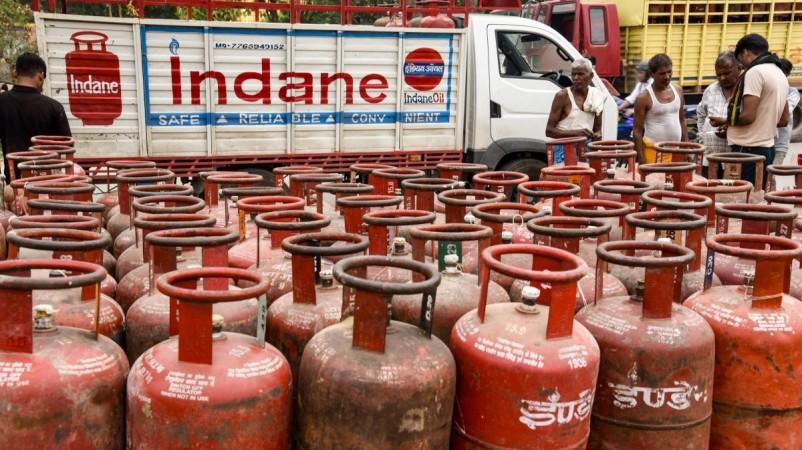
Amid these global uncertainties, the government is simultaneously accelerating its clean energy push. Over 80,400 consumers have surrendered their LPG connections through the MYPNGD.in portal as part of efforts to expand the city gas distribution (CGD) network and promote piped natural gas adoption.
The government said domestic PNG and CNG transport users continue to receive 100 per cent gas supply, while operating urea plants are receiving around 98 per cent of their average gas consumption. Supply to industrial and commercial users has also been increased to 80 per cent.
To encourage a shift away from LPG, CGD entities have been directed to prioritise PNG connections for hotels, restaurants and canteens. Twenty-two states and Union Territories are currently receiving an additional 10 per cent commercial LPG allocation linked to progress in PNG expansion.
The Centre has also introduced the Natural Gas and Petroleum Products Distribution Order, 2026, to streamline approvals and speed up pipeline infrastructure development. Under the extended National PNG Drive 2.0, now running until June 30, 2026, around 8.82 lakh PNG connections have already been activated, infrastructure for another 2.98 lakh connections has been created, and nearly 8.98 lakh consumers have registered for new PNG connections.
The twin developments highlight India's strategy of combining diplomatic engagement to secure critical energy imports with long-term efforts to reduce dependence on conventional fuels through wider adoption of cleaner natural gas.