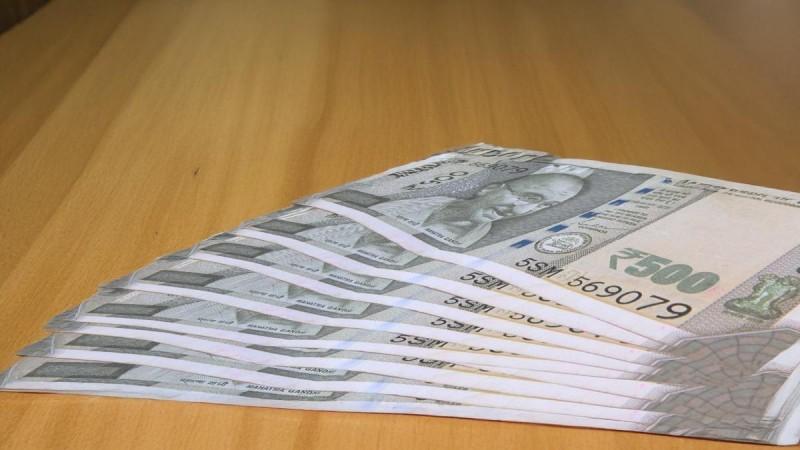
The Indian rupee rose for the second consecutive session on Monday from new lows amid continuous intervention by the Reserve Bank of India (RBI).
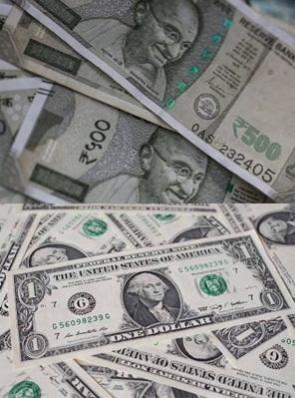
The currency opened 24 paise higher at 89.41 against the US dollar after closing at 89.65 on December 19.
Analysts noted that volatility remains the main focus amidst rupee's comeback and follow‑through in RBI actions and global dollar moves remains crucial in near future.
Currency market watchers said 89.20 has emerged as a crucial level and a sustained break below this could open the door toward the 88.50–88.30 zone in the near term.
The rupee's rise could have gained support from the lower trade deficit in November and foreign portfolio investors turning buyers of Indian equity and sellers of dollars.
On Friday, the rupee had appreciated 0.67 per cent in a single day, rose past the psychologically important 90-mark against the US dollar before closing lower but emerged as the best‑performing currency among Asian peers.
Consistent foreign institutional investor (FII) selling weighed on the Indian rupee in November while domestic flows supported equity markets and bond yields hardened.
India's external balance improved as the merchandise trade deficit normalised to $24.5 billion in November from a steep $42 billion deficit in October.
Services surplus continued to cushion India's external balance, the report noted.
In December, FPIs were net sellers in nine of 11 trading days. Bank of Baroda, in a recent report, suggested that the rupee may remain volatile until a deal with the US is reached, possibly by March 2026.
The report from Bank of Baroda said that FPIs, spot interventions of RBI and changes in the forwards segment are significant when explaining currency shifts.
Daily current‑account flows, including IT receipts or remittance payments, and capital flows such as foreign direct investment and external commercial borrowings, also affect the market but are not captured daily, limiting direct linkage to rupee moves, the bank said.
(With inputs from IANS)