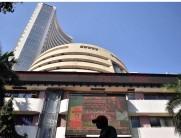
In a significant move that has rattled financial markets, the Indian rupee has breached the 91-mark against the US dollar, marking a historic low of 91.07. This unprecedented drop, attributed to a combination of external pressures and domestic economic factors, has raised alarms among investors and policymakers alike. As the central bank takes a hands-off approach amid low inflation levels—currently at a mere 0.71%—there are concerns about the potential for imported inflation to rise, particularly in crucial sectors such as energy. Foreign portfolio investors (FPIs) are also feeling the pinch, with net outflows exacerbating the currency's volatility. Despite the backdrop of resilient domestic consumption and an economy buoyed by strong fundamentals, the rupee's weakness has precipitated conversations around necessary policy interventions.
In the equity markets, caution reigns supreme amid the rupee's depreciation, reflected in a flat opening for the Nifty50 and BSE Sensex, which hovers near the 84,700 mark. Analysts are assessing the implications of weak economic indicators, particularly the HSBC Composite PMI that suggests business growth has slowed, indicating a moderation in economic activity. Such conditions, coupled with geopolitical tensions and global economic uncertainty, have contributed to a cautious trading atmosphere. A notable decline in Asian stock markets has added to the overall apprehension, with investors keenly awaiting critical US economic data that could influence market directions.
While the short-term outlook for the rupee appears challenging, some experts suggest that strategic agreements, such as a potential US-India trade deal, may pivot investor sentiments back in India's favor by 2026. However, until then, fears of increasing imported inflation loom large, further straining economic stability. The trajectory of India's GDP remains a focal point as well, with CareEdge recently upgrading its FY26 growth forecast to 7.5%, underscoring expectations for resilience amid slowing growth.
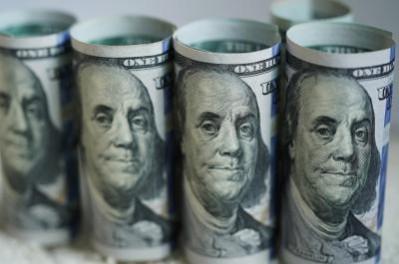
Despite the challenges, proponents of India's economic potential argue that favorable policies and increased foreign direct investment (FDI) could eventually stabilize the currency. Analysts are monitoring the domestic market closely, ensuring that India remains an attractive destination for long-term investors. The possibility of a recovery in the commercial real estate sector has also raised hopes, with easing inflation and lower interest rates projected, which could bolster the economy in the long run.
Striking a cautious note, however, economists emphasize the importance of addressing structural vulnerabilities that the depreciating rupee exposes. Continued efforts to enhance the inflation landscape and bolster foreign investments will be crucial for sustainable growth moving forward. As stakeholders digest the implications of the rupee's new low, the prevailing sentiment is one of pragmatism—a recognition that while challenges abound, there are also paths toward recovery and renewed economic strength.
In summation, India's financial markets are currently navigating tumultuous waters. The combination of a weak rupee, subdued business activity, and geopolitical tensions presents a complex landscape. Investors and policymakers alike remain vigilant, hoping for strategic interventions and a gradual return to stability, all while watching global developments closely. As we move forward, the balancing act between growth and stability will define the economic narrative in India for the years to come.