
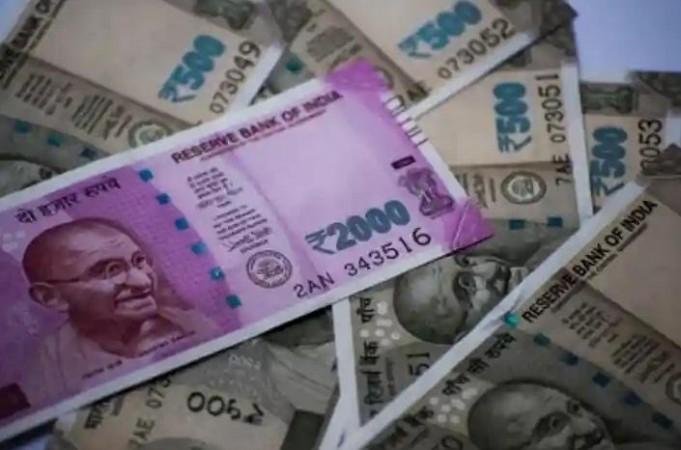
The Indian rupee concluded on Thursday with a decline following a volatile session marked by the Reserve Bank of India's unexpected intervention being overshadowed by tariff concerns and equity outflows.
Opening at 89.95, the rupee initially rose to 89.75 after the RBI's second consecutive day of intervention, as reported by bankers. Ultimately, it closed at 90.0175, lower than Wednesday's 89.88.
Observing the market dynamics, one trader from a foreign bank noted a noticeable influence of a significant player determining the currency's direction based on the RBI's involvement.
Earlier during the day, bankers expressed skepticism regarding the sustainability of the rupee's rebound from 90.30 to 89.75 and advised importers to hedge against the rupee's strengthening.
Anil Bhansali, the head of treasury at Finrex Treasury Advisors, highlighted the persistent pressure on the rupee, noting the impact of various factors like the proposed 500% tariffs by the U.S., equity market declines, and the RBI's short forward positions despite intermittent dollar selling by the central bank.
Importers engaging in forward positions for their imports caused rupee premiums to rise once again.
While equity markets experienced a fourth consecutive day of decline, the Nifty 50 Index dropped by 1% as foreign outflows increased due to escalating U.S. tariff concerns and selloffs in export-oriented companies.
U.S. President Donald Trump indicated that he would permit a bipartisan sanctions bill targeting nations engaging in business with Russia to progress in Congress, with a potential vote scheduled for the following week, shared Republican Senator Lindsey Graham on Wednesday.
The upcoming U.S. non-farm payrolls report, to be released after Indian market hours on Friday, is anticipated to provide fresh insights into the labor market and offer guidance on the Federal Reserve's policy direction for 2026.